你怎么也不给看着点呢 这把我东西都摔坏了
“Why didn't you keep an eye on them? They've broken my stuff.”
THE DIALOGUE REEL
怎么了
“What happened?”
你 怎么 也不 给 看着点 呢 这把我 东西 都 摔坏了
“Why didn't you keep an eye on them? They've broken my stuff.”
孩子嘛
“They're just kids.”
“You should have been watching; this mess is your fault!”
In close Chinese domestic circles, people directly air grievances over household oversights, often countered by leniency toward children.
LEARNING CHUNKS & PARTICLES
keep an eye on / watch over
A common spoken phrase used to tell someone to pay attention to or supervise something or someone.
smashed / broken by falling
A resultative complement construction used when fragile objects fall and break.
Emphasizes the speaker's grievance and reinforces the rhetorical question.
VOCABULARY & EXPRESSIONS
Parallel Spoken Cinema Scenes (语义近邻切片)

“- It doesn't look like it. - I told you.”

“I'm so sorry. Um, are you OK? I'm fine.”

“Even if I'm shattered,”
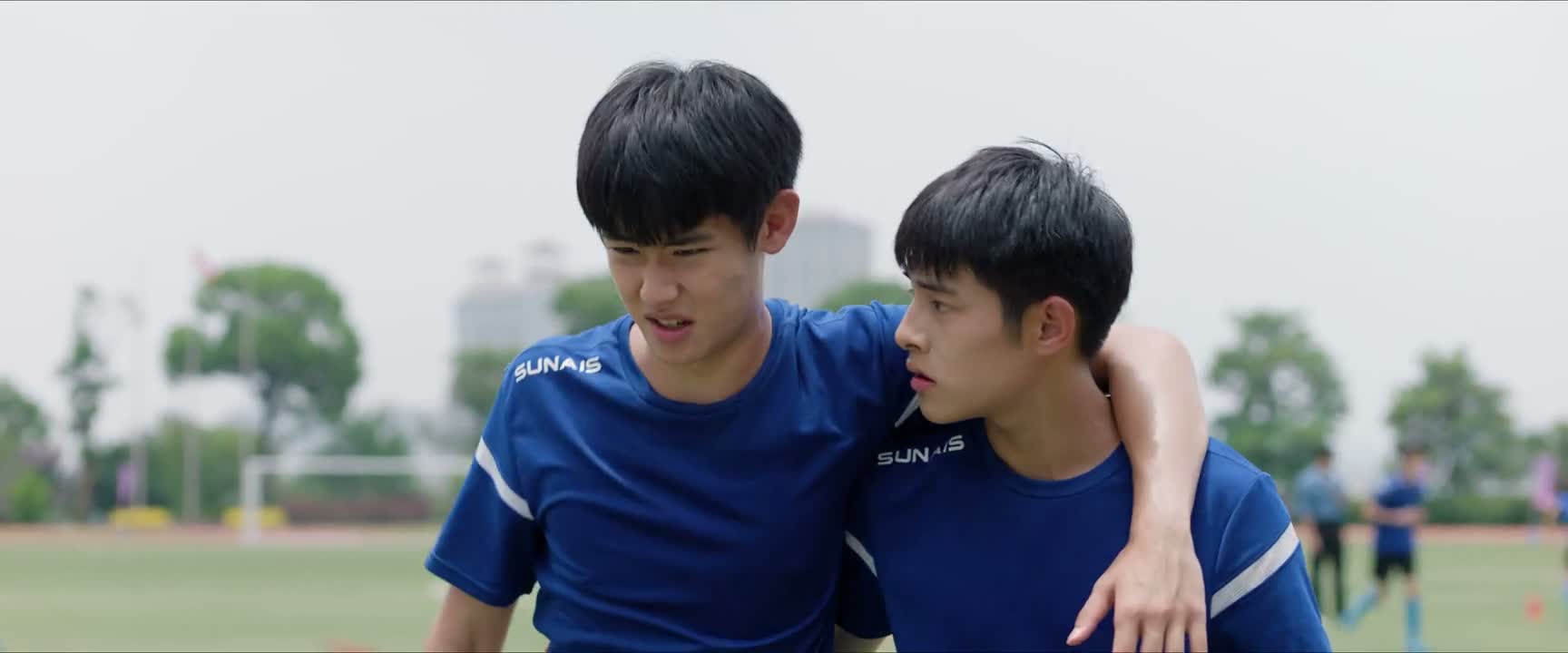
“If you get hurt, I can't afford to compensate you.”

“I'm not showing you. Don't make me get them myself.”

“No. I'm not looking. Put your clothes on already.”