我告诉你 我借给她钱 你有脸见你哥们儿吗
“Listen, I lent her money. Can you look in the face”
THE DIALOGUE REEL
“You have no shame. Listen to me. What did I do?”
我告诉你 我借给她钱 你 有脸 见你 哥们儿 吗
“Listen, I lent her money. Can you look in the face”
你啊 有脸
“of your buddy?”
“You ought to be utterly ashamed of yourself in front of your own friends for what you did.”
In Chinese culture, losing face in front of one's core brotherhood or peer group (哥们儿) is considered one of the ultimate social disgraces.
LEARNING CHUNKS & PARTICLES
let me tell you / listen here
Often used as an assertive preface when delivering a threat, warning, or harsh confrontation.
to have the nerve / to have the face to
Commonly used in rhetorical questions to emphasize that someone should feel profound shame.
Forms a rhetorical question that sharply challenges the listener's moral decency.
VOCABULARY & EXPRESSIONS
Parallel Spoken Cinema Scenes (语义近邻切片)

“I'm telling you, I won't pay you if I miss it.”

“Let me tell you, I like money,”

“Let me tell you, I never called him out on it because I wanted to save him some face.”
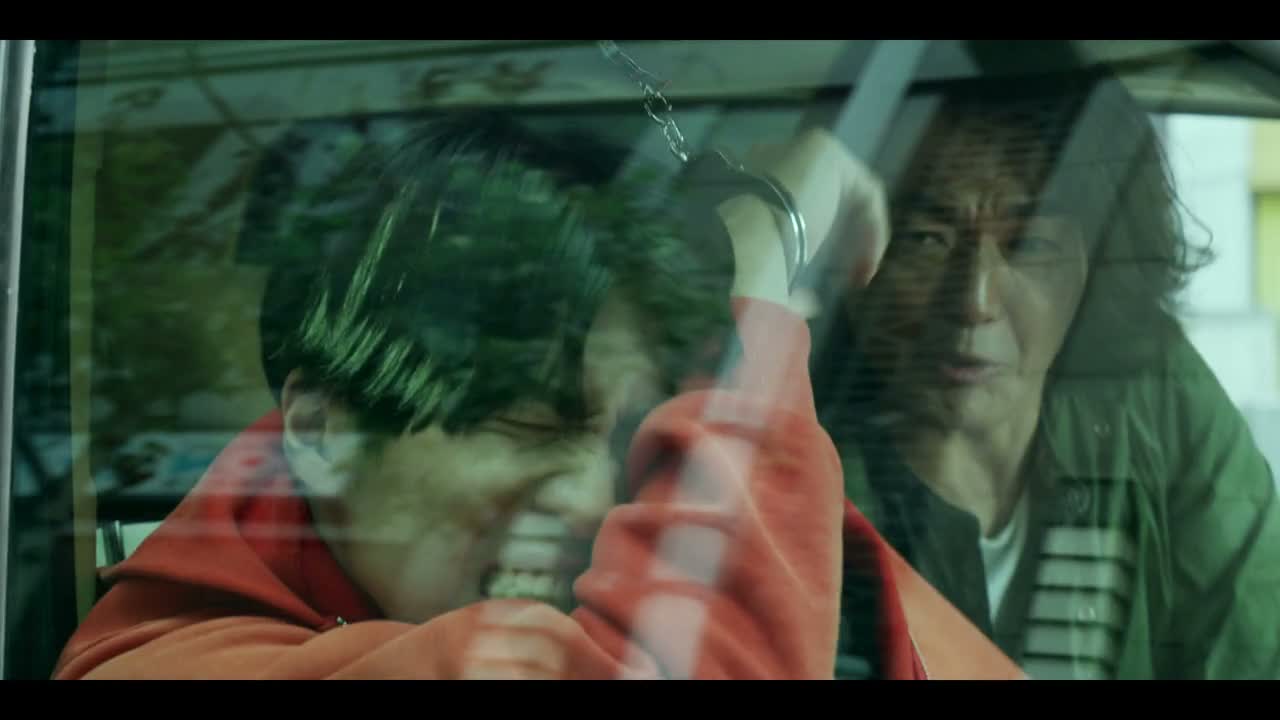
“I've got a prediction for you. You're going to jail!”

“Let me tell you, don't think I don't see through you.”

“I'm telling you, I've never lost a fight with a woman.”