那就好 来 我帮你
“I'm glad to hear that. Here, let me help you.”
THE DIALOGUE REEL
我没生气
“I'm not mad either.”
那就好 来 我帮你
“I'm glad to hear that. Here, let me help you.”
叶峰你干什么呢
“Ye Feng, what are you doing?”
“Since you claim you aren't mad, let's move past this and let me get close to you.”
In Chinese relationships, offering practical assistance is frequently preferred over prolonged verbal apologies to dissolve tension.
LEARNING CHUNKS & PARTICLES
That's good; that's a relief.
Commonly used to close an issue after receiving reassurance from the conversation partner.
Come, let me help you.
A warm, proactive spoken transition used to step in and offer physical assistance.
VOCABULARY & EXPRESSIONS
Parallel Spoken Cinema Scenes (语义近邻切片)

“That's good. I am truly happy for you.”

“Good.”

“That's good.”
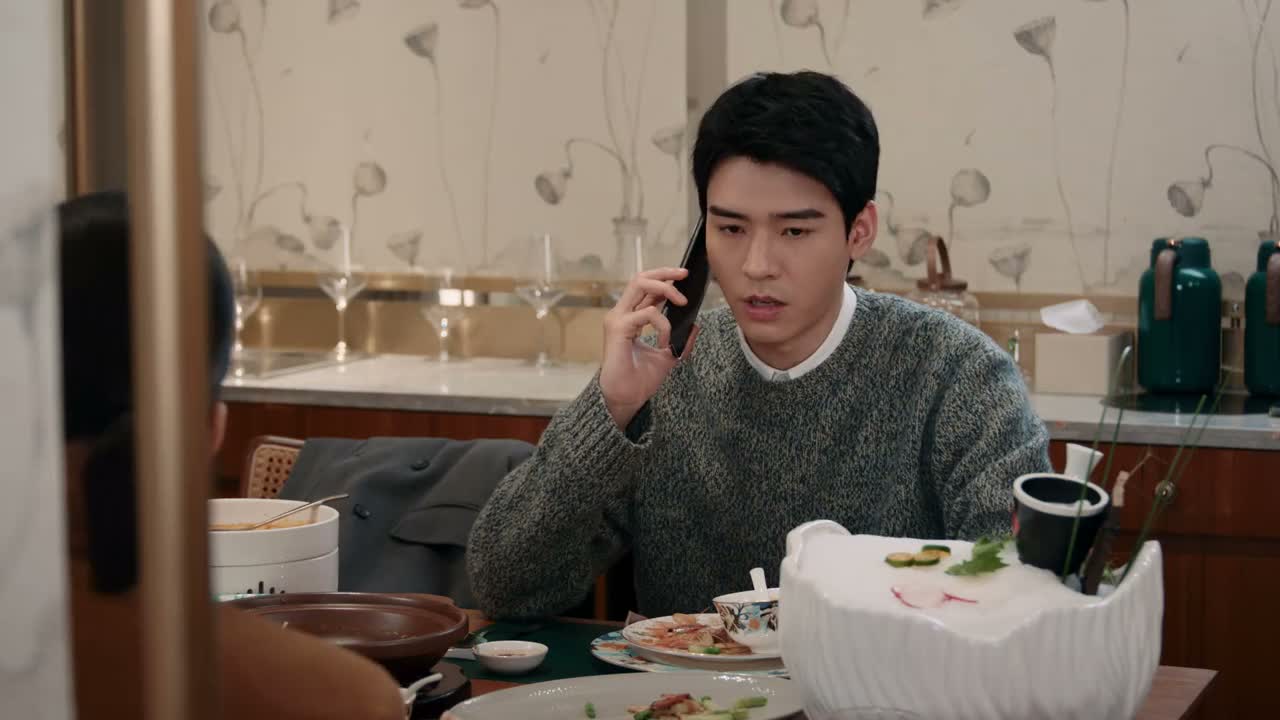
“That's good. Where are you?”
“That's good. Where are you?”

“That's good. The banquet is just getting started.”