她是不是不高兴了
“Was she upset?”
THE DIALOGUE REEL
许阿姨就说让我来吃顿饭 我不知道你女朋友也在
“Ms. Xu just told me to join her for lunch. I didn't know that your girlfriend would be here.”
她 是不是 不高兴了
“Was she upset?”
要不然 我去找她帮你 帮你跟她解释一下吧
“Why don't I seek her out and explain things on your behalf?”
“Did I cause trouble between you two, or is she just being unreasonable?”
In contemporary Chinese dating culture, asking sweetly about a partner's displeasure while offering to 'explain' often functions as subtle, manipulative positioning rather than genuine concern.
LEARNING CHUNKS & PARTICLES
is (someone) perhaps unhappy / upset?
A gentle, tentative way to ask if someone has taken offense or felt displeasure.
Indicates a newly emerged emotional change or state.
VOCABULARY & EXPRESSIONS
Parallel Spoken Cinema Scenes (语义近邻切片)
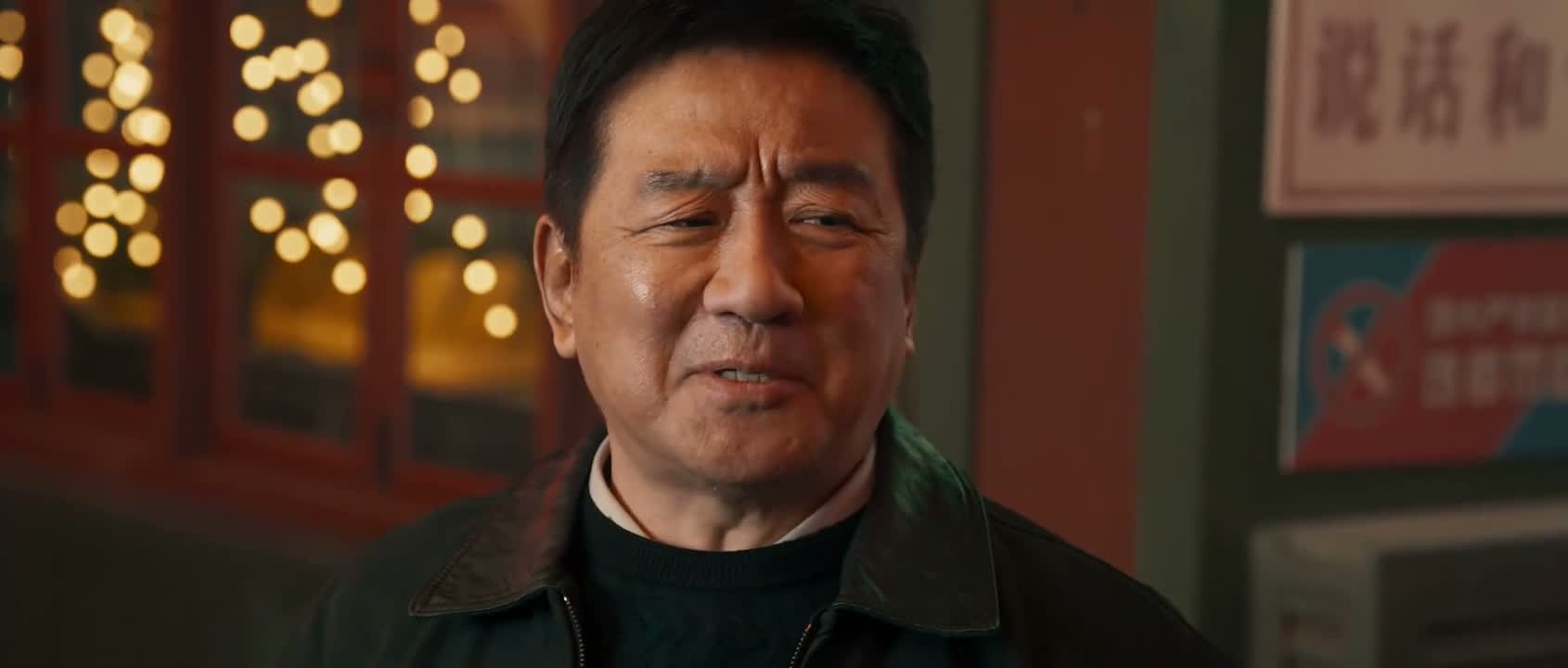
“Won't she be happy?”

“Are you upset?”
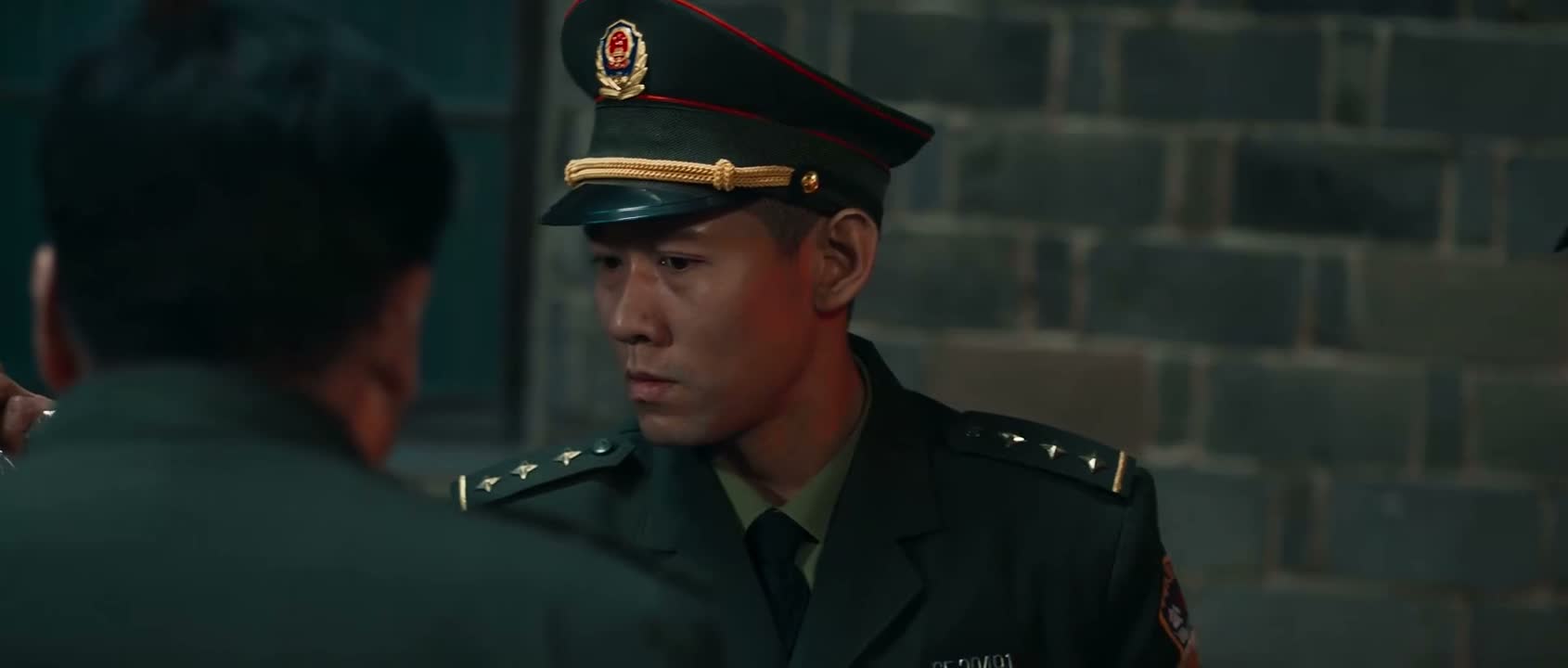
“She isn't upset, is she? No.”

“so how do you know it's unhappy?”

“She didn't sound very happy. Does she know about this too?”
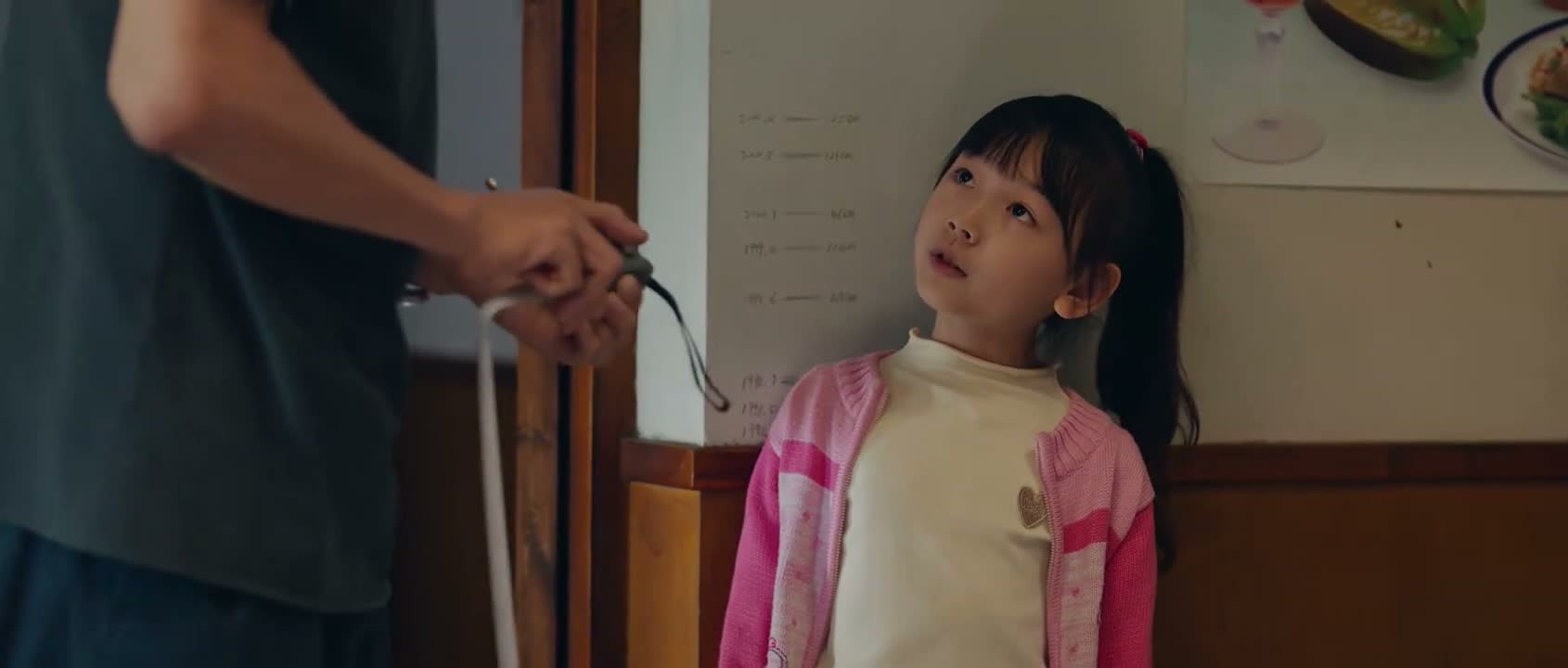
“Dad, Mom doesn't seem happy.”