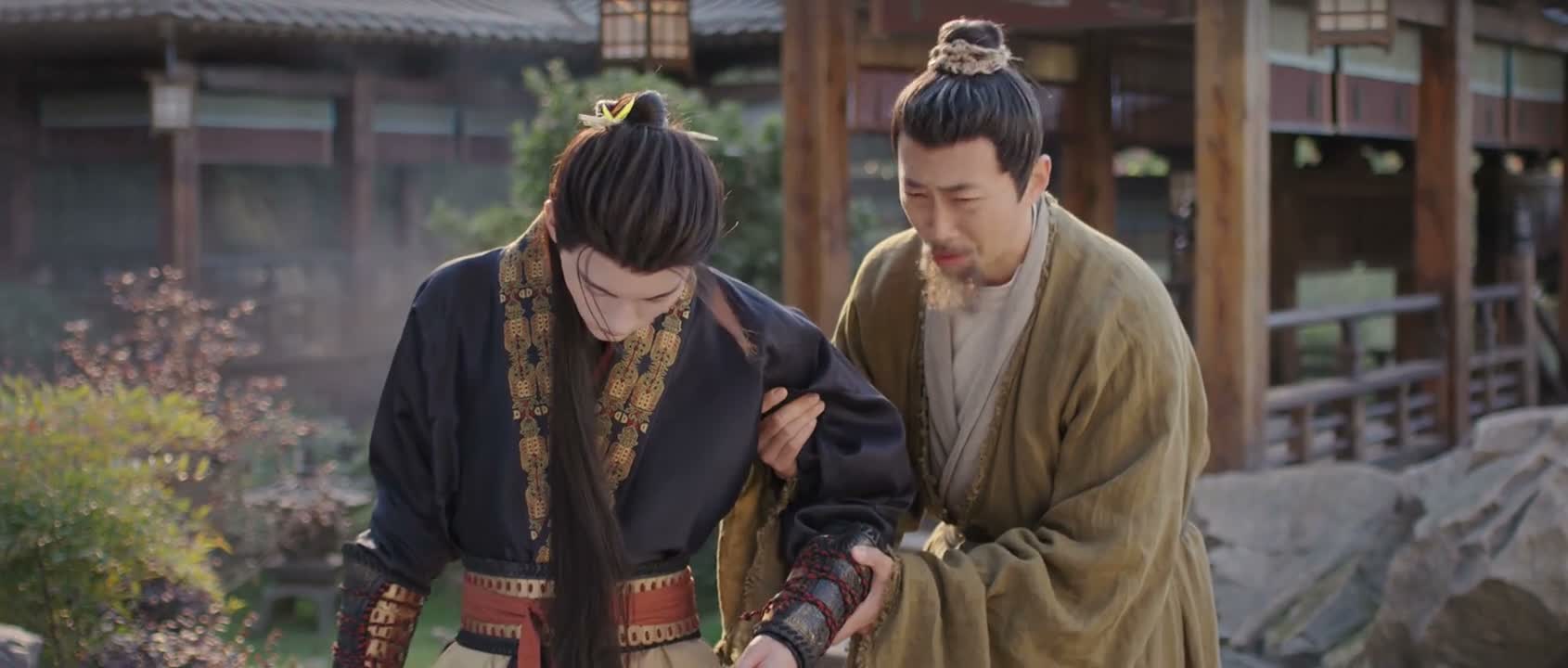
少君可是与我师妹发生口角
“Did you argue with Xiaohan?”
THE DIALOGUE REEL
我和星儿特意过来贺喜道谢
“Xing and I came to offer congratulations and thanks.”
少君 可是 与我 师妹 发生口角
“Did you argue with Xiaohan?”
我想给昭昭诊脉验身
“I wanted to take Zhao's pulse and examine her,”
“Did you two just fight? Tell me what happened.”
Senior disciples bear an obligation to defend their younger sect members while observing diplomatic propriety toward external noble lords.
LEARNING CHUNKS & PARTICLES
could it be that, whether
Used in formal or period dialogue as a rhetorical question marker equivalent to '是不是' or '莫非'.
have a verbal dispute, get into an argument
A formal phrase for describing squabbles or verbal altercations; less aggressive than '吵架'.
VOCABULARY & EXPRESSIONS
Parallel Spoken Cinema Scenes (语义近邻切片)
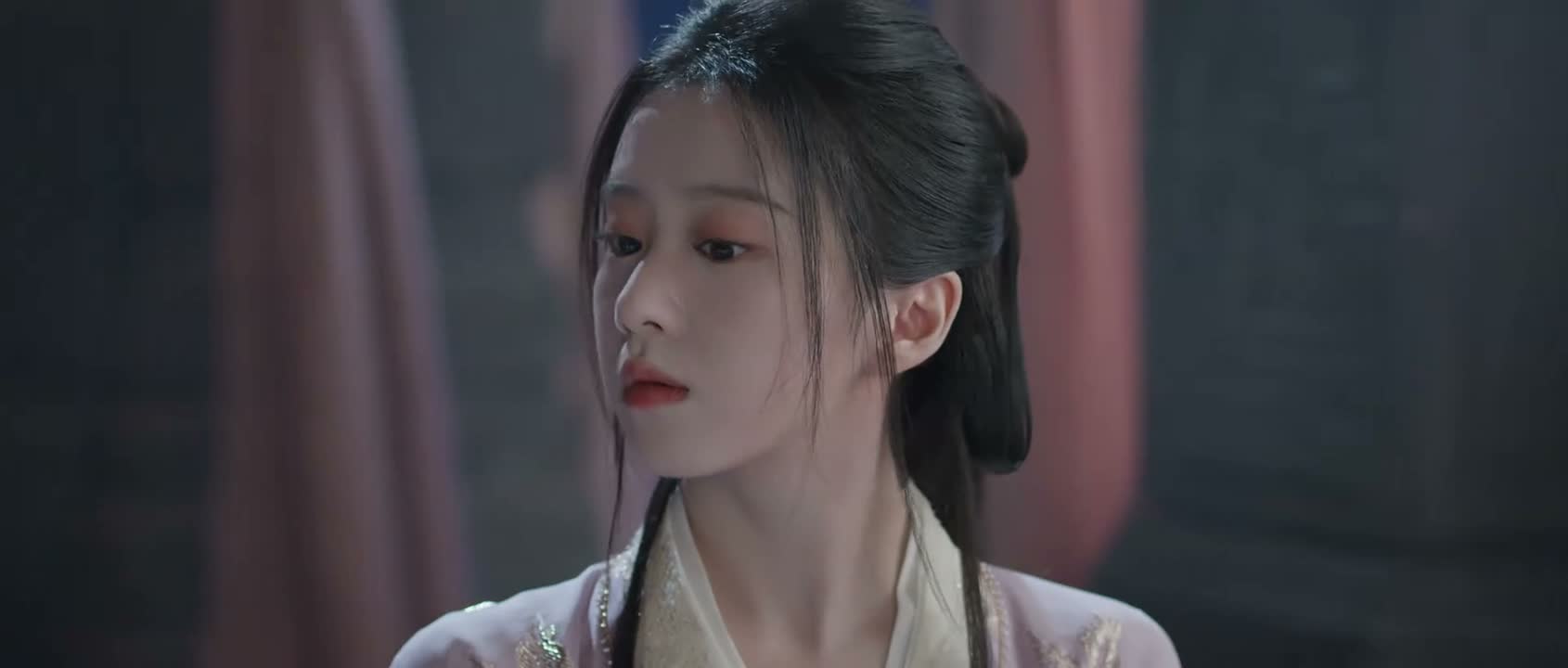
“The Young Master is truly thoughtful.”
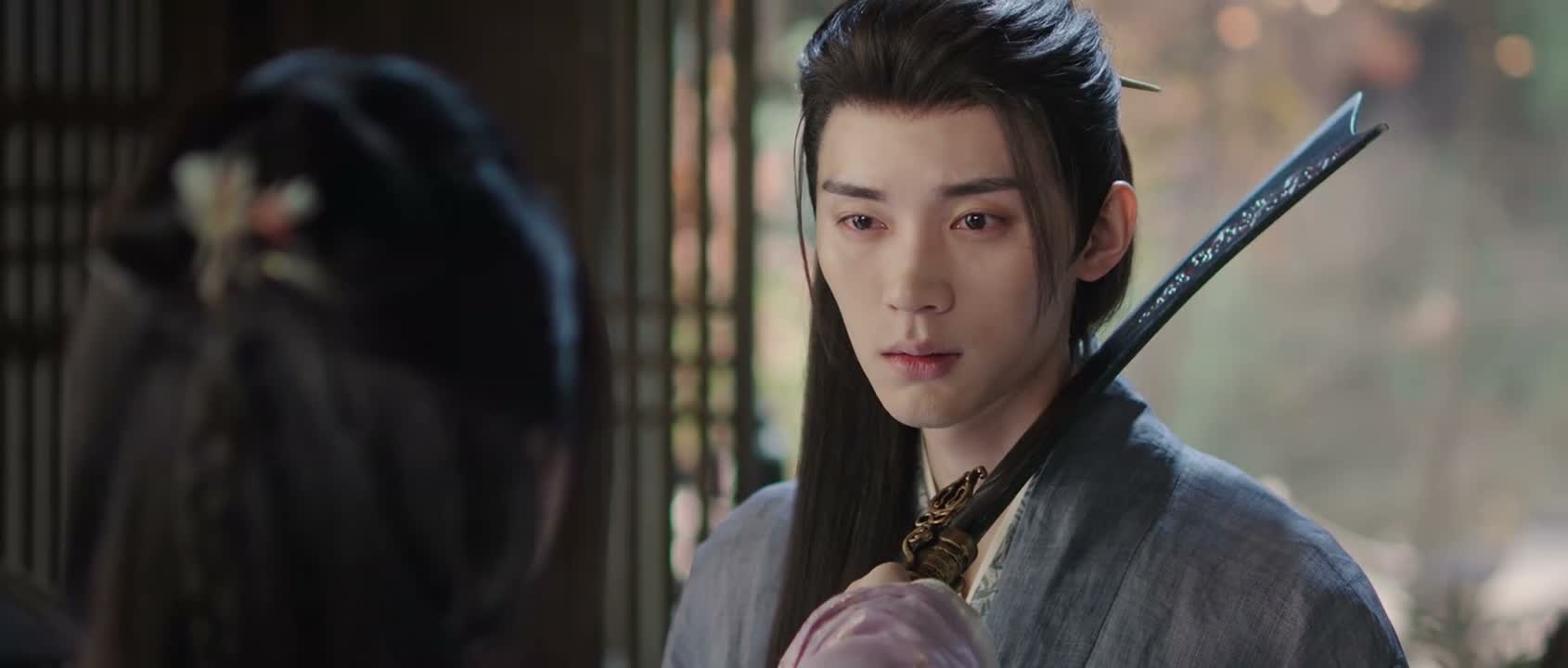
“If you insist on keeping me...”
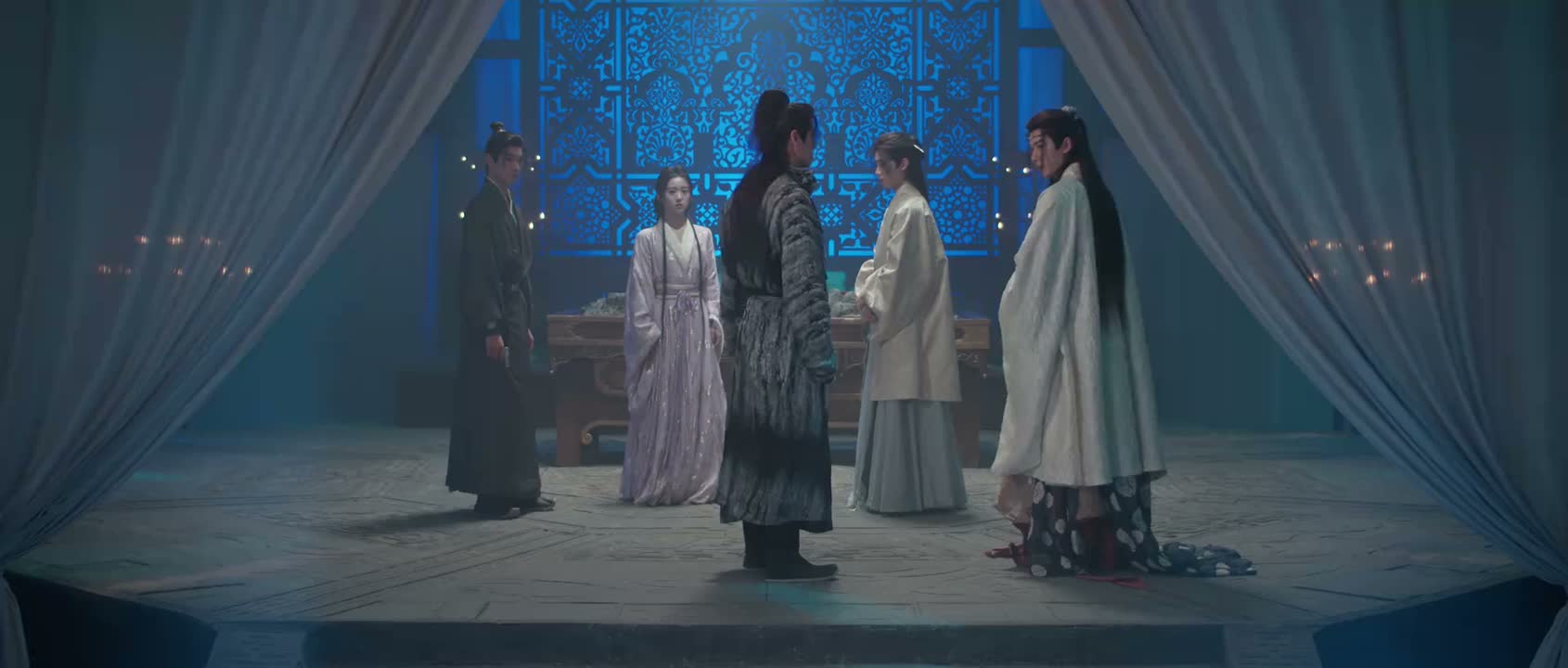
“Mr. Mu is still my child, after all.”
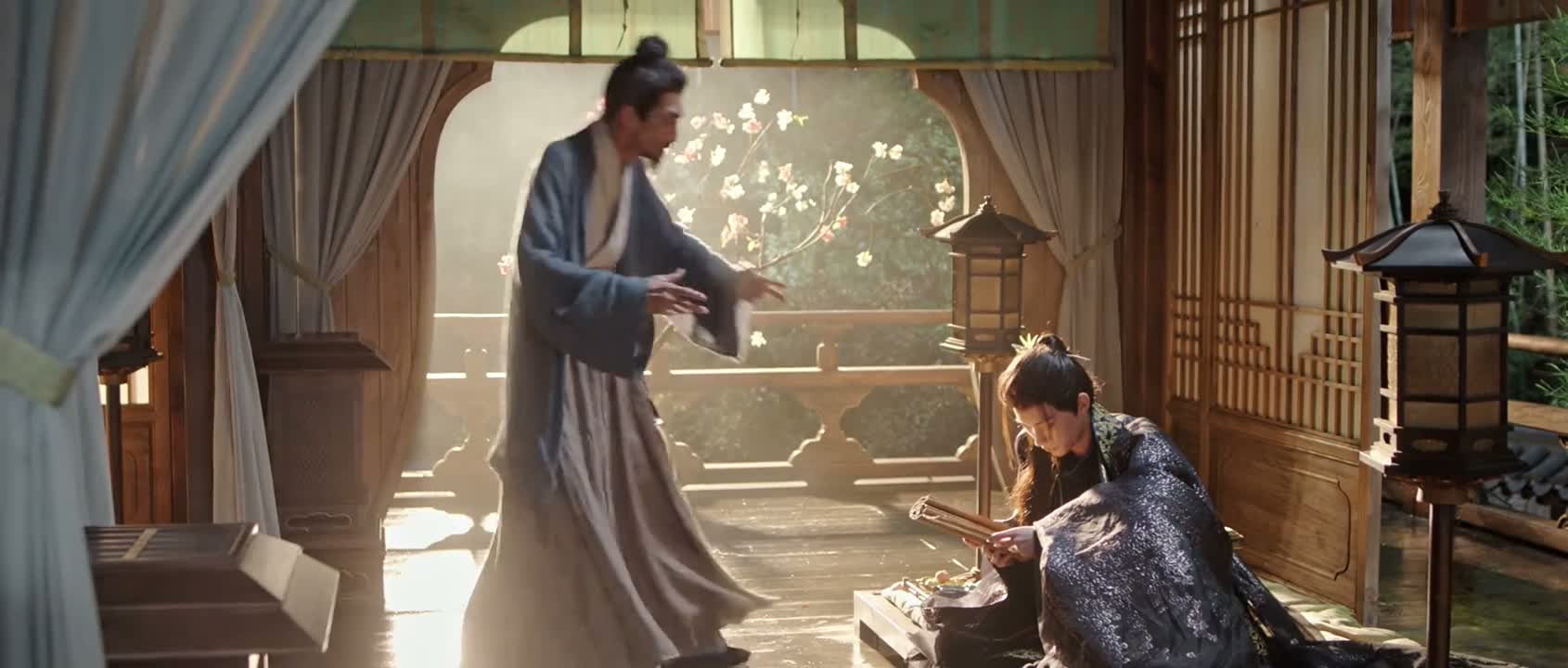
“The matter between Mr. Mu and Miss Cai”

“If you like it,”
“but you insist...”