难道你就是那个 只要爱情不要面包的人吗
“Are you the type who wants love but not bread?”
THE DIALOGUE REEL
你在说我
“You're accusing me?”
难道 你就是 那个 只要爱情不要面包 的人 吗
“Are you the type who wants love but not bread?”
年轻的时候
“You wanted money when you were young.”
“Don't kid yourself; nobody can survive on love alone without money.”
Modern Chinese relationship discourse often contrasts pure romantic feelings ('love') with practical financial stability ('bread').
LEARNING CHUNKS & PARTICLES
could it be that; do you mean to say
Used at the beginning of a rhetorical question to express strong disbelief or doubt.
valuing love over material/financial security
A common modern Chinese idiom reflecting the debate between emotional connection and economic necessity in dating.
Marks a yes-no question, reinforcing the rhetorical edge when paired with '难道'.
VOCABULARY & EXPRESSIONS
Parallel Spoken Cinema Scenes (语义近邻切片)

“Take a loaf of bread. No, thank you.”
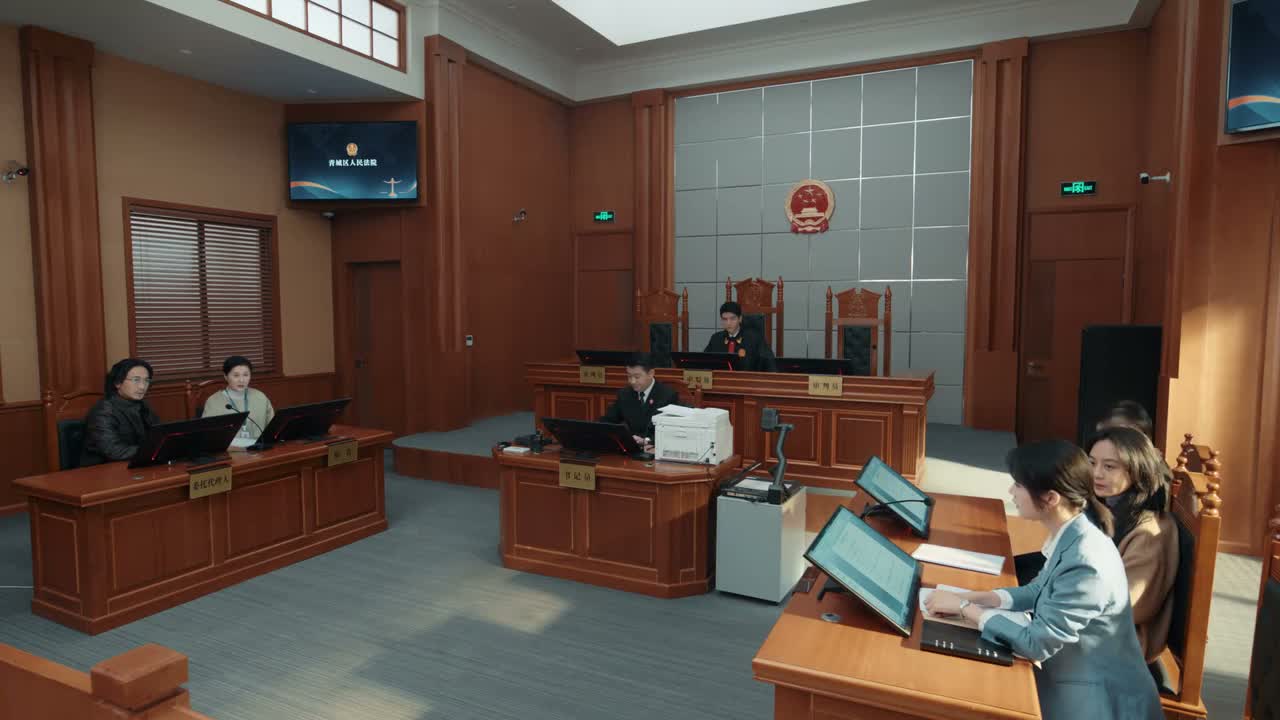
“Let's put the essence of love”

“why do you always equate love with money?”

“Your love is nothing special.”

“I'm the one who chose to pursue love.”

“Don't bet your whole life on something like love.”