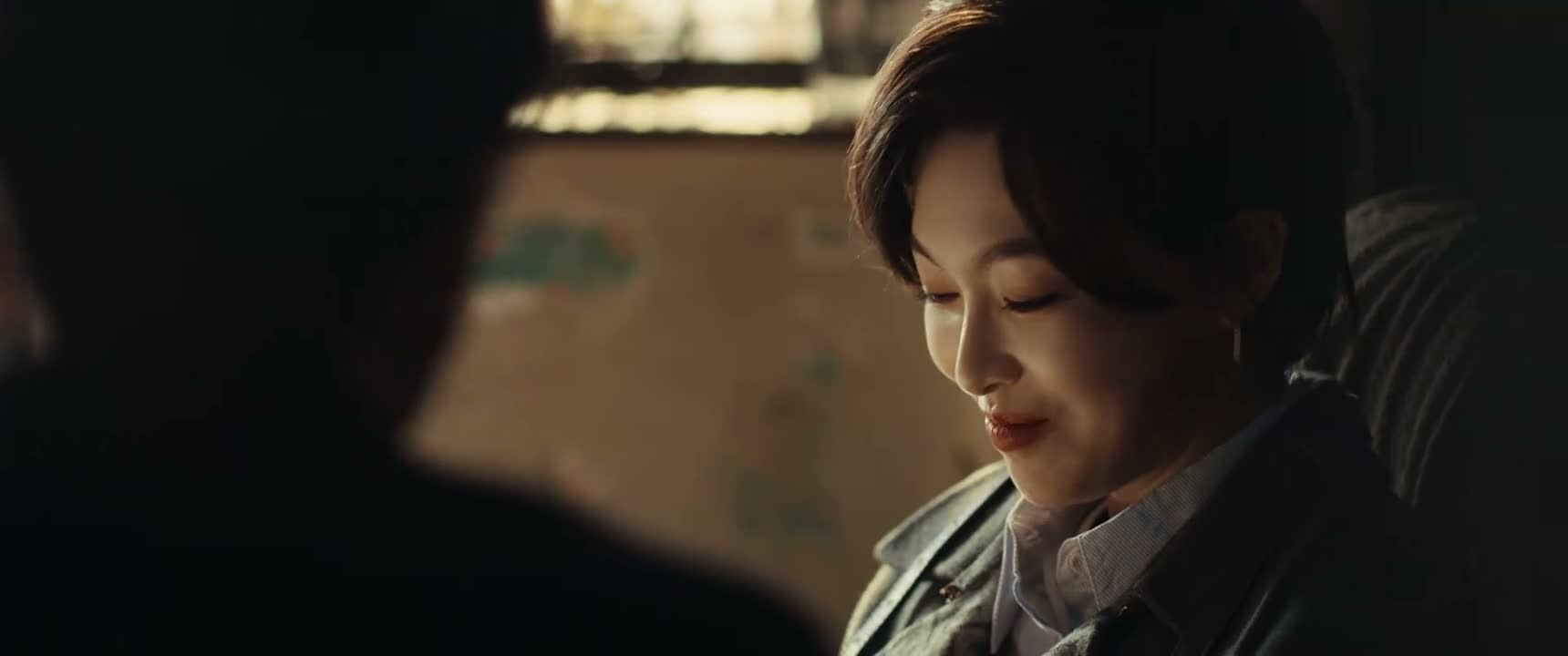
孩子们都长大了 你就不要在这里搞封建
“The kids are grown up. Stop doing this old-fashioned”
THE DIALOGUE REEL
夏钢同志啊
“Xia Gang.”
孩子们都 长大了 你就 不要 在这 里 搞封建
“The kids are grown up. Stop doing this old-fashioned”
“arranged marriage thing. What?”
“Stop being a controlling parent and trying to force our kids into relationships they do not want!”
In modern China, labeling a parent's matchmaking efforts as 'feudal' (封建) or 'arranged marriage' (包办婚姻) is a common rhetorical trope used to push back against heavy-handed parental involvement in adult children's dating lives.
LEARNING CHUNKS & PARTICLES
grown up; reached adulthood
Frequently used by parents or children to argue that the children are now old enough to make their own decisions.
to act feudal; to be backward and authoritarian
Used figuratively in modern spoken Chinese to criticize someone (often parents) for having outdated, patriarchal, or overly strict attitudes.
Indicates a completed state change (the children are now adults).
VOCABULARY & EXPRESSIONS
Parallel Spoken Cinema Scenes (语义近邻切片)

“They've really grown up.”

“She's grown up. She can make decisions.”

“You're all grown up. You can make your own choices.”

“Kids these days are really something.”

“The children have finally accepted you.”
“Now that we're older, we know.”