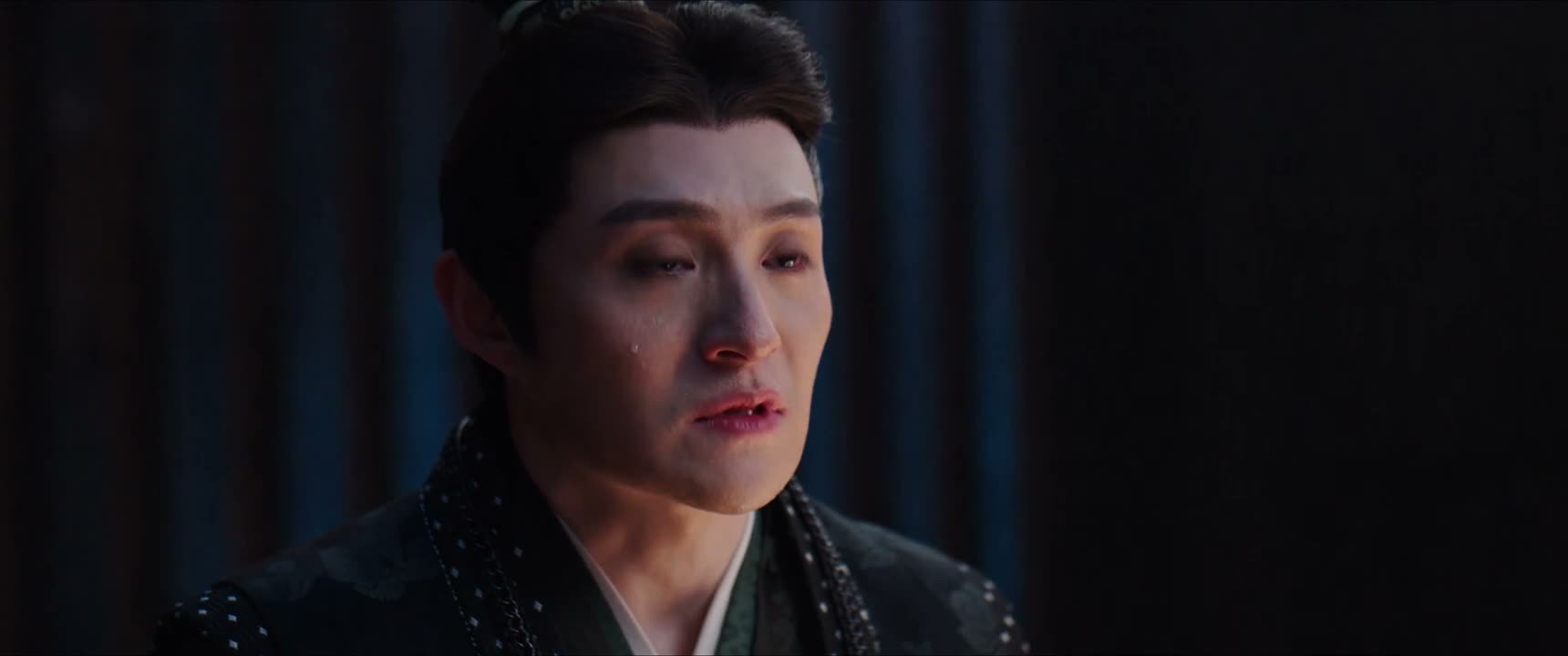
你当真不觉得愧悔吗 我问心无愧
“Do you truly feel no shame? I have a clear conscience!”
THE DIALOGUE REEL
如今却反过来指责 沈公是谄谀之辈
“and now you just turn around and call Lord Shen a sycophant.”
你 当真 不觉得 愧悔 吗 我 问心无愧
“Do you truly feel no shame? I have a clear conscience!”
沈毅自诩是为了朝堂安稳 无非是想掩盖自己懦弱的
“Shen Yi claimed he did it for the stability of the court, but that was just an excuse”
“You should be ashamed of what you did! / I did what I had to do and I regret nothing.”
In traditional Chinese political culture, officials fiercely debated loyalty and moral uprightness, where maintaining an unblemished conscience was the ultimate justification for one's actions.
LEARNING CHUNKS & PARTICLES
really; truly; indeed
Often used in formal or literary contexts to press someone on whether they genuinely mean what they say.
to have a clear conscience; to feel no guilt upon self-examination
A very common four-character idiom used in both modern and historical Chinese when defending one's moral integrity.
Turns the statement into a pointed rhetorical question, intensifying the moral interrogation.
VOCABULARY & EXPRESSIONS
Parallel Spoken Cinema Scenes (语义近邻切片)

“I have a clear conscience. Of course I dare.”

“what if he really has nothing to be ashamed of?”

“Do you truly feel no shame?”

“You truly are someone your Third Uncle brought home himself.”
“I have never tried to hurt you.”

“I'm truly innocent. I know you've been falsely accused.”