你当真无愧吗
“Do you truly feel no shame?”
THE DIALOGUE REEL
你扪心自问
“Ask yourself.”
你 当真 无愧 吗
“Do you truly feel no shame?”
景东叔
“Uncle Jingdong,”
“You know very well you did something shameful, so stop pretending to be innocent.”
Appealing to personal conscience (kuijiu) is a profound moral weapon in Confucian ethics, urging someone to confront inner shame.
LEARNING CHUNKS & PARTICLES
truly / genuinely
Often used in rhetorical questions to emphasize disbelief or challenge an assumption.
to have a clear conscience / guiltless
A formal and solemn moral descriptor frequently paired with asking if one feels ashamed.
Transforms the statement into a piercing rhetorical question demanding self-reflection.
VOCABULARY & EXPRESSIONS
Parallel Spoken Cinema Scenes (语义近邻切片)

“I have a clear conscience. Of course I dare.”
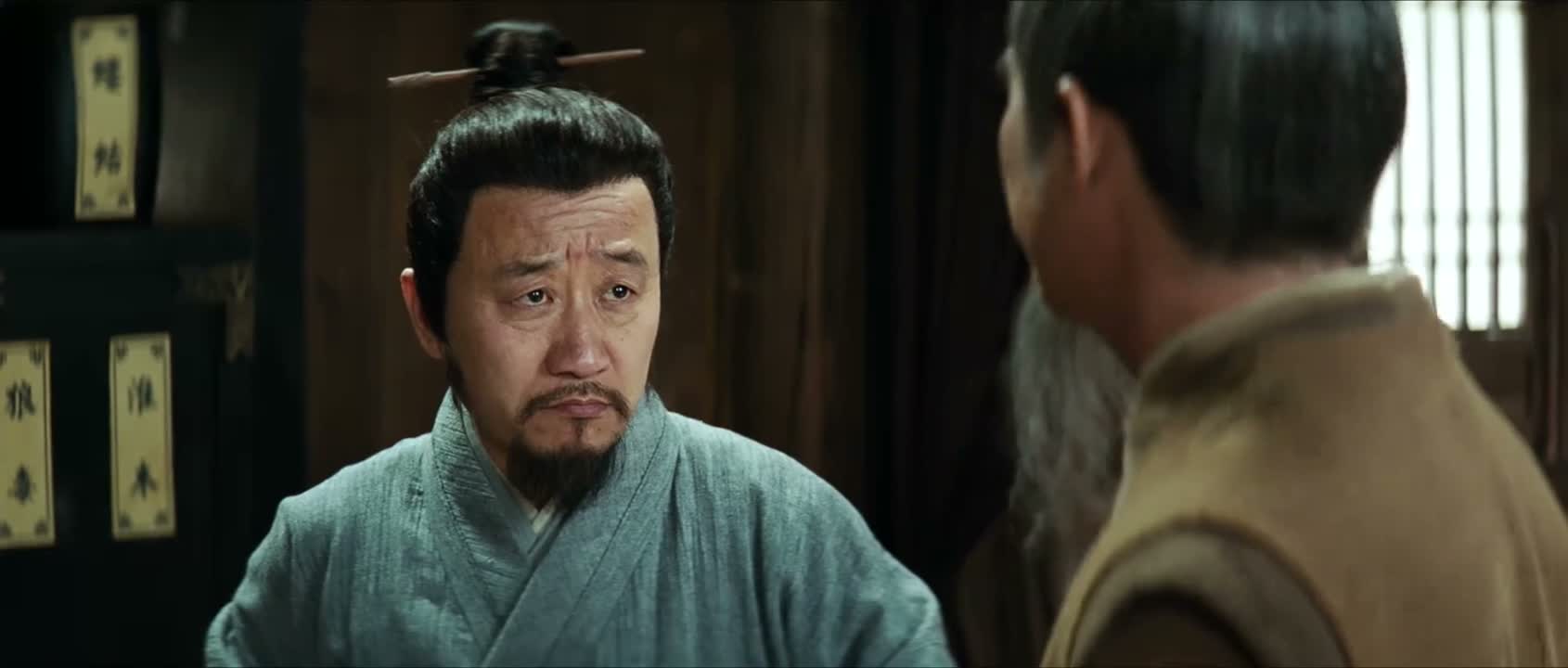
“but my conscience is clear.”
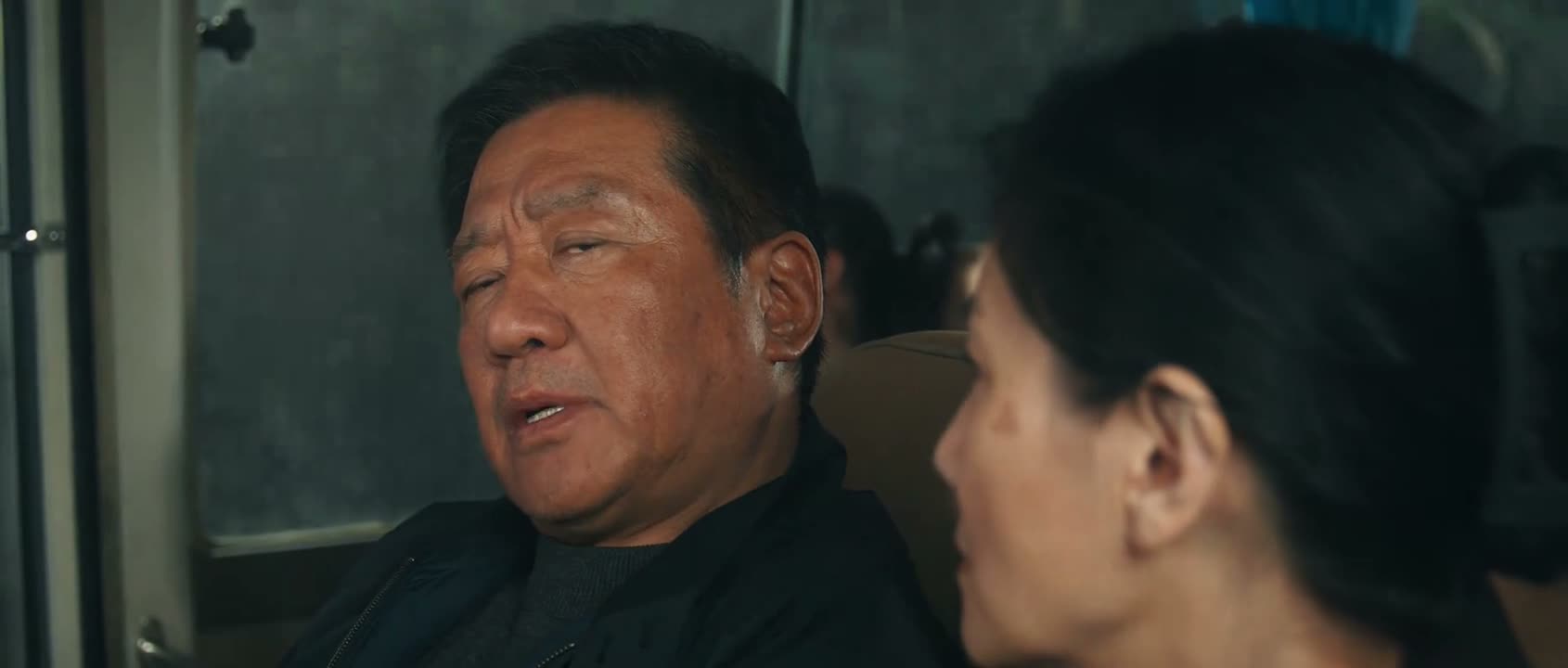
“As long as your conscience is clear,”

“You deserve it.”

“what if he really has nothing to be ashamed of?”

“your conscience is clear?”

“Do you truly feel no shame? I have a clear conscience!”

“You truly are someone your Third Uncle brought home himself.”

“If she's really got nothing to hide,”

“If you have a clear conscience,”

“As far as you and I are concerned, I can say I have a clear conscience.”

“I have never tried to hurt you.”
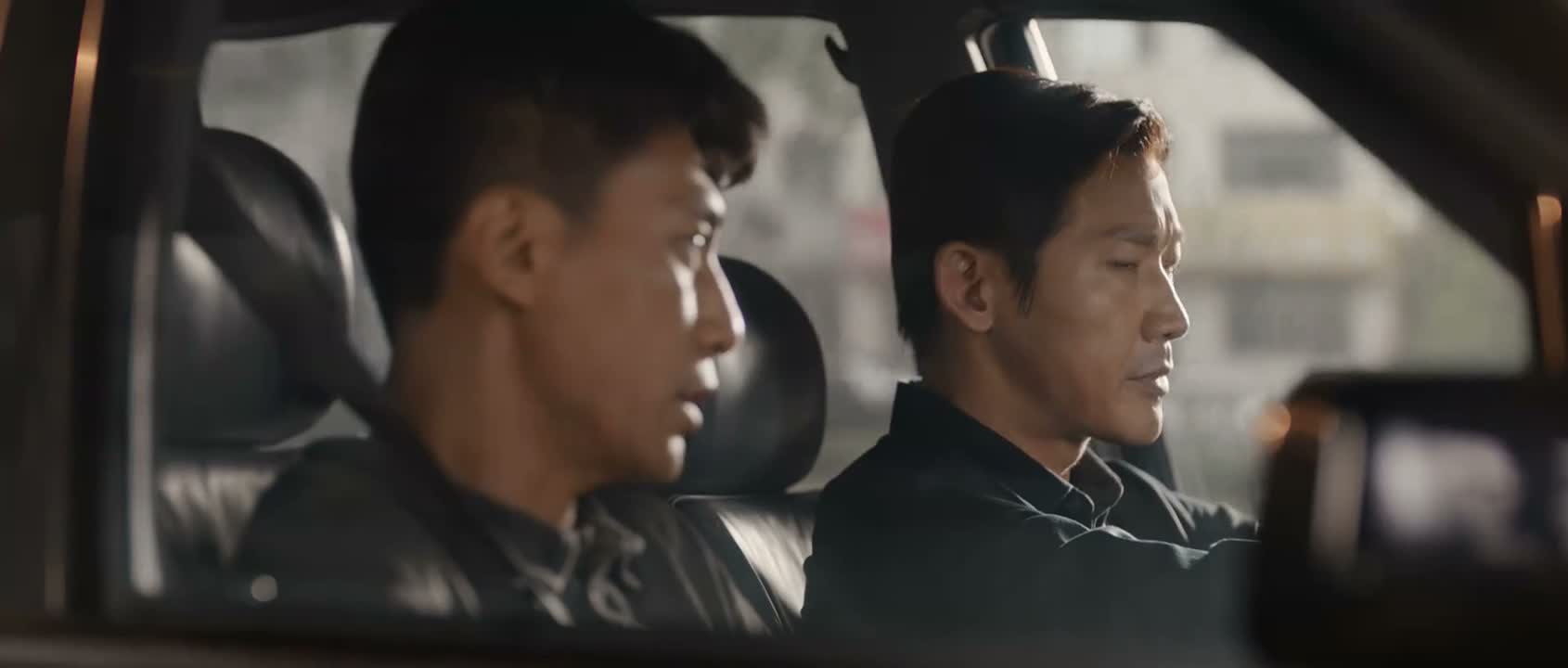
“But do you have a clear conscience?”