词背得倒是挺熟 但说出来太生硬了
“You've rehearsed your lines well, but when you say them, they're stiff.”
THE DIALOGUE REEL
擦了得有一刻 没听到要问话呀
“It took a full ke. I never heard any summons.”
词背得 倒是 挺熟 但 说出来 太 生硬 了
“You've rehearsed your lines well, but when you say them, they're stiff.”
告诉你一个我最近新学的审讯技巧 县主问你
“Let me teach you a questioning trick I just learned. When Her Ladyship asks you,”
“I know you are lying and someone coached you on what to say.”
LEARNING CHUNKS & PARTICLES
memorized quite well (contrary to expectations or as an ironic concession)
Use '倒是' (dàoshì) to give a backhanded compliment before introducing a 'but' (但) to criticize the actual delivery or substance.
stiff; unnatural; rigid
Commonly used to describe language, acting, excuses, or attitudes that lack natural flow and feel forced.
Used at the end of the adjective phrase '太生硬了' to express an evaluative judgment and emphasis ('too stiff').
VOCABULARY & EXPRESSIONS
Parallel Spoken Cinema Scenes (语义近邻切片)

“You're good at remembering your lines, so it's just a piece of cake for you.”

“That's how you memorize poems? How did you graduate?”
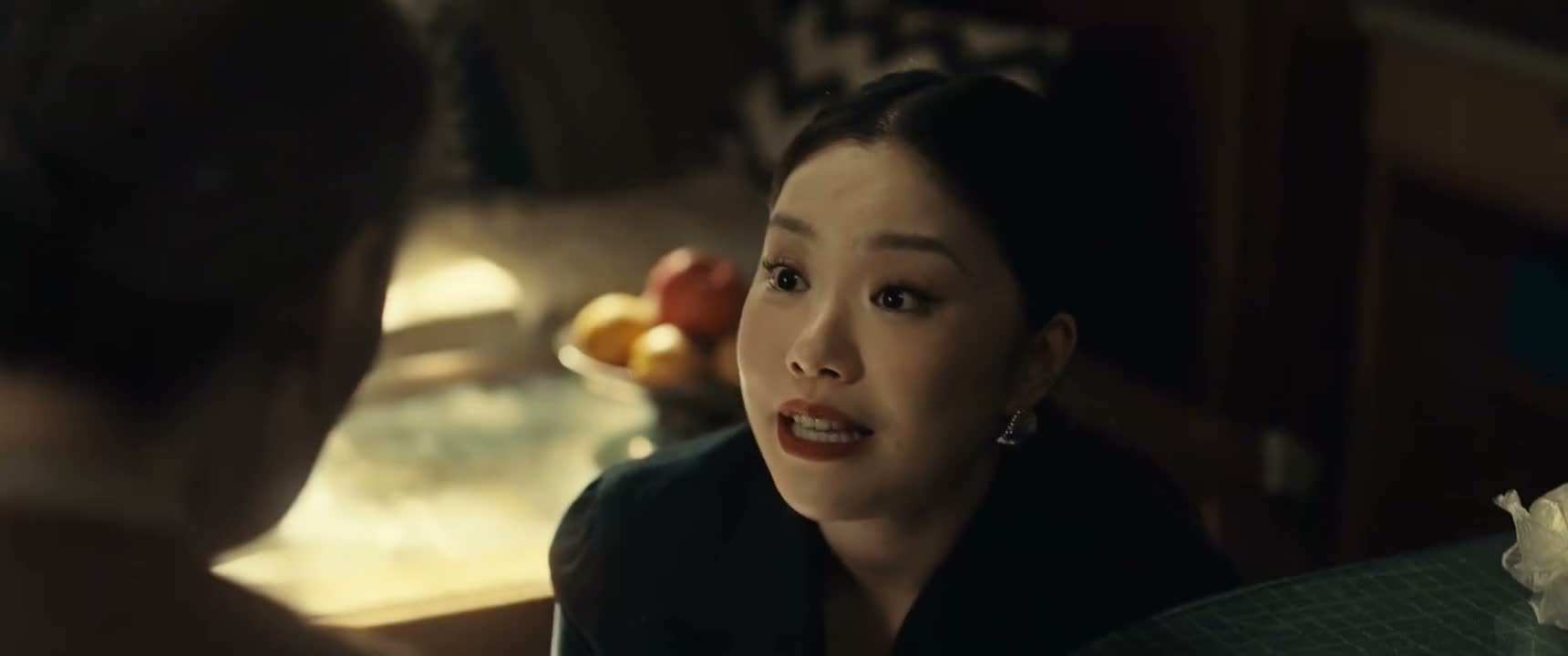
“it's all right. I have checked and memorized everything.”

“I know all this by heart already.”

“This sentence is too long. Hard to read.”

“may sound easy to say,”