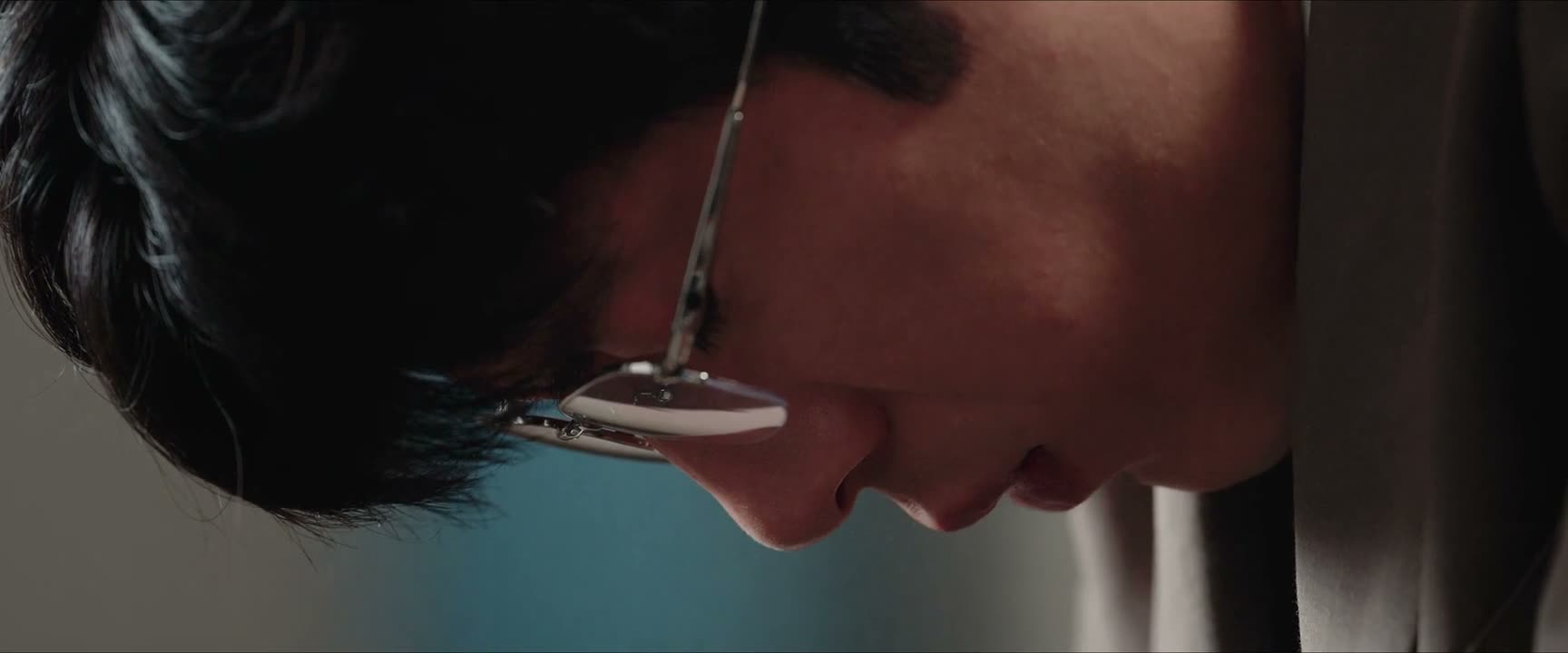
下次再做亏心事被抓 记得别犯蠢
“Next time you're caught doing something shady, don't be so obvious about it.”
THE DIALOGUE REEL
跟太史丞学着些
“Learn from Mr. Xiao.”
下次再 做亏心事 被抓 记得 别犯蠢
“Next time you're caught doing something shady, don't be so obvious about it.”
空口无凭
“Words aren't proof!”
“You are clumsy and pathetic; I easily saw through your scheme.”
The concept of 'kui xin' reflects traditional Chinese moral conscience, where wrongdoing is seen as fundamentally damaging one's internal balance and exposed by one's own clumsy guilt.
LEARNING CHUNKS & PARTICLES
to do something against one's conscience; to commit a guilty deed
A very common idiomatic phrase used to describe secretly doing wrongful or immoral acts.
to act foolishly; to make a stupid mistake
Colloquial and slightly derogatory term often used when teasing someone or mocking an adversary's blunder.
VOCABULARY & EXPRESSIONS
Parallel Spoken Cinema Scenes (语义近邻切片)

“I didn't do anything wrong.”

“Besides, if you have done nothing wrong, what are you afraid of?”

“make any more mistakes. Just go.”

“What were you afraid of if you didn't do anything?”

“Lest people misunderstand and think we have some shameful business going on.”
“I think I did something wrong again.”