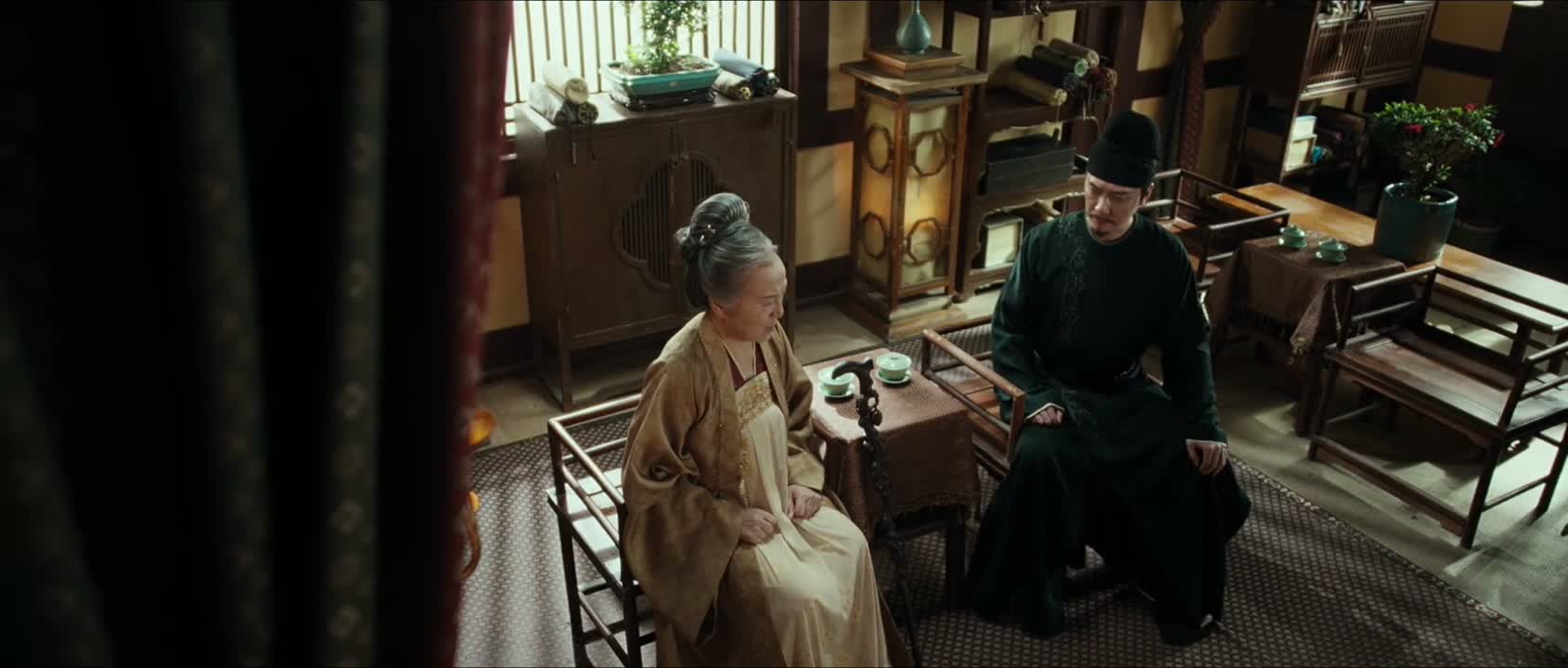
就连她身边一个忠心护主的丫鬟 都不肯放过吗
“but you also harmed a loyal maid who protected my mother?”
THE DIALOGUE REEL
“You not only caused my mother's death,”
就连 她身边一个 忠心 护主的丫鬟 都 不肯放过 吗
“but you also harmed a loyal maid who protected my mother?”
荒谬 你娘徐氏
“Ridiculous! Your mother Xu Wanzhou returned to Lishan Mountain with you.”
“You are utterly monstrous for persecuting even a powerless, loyal servant.”
In historical Chinese society, a servant who remained devoted to their master to the point of sacrifice represented high virtue, making cruelty toward them exceptionally reprehensible.
LEARNING CHUNKS & PARTICLES
loyally protecting one's master
A common historical idiom praised in servants or subordinates who risk themselves for their superiors.
refusing to let off or spare someone
Used to describe someone who relentlessly pursues, torments, or prosecutes another without mercy.
Forms a rhetorical question loaded with outrage, emphasizing moral condemnation.
VOCABULARY & EXPRESSIONS
Parallel Spoken Cinema Scenes (语义近邻切片)

“This maid is quite pretty.”

“and was like sisters with her personal maid.”

“She brought a guard, so shouldn't you bring one too?”

“I'll definitely protect her with my life.”

“She's my personal maid. What's wrong?”
“The maid around me,”