行 你不说我就先走了
“Fine. If you won't say it, I'm leaving.”
THE DIALOGUE REEL
“Are you not used to living at her place? No. Then, what could it be?”
行 你不说 我 就先走了
“Fine. If you won't say it, I'm leaving.”
何韩老师
“Mr. He Han,”
“Stop beating around the bush; tell me what's bothering you now, or I'm walking away.”
When someone is being hesitant or evasive in Chinese communication, saying 'I'm leaving then' is a common pragmatic tactic to break the stalemate and prompt the other person to call them back and reveal the truth.
LEARNING CHUNKS & PARTICLES
fine / alright / okay
At the start of a turn, it often signals reluctant acceptance or a transition to wrapping up a conversation.
I'll head out first / I'm leaving now
The standard, natural way to excuse oneself and leave a gathering or conversation before others.
Signals an imminent change of state (the act of departing right away).
VOCABULARY & EXPRESSIONS
Parallel Spoken Cinema Scenes (语义近邻切片)
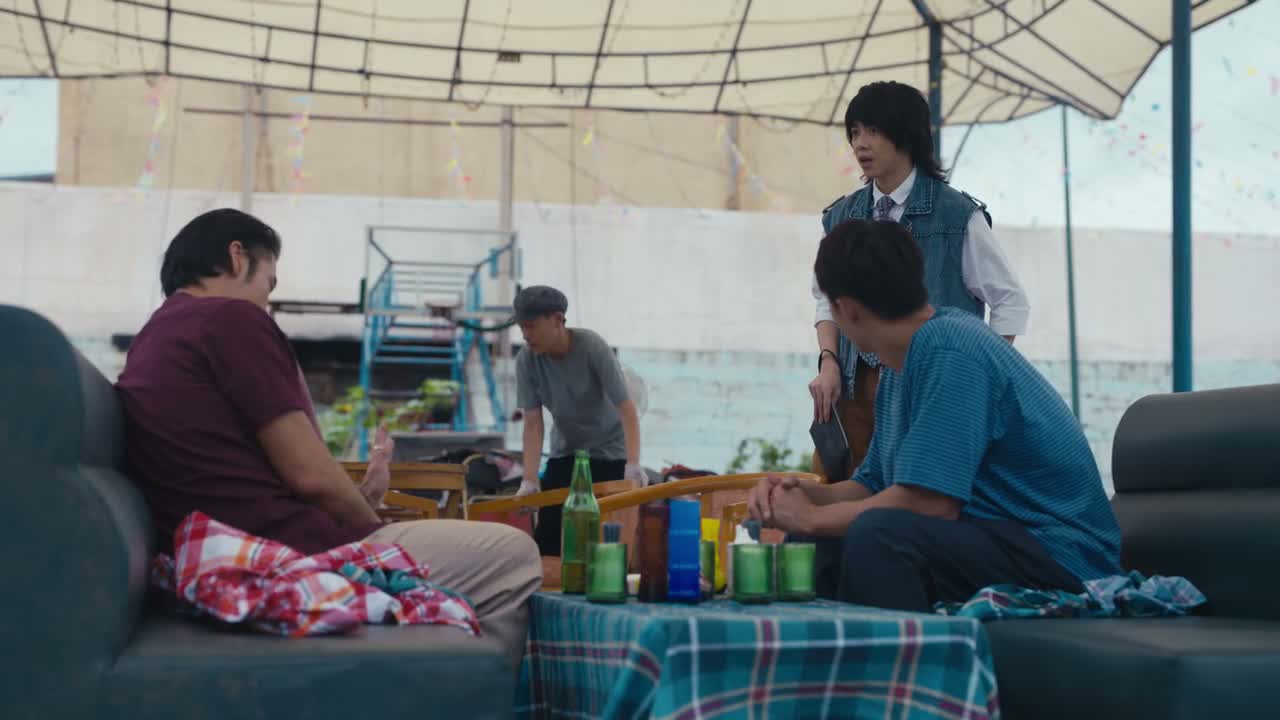
“Okay, okay. Just save it for a second.”
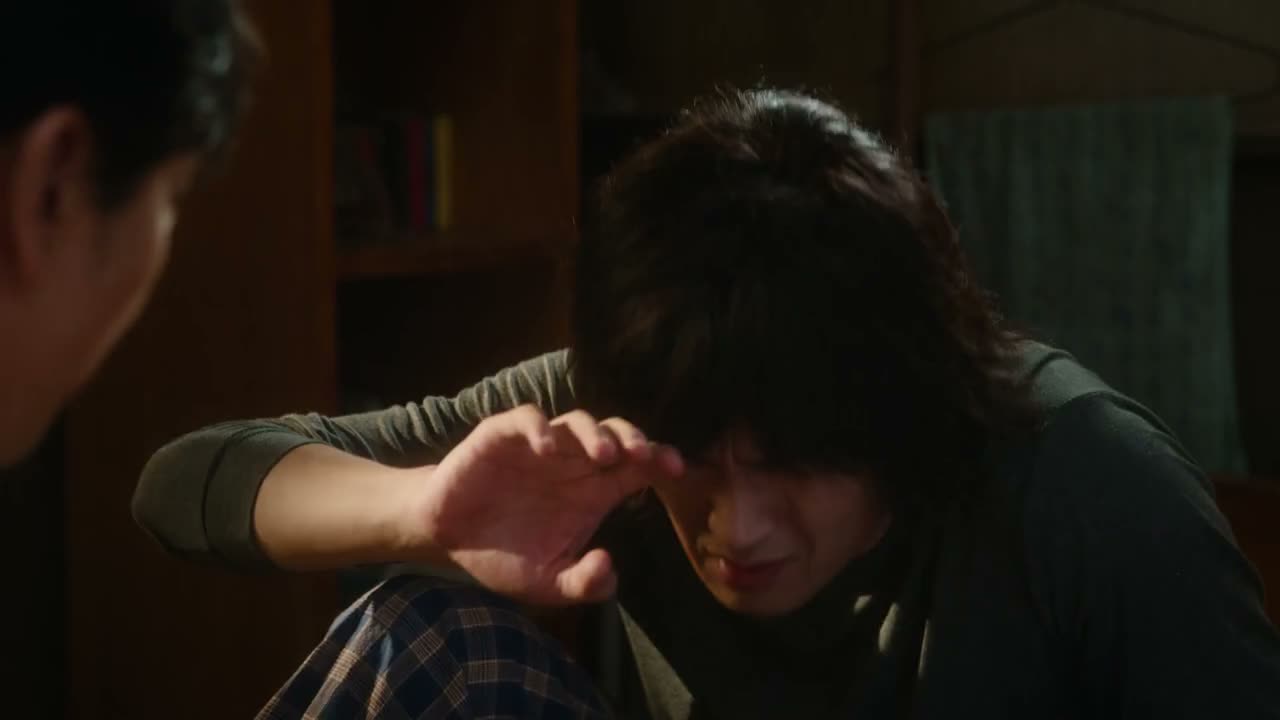
“Alright, stop it.”

“Alright, I have to go now.”

“I'll get going first.”

“Alright, stop talking.”

“You left without a word.”