就先走了
jiù xiān zǒu leCommon spoken expression used by native Chinese speakers in daily life.
[Scene: 职场工作]
(6 clips) 00:03
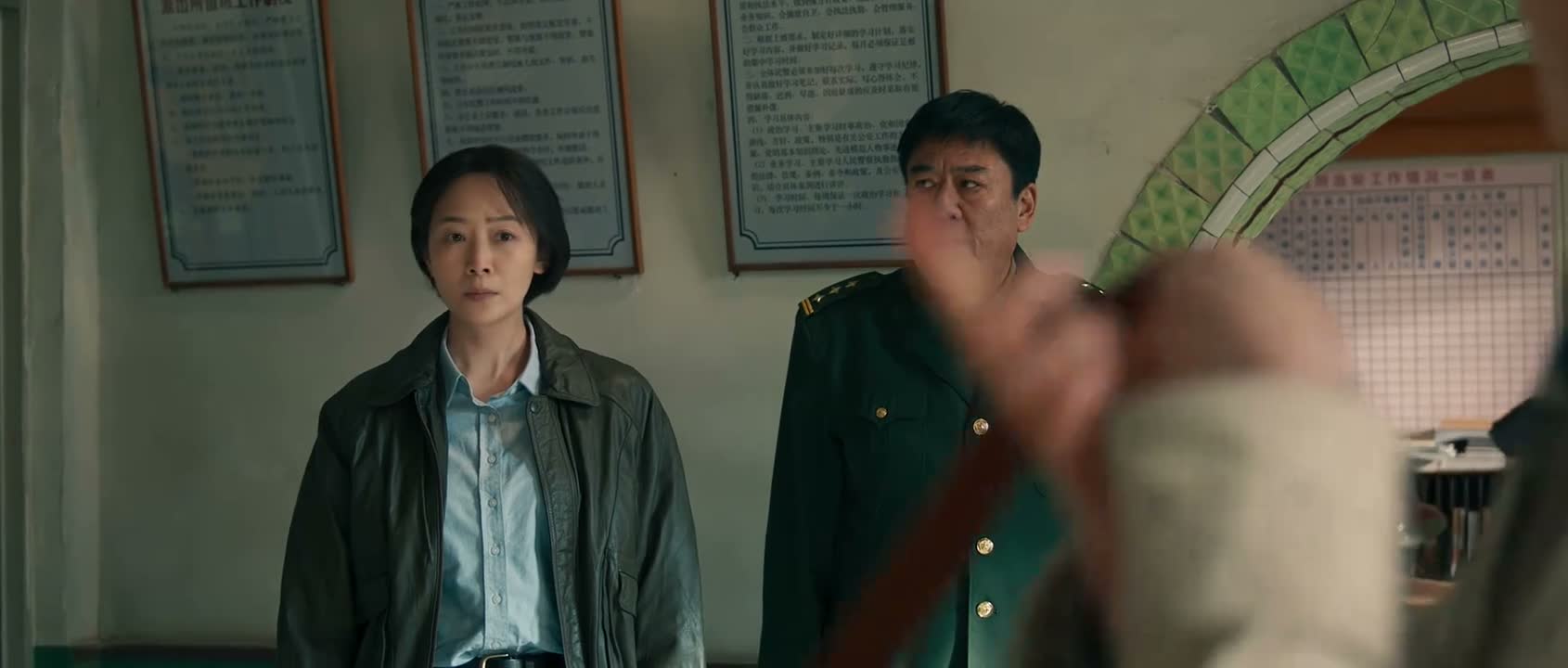 00:02
(谢谢) ── Previous context
“I'll head out first, Chief Liu. Tell them to investigate the coin and the glass shards immediately.”
 00:02
 00:02
 00:02
 00:03
(能行 你试试) ── Previous context
“It's getting late. The town meeting starts soon. I'll head out first.”
[Scene: 其他场景]
(4 clips) 00:02
 00:03
(想他们吗) ── Previous context
“Ah, well, my dad is urging me to have dinner home. I have to go.”
 00:02
 00:03
(行 那我们回家吧 你别送我了 你也不顺路) ── Previous context
“All this back and forth... Okay, I get it. I'll go then.”
[Scene: 社交聚会]
(4 clips) 00:02
 00:02
 00:02
 00:03
(不过还是谢谢你啊) ── Previous context
“Second Young Master Zheng, if there's nothing else, I will take my leave.”
[Scene: 餐饮美食]
(1 clips) 00:02
[Scene: 家庭日常]
(1 clips) 00:03
(我赶快带她上去了啊 好好好) ── Previous context
“Mr. Lin, I'll head out first. No. Come in and sit for a bit.”
[Scene: 警匪刑侦]
(1 clips) 00:02
📌 没事
→Nuance: 补充理由使告辞更委婉自然
📌 放心
→Nuance: 同一离场事由的本人视角表达
📌 想一想
→Nuance: 同为告退托辞,方式不同
📌 行吧
→Nuance: 同向近义词根配对: [时间 ↔ 时候]
📌 到饭点了
→Nuance: 同向近义词根配对: [工作 ↔ 事情]
📌 一个人
→Nuance: 同向近义词根配对: [时间 ↔ 时候]
📌 不好意思
→Nuance: 同为有事离开并请客人慢用
📌 姐
→Nuance: 省略称呼,告辞意图完全一致
📌 我先走了
→Nuance: 以自己有事为由告辞变体
📌 我先走了
→Nuance: 添加连接词,交际意图完全一致