《The Legend of Rosy Clouds》 S1·E19 (35:13)
HSK 7
nǐ men liǎng gè bù qù gōng zuò zhàn zài zhè tōu lǎn a
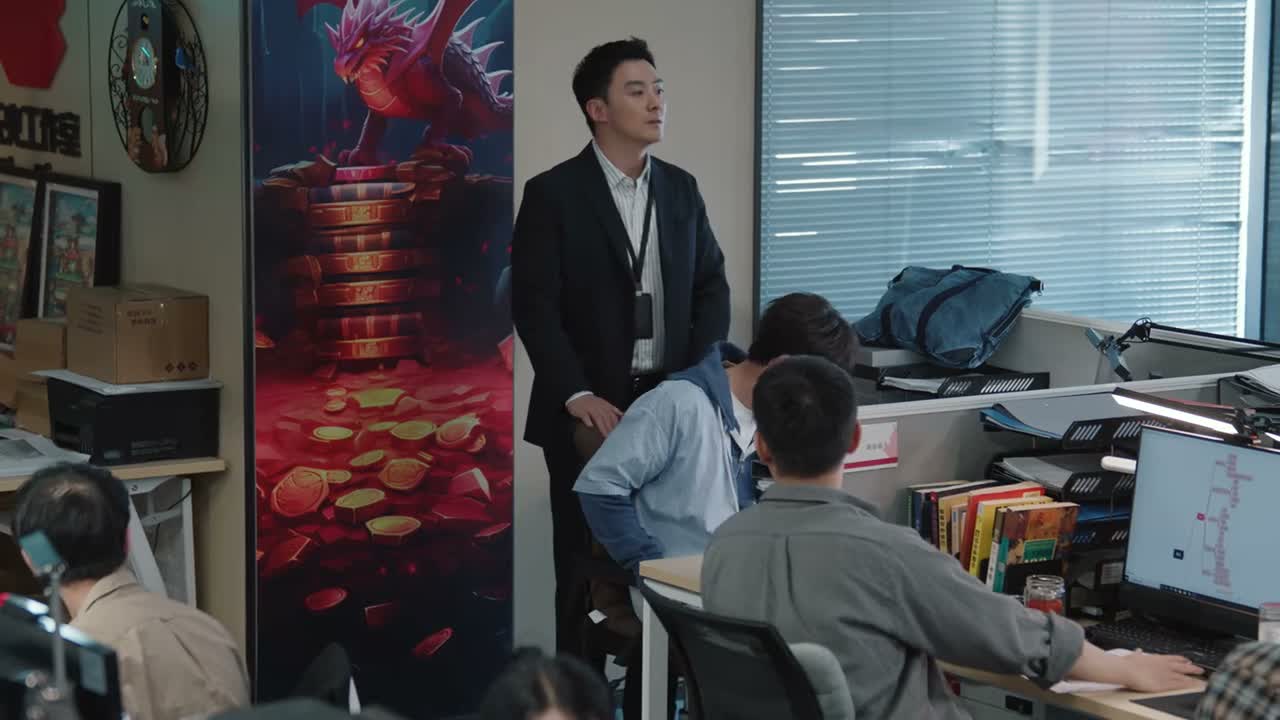
你们两个不去工作 站在这偷懒啊
“Why aren't you going to work? Are you standing here to slack off?”
《The Legend of Rosy Clouds》
S1·E19
TIMECODE: 35:13
·
1080P MASTER AUDIO
THE DIALOGUE REEL
[-1] PREVIOUS TURN
jì xù zhǎo
继续找
“Keep looking.”
nǐ men liǎng gè bù qù gōng zuò zhàn zài zhè tōu lǎn a
CURRENT FOCUS
你们两个 不去 工作 站 在这 偷懒 啊
“Why aren't you going to work? Are you standing here to slack off?”
[+1] FOLLOW-UP TURN
lǔ dà rén nín ràng wǒ men zhěng lǐ de wén shū
鲁大人 您让我们整理的文书
“Lord Lu, we found something among the documents”
Subtitles synced to millisecond timecode
Browse Show Clips →
Scene:
Historical & Court
Function:
REPRIMANDING SUBORDINATES
Tone:
ACCUSATORY
Emotion:
ANNOYANCE
WHAT THEY REALLY MEAN (PRAGMATIC SUBTEXT)
“Get back to work right now, or give me a good reason why you are just standing around.”
💡 Cultural Insight: Hierarchical Workplace Reprimands
In Chinese hierarchical settings, superiors often use pointed rhetorical questions rather than direct commands to scold subordinates, forcing them to immediately justify their behavior.
INTENT TAGS:
#scolding
#asserting_authority
#rhetorical_question
#demanding_explanation
🧩
1 CHUNKS · 1 PARTICLES
LEARNING CHUNKS & PARTICLES
偷懒
SPOKEN CHUNK
to slack off; to be lazy on the job
Commonly used in workplace or school settings to describe avoiding work or taking unauthorized breaks.
Modal Particle「啊」 (a)
CHANGE OF STATE
Used at the end of a rhetorical question to add an interrogative, challenging, and slightly impatient tone.
🏮
5 EXPR · 0 GRAMMAR
VOCABULARY & EXPRESSIONS
COLLOQUIAL EXPRESSIONS:
CROSS-CINEMA CORPUS BOARD · PARALLEL SCENES
EXPLORE BY SEMANTIC SIMILARITY
Parallel Spoken Cinema Scenes (语义近邻切片)

《The Legend of Rosy Clouds》 S1·E19 (35:13) · Authentic Cinema Dialogue Corpus