快走 走 走
“Hurry. Go. Go.”
THE DIALOGUE REEL
好吧
“Okay?”
快走 走 走
“Hurry. Go. Go.”
在哪儿呢
“Where is he?”
Direct spoken expression in this communicative setting.
In spoken Chinese, rapidly repeating monosyllabic directional verbs communicates an imperative tone and heightened situational urgency.
LEARNING CHUNKS & PARTICLES
hurry up and leave; walk fast
A very common everyday imperative used to hurry someone along.
let's go, let's go (repeated for urgency)
Repeating verbs in rapid succession indicates eagerness, rush, or impatience.
VOCABULARY & EXPRESSIONS
Parallel Spoken Cinema Scenes (语义近邻切片)

“Go, go, go. Hurry, hurry.”

“Go!”

“Go, hurry up and go.”

“Go. Go, go, go!”

“-Hurry and leave. -Hurry and leave. -Hurry and leave. -Hurry and leave.”

“Go, go. Hurry up.”

“Go! Come on!”

“Run. They're coming for us! They're coming...”

“Hurry. Let's go. Leave him alone.”

“Mr. Tian. Let him go. Mr Tian! Mr Tian!”

“Let's go quickly. The typhoon is coming. It's too dangerous. Let's go.”

“Come on, move. We're having meat today.”
“Go. Carry it. Quick.”
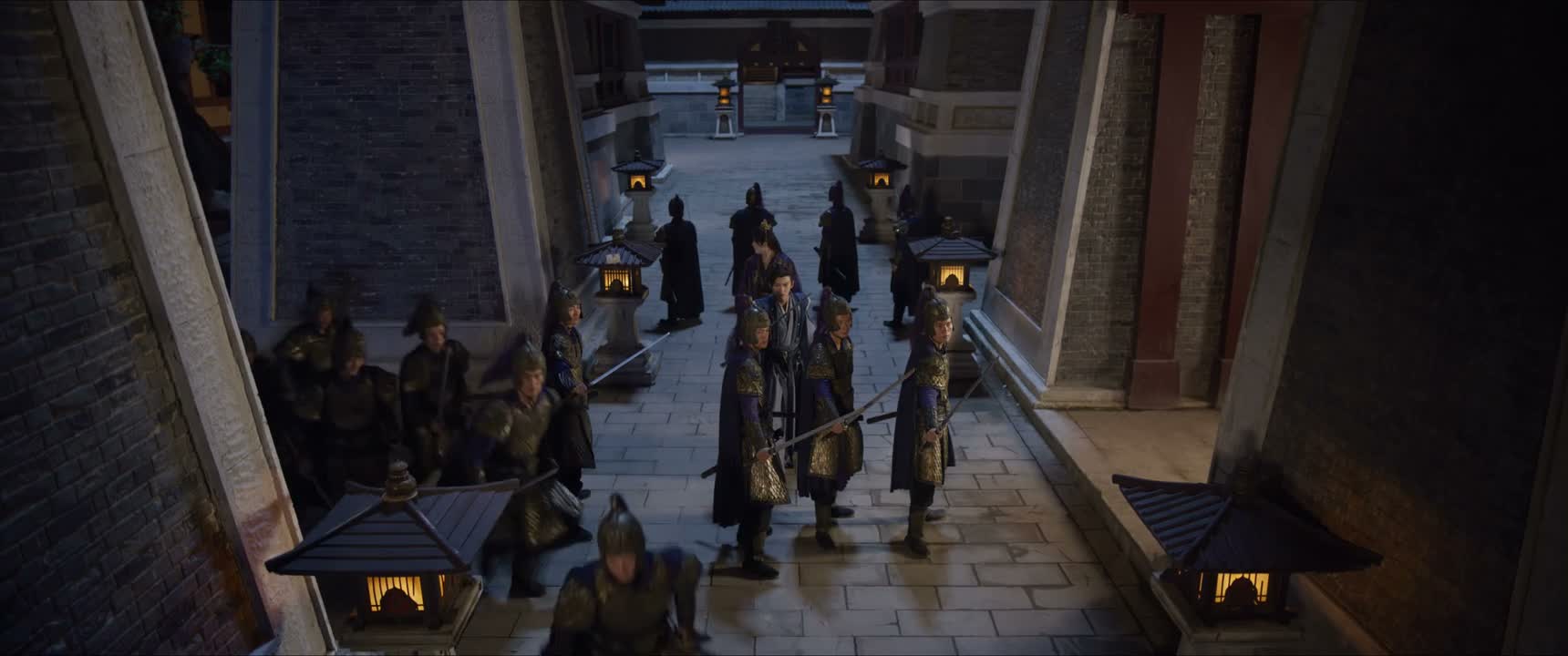
“-Let's go! After them! -Get a move on! Let's go!”
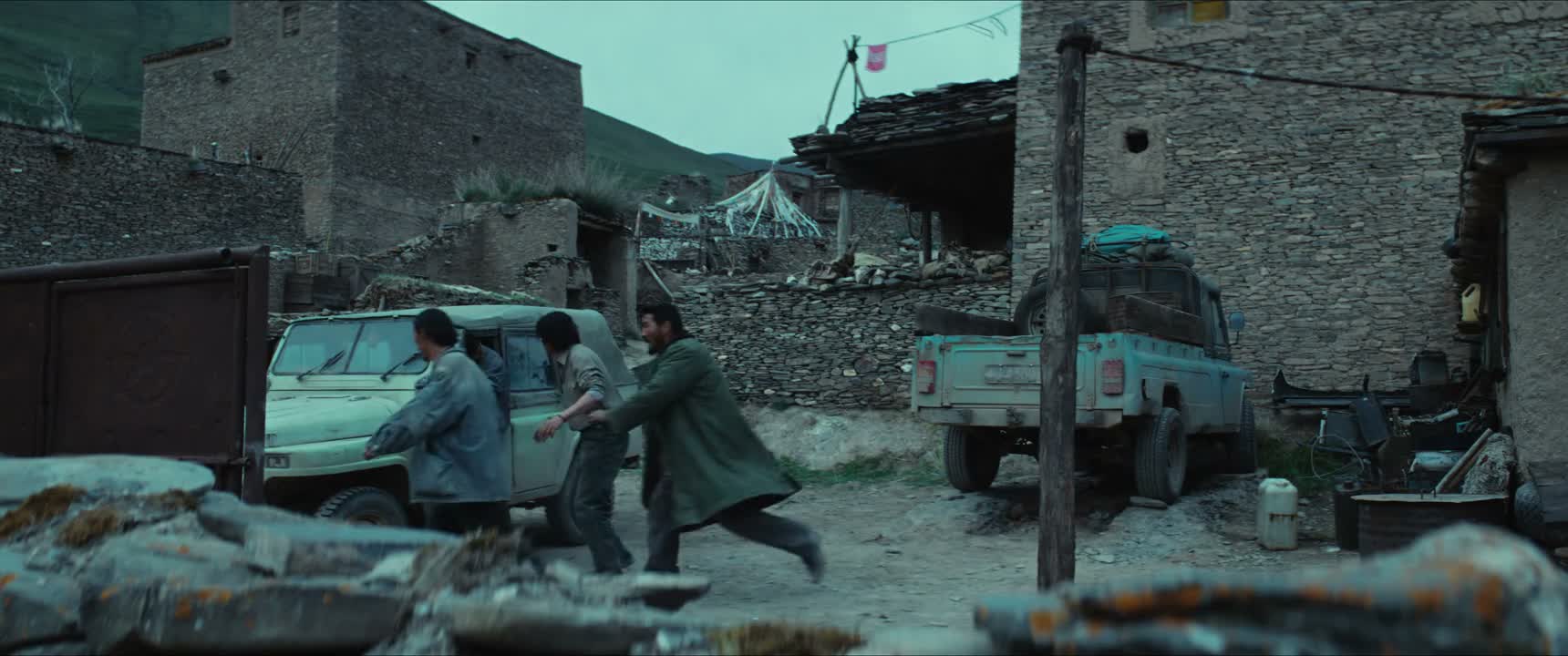
“Move. What's there to fight over?”