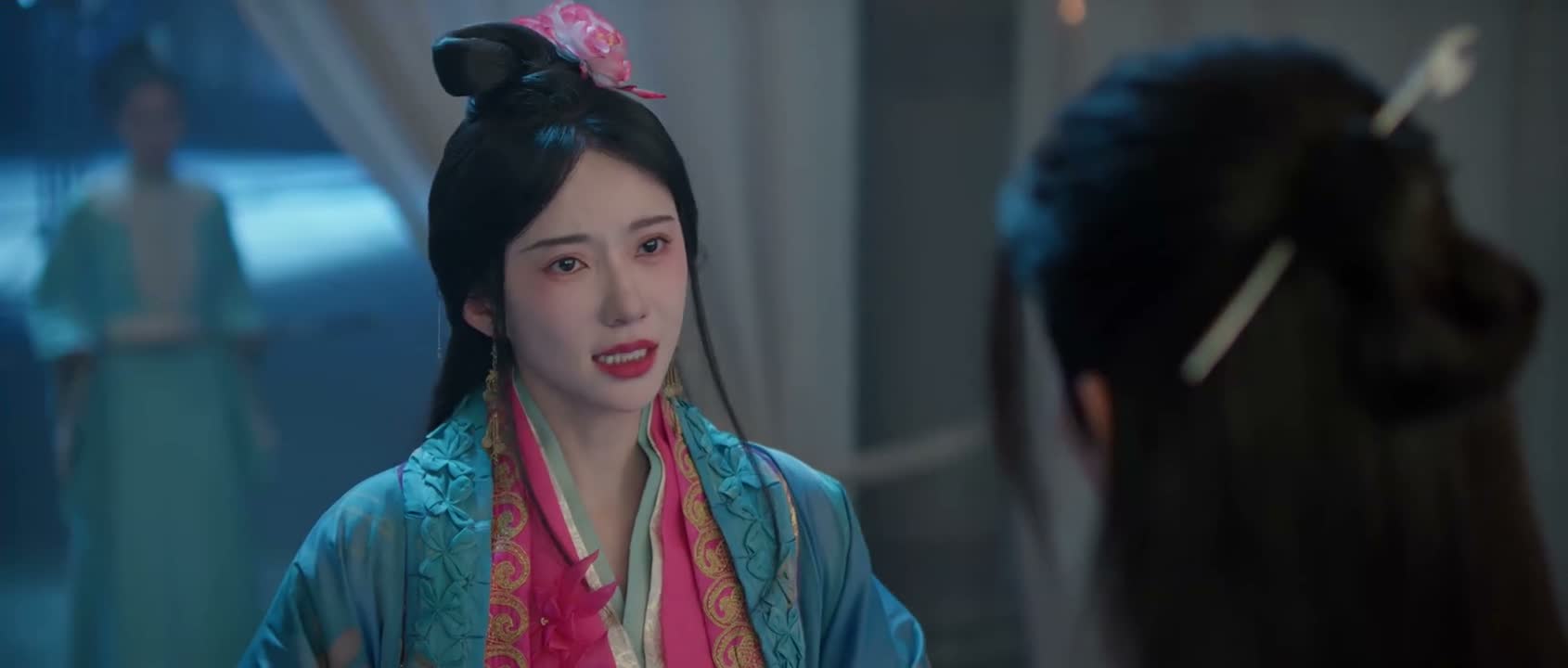
您不是最疼祯娘了吗
“don't you love me the most?”
THE DIALOGUE REEL
打几鞭子就想一笔勾销吗 七祖母
“Do you think a few lashes will write it off? Seventh Grandmother,”
您 不是 最疼 祯娘了 吗
“don't you love me the most?”
他们说话都不作数 您只听祯娘的话
“You don't care about what others say. You only listen to me.”
“Since I am your absolute favorite, you should take my side and do as I say.”
Referring to oneself in the third person by name when speaking to family elders is a classic display of 'sajiao' (acting endearingly childlike) to evoke protective affection.
LEARNING CHUNKS & PARTICLES
isn't it the case that...?; don't you...?
A rhetorical question structure used to remind the listener of an established fact to support the speaker's point.
to dote on the most; to love dearly
Specifically used to describe how elders, parents, or older relatives affectionately spoil or care for younger family members.
Intensifies the superlative state ('most') as an established, ongoing truth.
Forms a rhetorical question when paired with 'bushi', seeking gentle confirmation.
VOCABULARY & EXPRESSIONS
Parallel Spoken Cinema Scenes (语义近邻切片)

“Don't you hate me the most?”

“Don't you care about him the most?”

“You're the one who hates her most.”
“truly breaks my heart.”

“I clearly love you.”
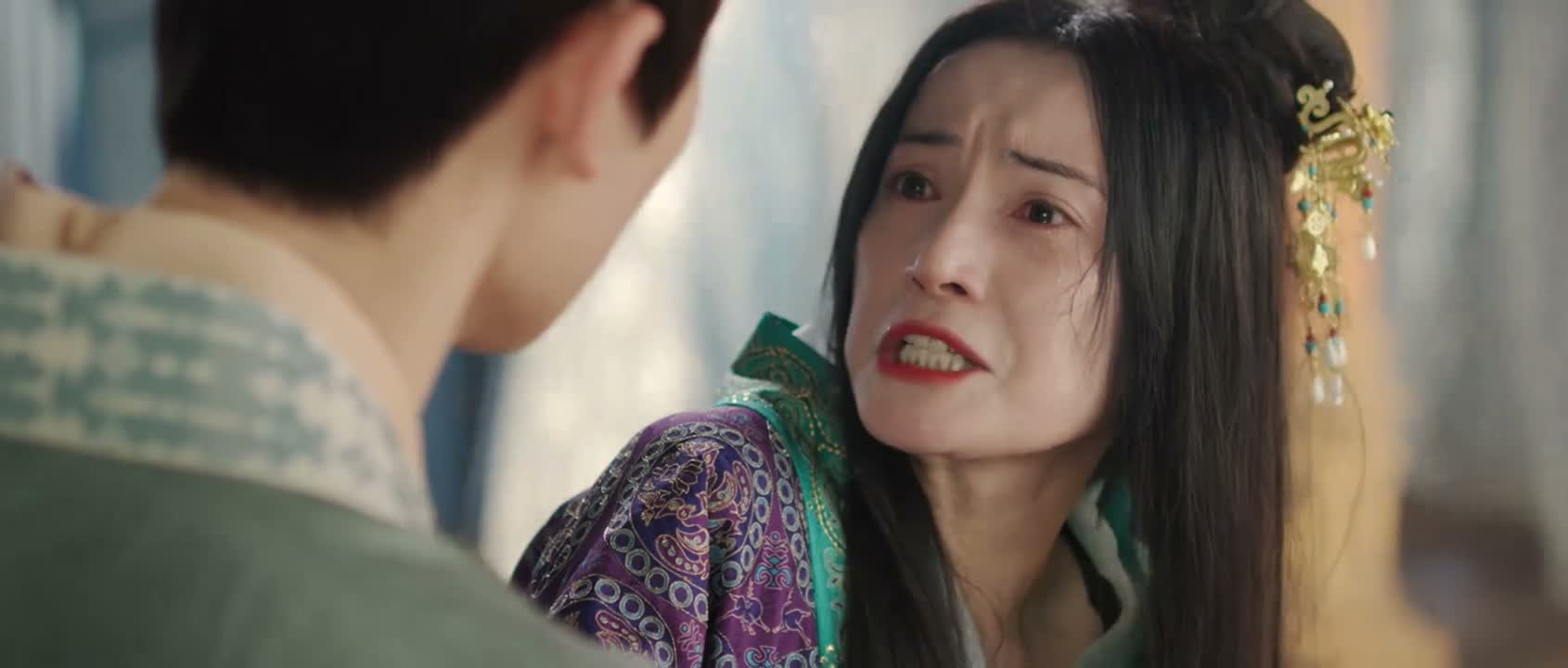
“you cherish most is Lingbo.”