那要真不离开 那不成啃老啦
“If they really don't leave, they live off their parents.”
THE DIALOGUE REEL
哪有孩子长大了 不离开父母的呀
“When children grow up, they all leave their parents.”
那要真不 离开 那不成 啃老 啦
“If they really don't leave, they live off their parents.”
那我就守着李尖尖
“Then I'll stay with Li Jianjian and protect her.”
“Of course we have to leave eventually; otherwise we'd just be freeloaders living off our parents!”
While filial piety requires adult children to support aging parents, soaring living costs have created the stigmatized phenomenon of 'kenlao', where grown children remain financially dependent on their parents.
LEARNING CHUNKS & PARTICLES
wouldn't that become...?; doesn't that turn into...?
A colloquial rhetorical structure used to point out an absurd or undesirable consequence of a hypothetical situation.
to live off one's aging parents; to be a NEET/freeloader
Literally 'gnawing on the old'. Used to describe able-bodied adults who rely financially on their parents instead of working.
A fusion of 'le' and 'a' that softens the rhetorical question and adds a playful, lively tone.
VOCABULARY & EXPRESSIONS
Parallel Spoken Cinema Scenes (语义近邻切片)

“Now she says she'll run away.”

“Dongyuan or hid there briefly before leaving, that makes it tricky.”
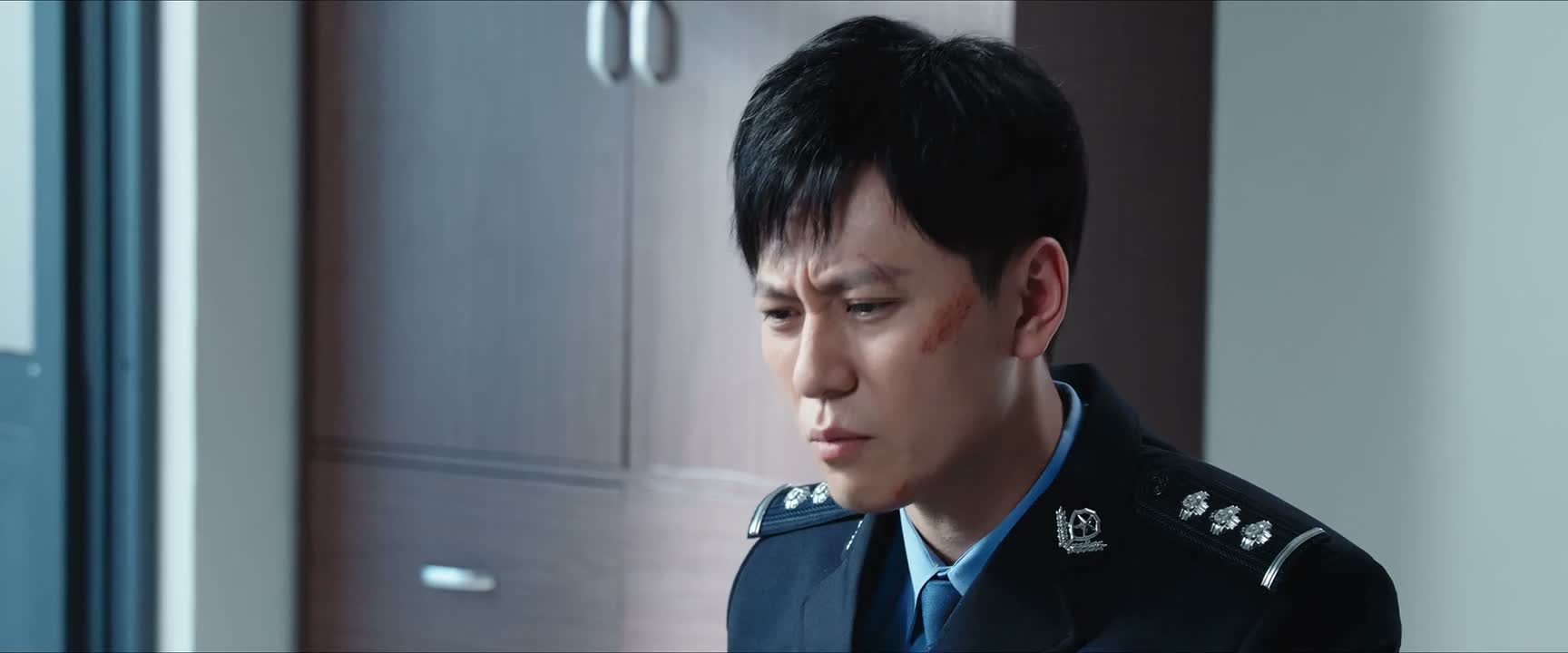
“If it's not working out, just get a divorce. Get out!”

“If you're not going to eat it, I'll take it away. Put it down.”

“I won't keep you around for dinner.”

“He just wandered around and left. He's not the homemaker type.”