世子爷会赢吧 便可获得对方的彩头
“"I bet on Lord Ye." ...wins the other's prize.”
THE DIALOGUE REEL
每人需出一道谜题 又需添一道彩头 猜中谁的谜题
“We each come up with one riddle, and put up a prize as stakes. Whoever guesses it...”
世子爷 会赢吧 便可 获得对方的 彩头
“"I bet on Lord Ye." ...wins the other's prize.”
那是自然的
“"I follow."”
Direct spoken expression in this communicative setting.
In imperial China, games of wit like riddle-solving among the elite often involved wagers known as 'caitou', blending entertainment with social prestige.
LEARNING CHUNKS & PARTICLES
young lord / heir apparent of a noble house
A respectful historical honorific addressed to or referring to the eldest son/heir of an imperial prince or high noble.
prize or wager in a traditional game
Used in traditional contexts to refer to a celebratory stakes or auspicious prize put up in games and contests.
Softens the assertion into a tentative question seeking agreement or confirmation.
VOCABULARY & EXPRESSIONS
Parallel Spoken Cinema Scenes (语义近邻切片)

“Indeed, Your Highness.”

“Lord Ye saw me too. If he suddenly learns I died,”

“Your Highness, this might be our chance.”

“Young Master Ye doesn't come here often?”
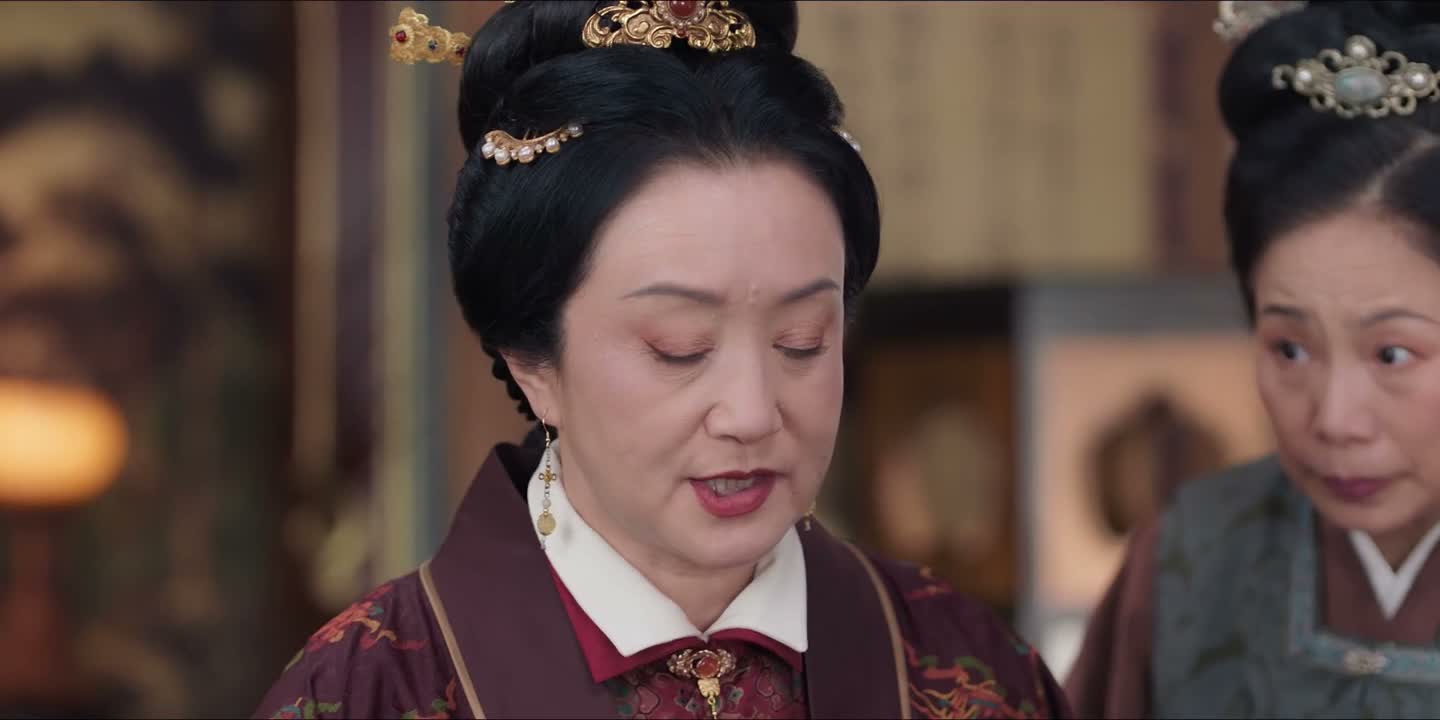
“Your Highness, you're joking. Bowing to you”
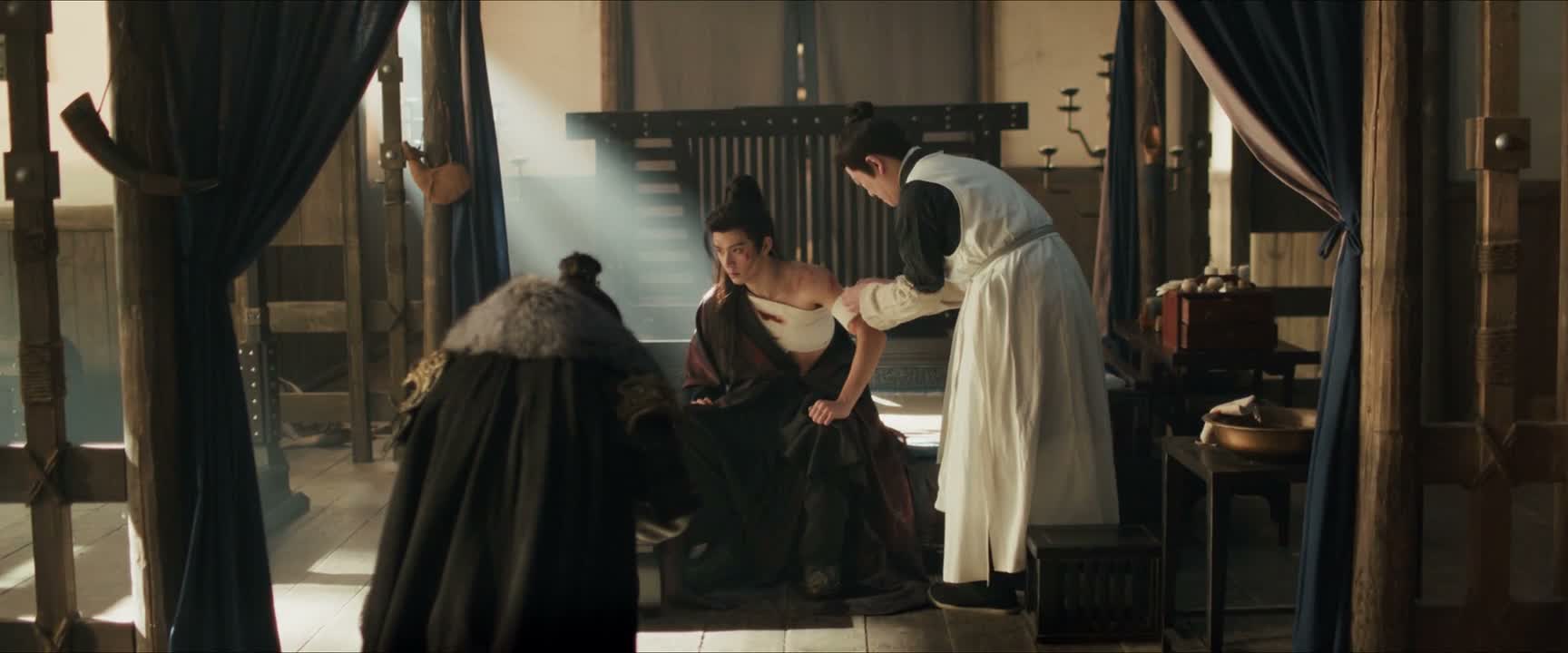
“You're right, Your Highness.”