不用维护她 老板做得不地道 你有权利反抗的
“Don't defend her. If a boss is unfair, you can push back.”
THE DIALOGUE REEL
“She didn't make me stay. I chose to work late.”
不用 维护她 老板 做得 不地道 你 有权利反抗 的
“Don't defend her. If a boss is unfair, you can push back.”
“Who actually wants to work late? Wouldn't you rather sleep or read?”
Direct spoken expression in this communicative setting.
Modern Chinese workplace discourse increasingly questions toxic 'voluntary overtime' culture, encouraging workers to shed false loyalty and assert their statutory personal boundaries.
LEARNING CHUNKS & PARTICLES
defend; stick up for; protect
Commonly used in interpersonal contexts to describe taking someone's side or shielding them from criticism.
not playing fair; acting unethically or improperly
A vivid colloquial northern expression describing actions that violate unwritten moral or social standards.
have the right to
Used to validate someone's entitlement to make a choice, complain, or push back.
Placed at the end of the clause to give affirmative certainty and emphasize the legitimacy of the assertion.
VOCABULARY & EXPRESSIONS
Parallel Spoken Cinema Scenes (语义近邻切片)
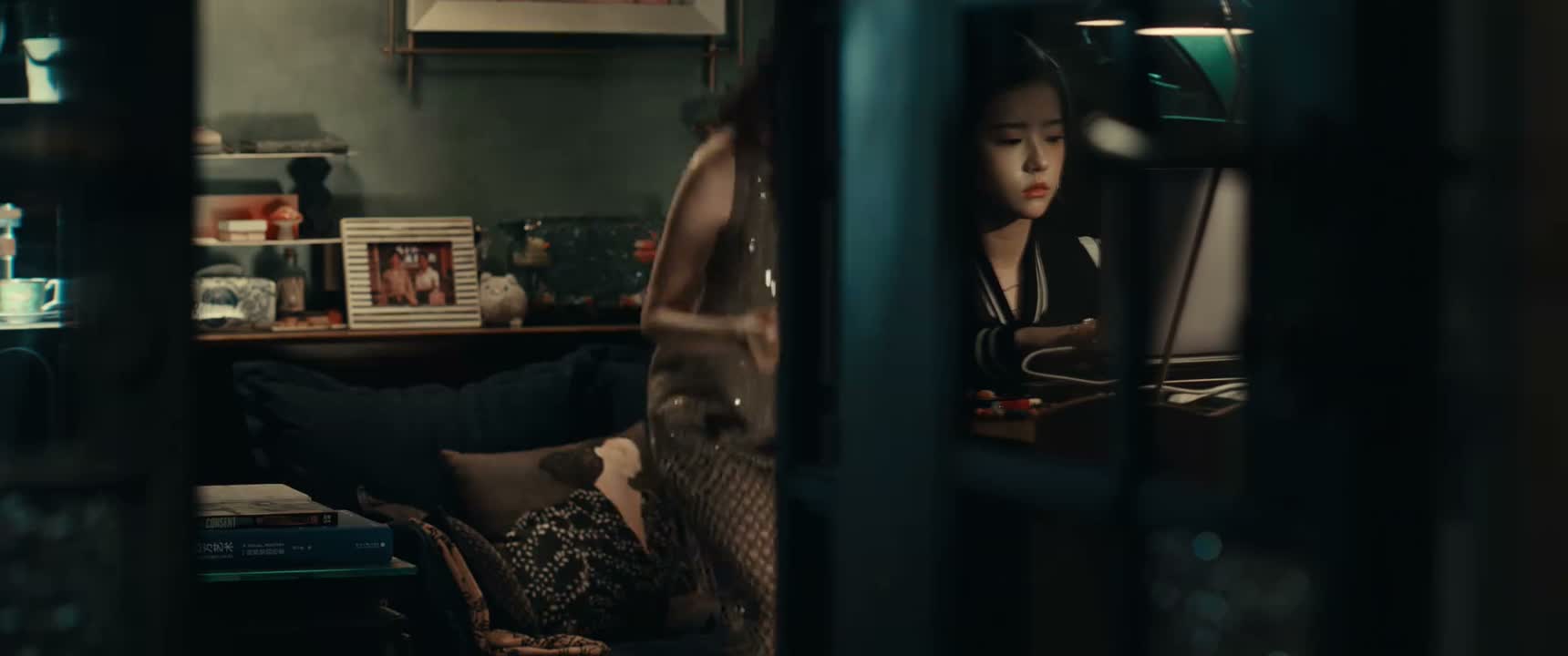
“Your boss is exploiting you. You could report her.”
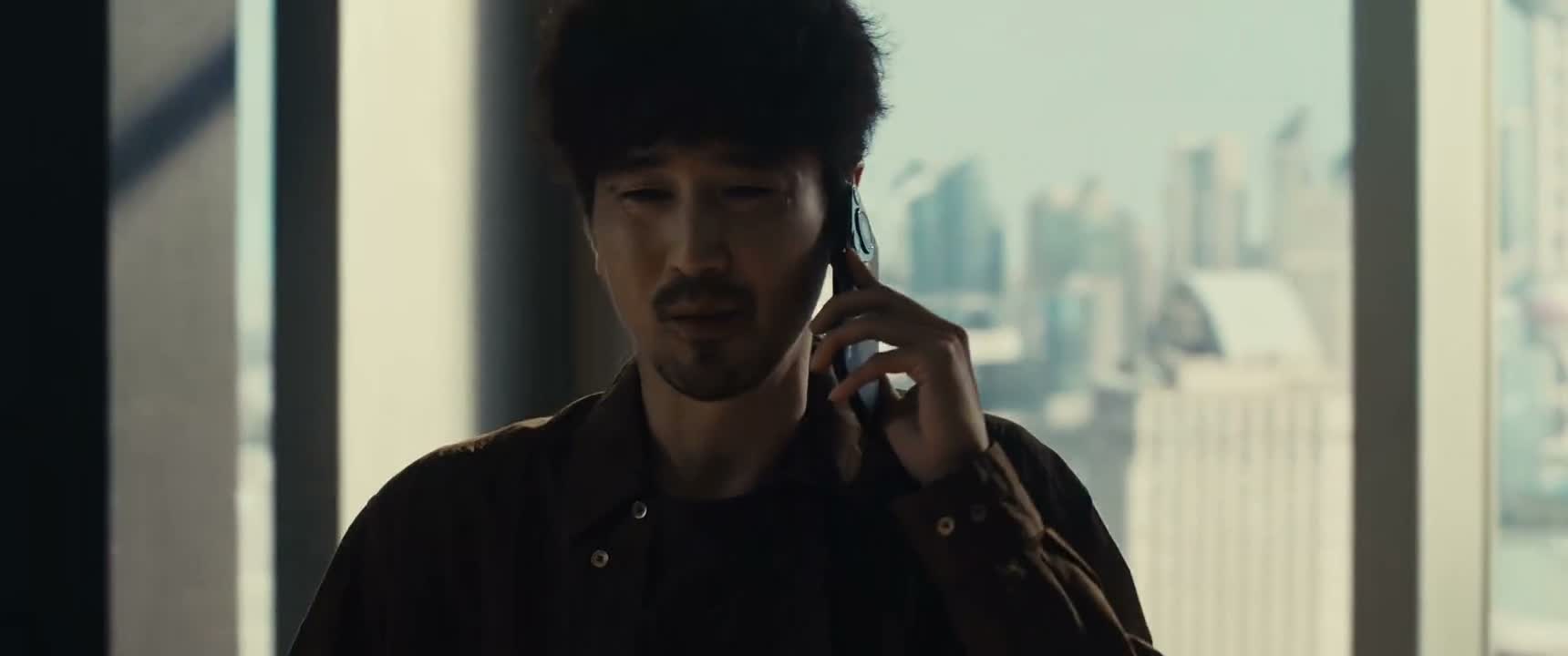
“Just scare her a little. Do not really fire her.”

“not to protect Shanlifang's image? You knew that, didn't you?”