这饭还没吃完呢 怎么就去巡逻去啊
“Mr. Tan, they haven't finished eating yet. Why patrol now?”
THE DIALOGUE REEL
谭镇长
“Mr. Tan, they haven't finished eating yet.”
这饭 还没吃完 呢 怎么就 去巡逻去 啊
“Mr. Tan, they haven't finished eating yet. Why patrol now?”
强搬呀 这帮家伙们 你刚去他就跑掉了
“Forced moving. These guys run away when you show up.”
Direct spoken expression in this communicative setting.
In Chinese everyday culture, having a complete and peaceful meal is seen as fundamental; interrupting a meal for work duties is a common sign of professional dedication.
LEARNING CHUNKS & PARTICLES
haven't even finished eating
Used to point out the premature departure from a meal table, often carrying caring or puzzled overtones.
how come suddenly / why so quickly
Expresses bafflement or mild objection at an abrupt or premature action.
Highlights the ongoing state of the unfinished meal.
Softens the interrogative tone into conversational inquiry rather than an interrogation.
VOCABULARY & EXPRESSIONS
Parallel Spoken Cinema Scenes (语义近邻切片)

“Wait, why don't you have a meal before you leave? There's no time.”
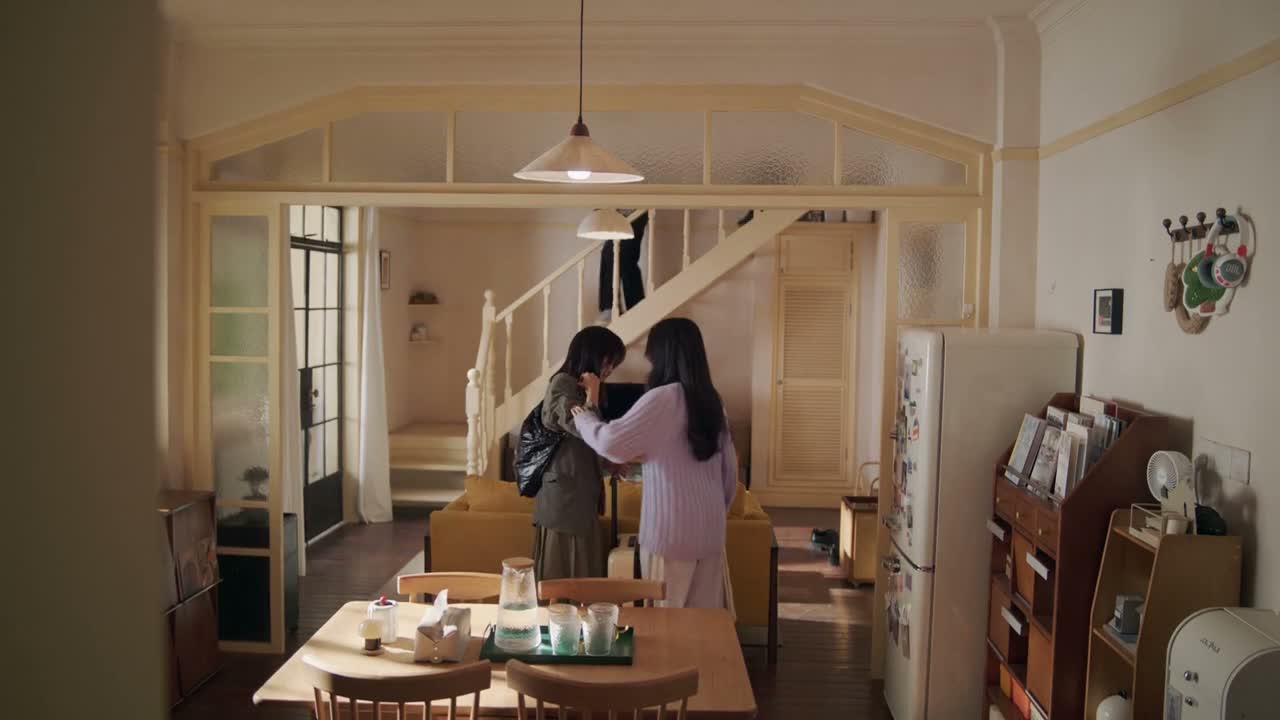
“Why the rush? Let's have dinner before you go. We're not eating.”

“Since you're here, stay for a meal. I'm working.”

“We have work to do when we get back. I'm full. Finish up and let's go.”

“Stay for dinner tonight. I won't hear otherwise. [Shengcheng Commercial Bank]”
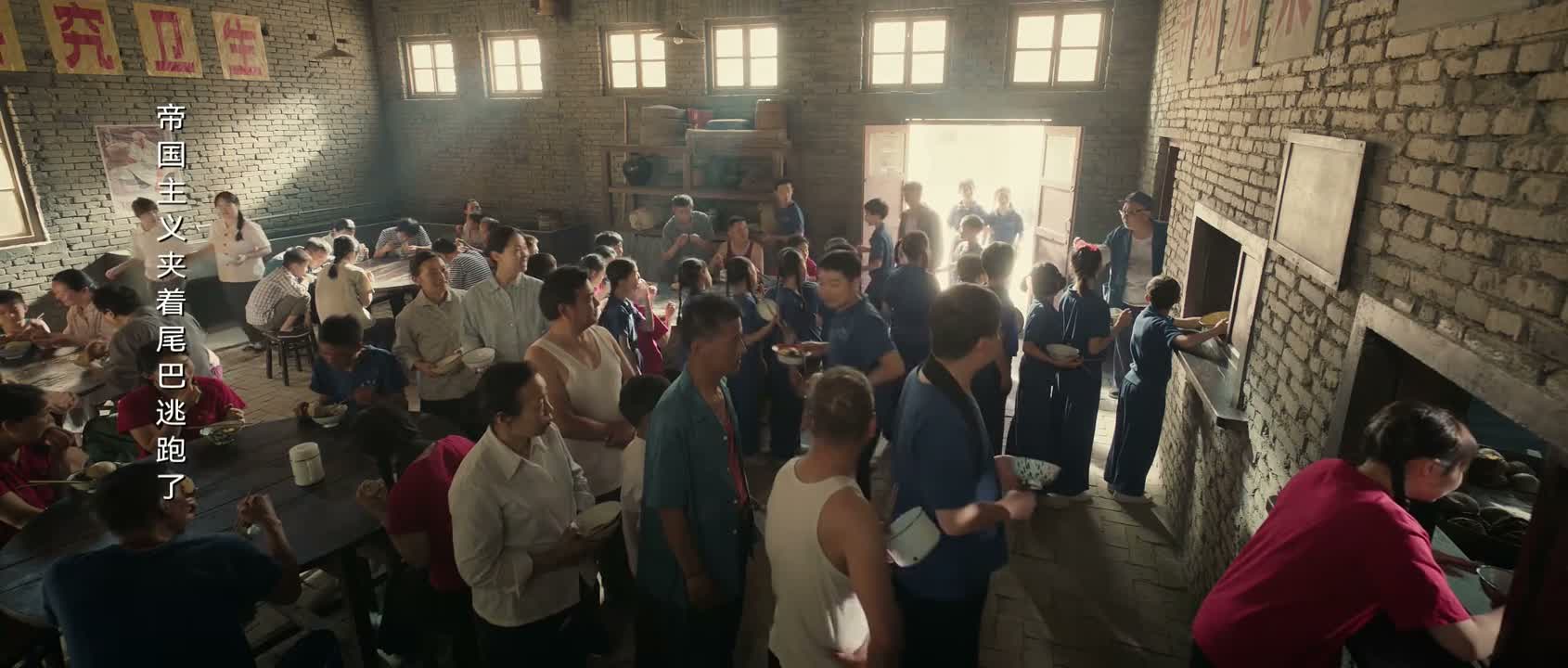
“Take your food back to the dorms.”