晚上留下来吃饭啊 不许走
“Stay for dinner tonight. I won't hear otherwise. [Shengcheng Commercial Bank]”
THE DIALOGUE REEL
“We're family. No need to be so polite.”
晚上 留下来吃饭 啊 不许走
“Stay for dinner tonight. I won't hear otherwise. [Shengcheng Commercial Bank]”
刘芬同志
“Comrade Liu Fen,”
“You are family, so there is no way I will let you leave without sharing a meal.”
In Chinese hospitality culture, hosts repeatedly and forcefully demand guests stay to eat to show genuine sincerity rather than mere polite formality.
LEARNING CHUNKS & PARTICLES
to stay behind
Combines the verb '留' (to stay) with the directional complement '下来', commonly used when inviting guests to remain.
not allowed to / forbidden to
Used playfully among close friends or family to affectionately forbid someone from leaving or declining a treat.
Softens the imperative sentence, making the invitation feel friendly, affectionate, and personal.
VOCABULARY & EXPRESSIONS
Parallel Spoken Cinema Scenes (语义近邻切片)

“Do you want to stay for dinner? There's dinner? Go.”

“Aren't you staying for dinner?”

“Wait, why don't you have a meal before you leave? There's no time.”

“How about you have breakfast before you leave?”
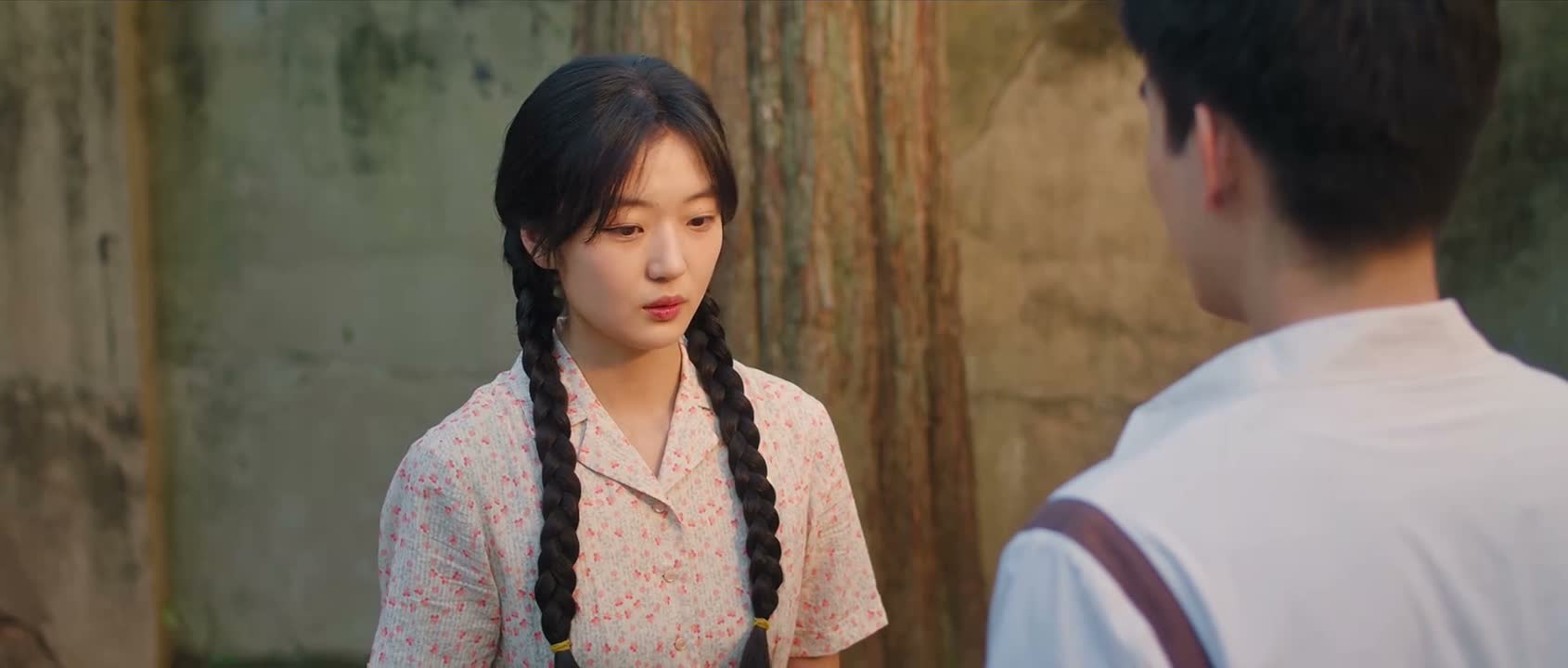
“I won't keep you around for dinner.”
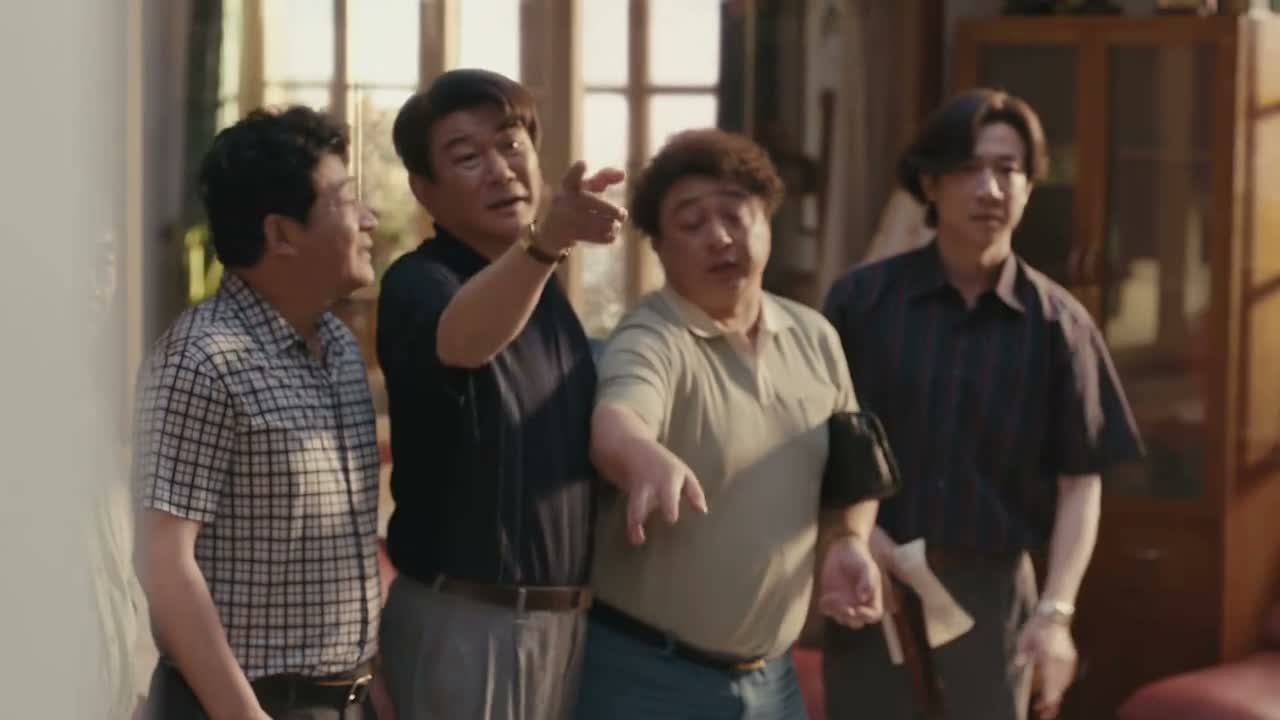
“Stay. Stay for a meal.”