要是故障了 我们两个怎么醒了?
“If so, how come we're awake?”
THE DIALOGUE REEL
“Portal malfunction? Impossible.”
要是 故障了 我们两个 怎么醒了 ?
“If so, how come we're awake?”
很有可能那个人他不是老白
“It's very possible the man we saw was not Mr. Bai.”
“Your theory is completely flawed; our waking up proves the system didn't just fail.”
Chinese speakers frequently employ rhetorical 'how come' questions rather than direct denials to point out logical fallacies in another person's claim.
LEARNING CHUNKS & PARTICLES
if... then how come...?
A powerful rhetorical pattern used to refute someone's hypothesis with counter-evidence.
the two of us
Common spoken phrasing to specify a pair of people including the speaker.
Marks a change of state or realized action, emphasizing the anomaly of them having awakened.
VOCABULARY & EXPRESSIONS
Parallel Spoken Cinema Scenes (语义近邻切片)

“Let's see. Let's see if you get up.”

“- Cut us some slack. - He just woke up! There's only two of us. We need to hurry, or the suspects will get away.”

“Did I wake you up when I came home this morning?”

“Notify us as soon as he wakes up.”
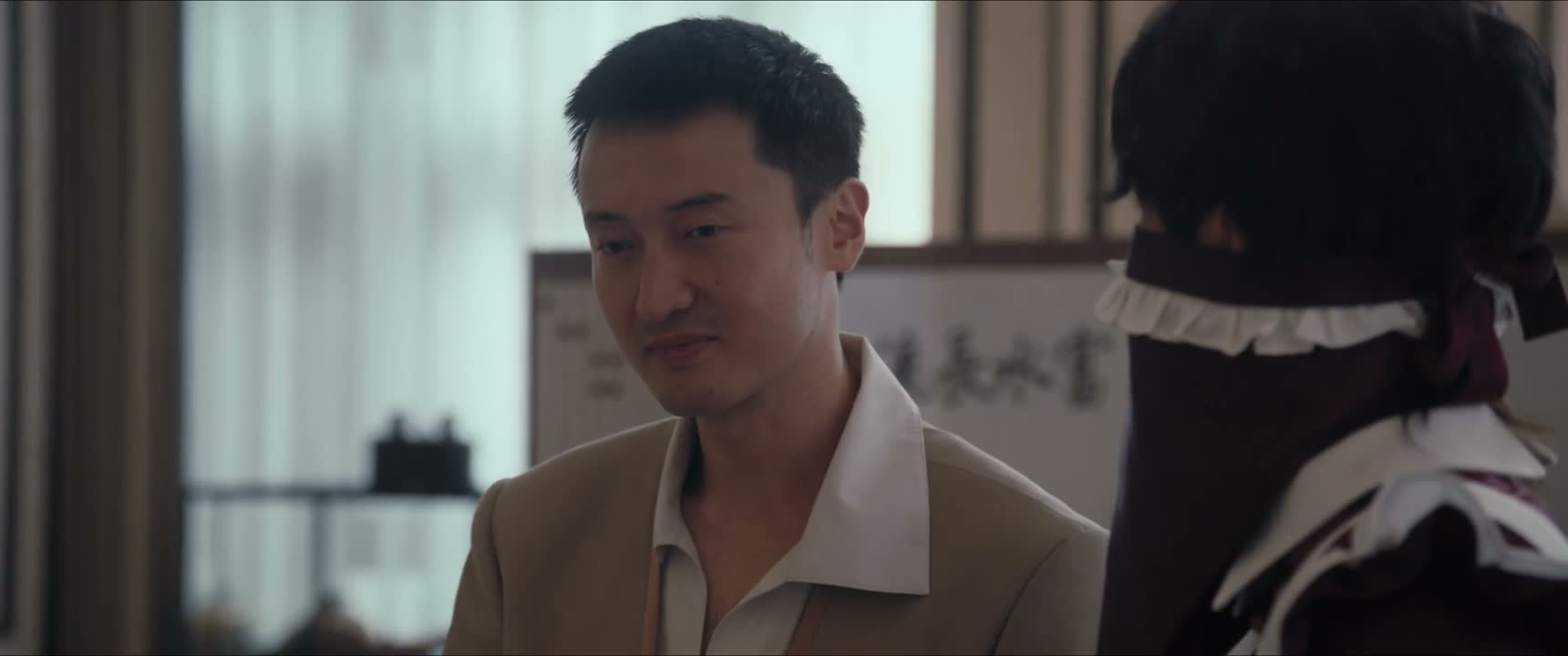
“We'll contact you when you wake up.”
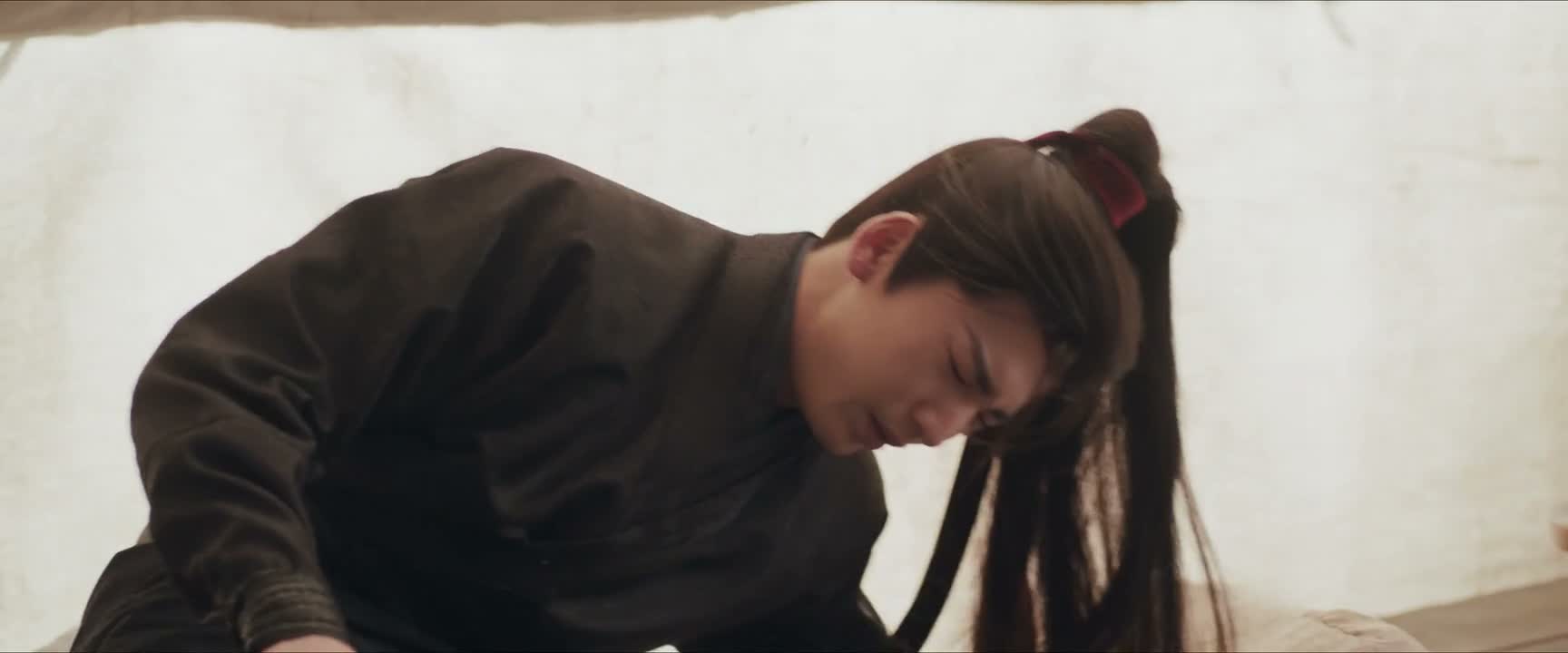
“How did you wake up so early?”