全军覆没 我怎么就成逃兵了呢
“and the whole army was wiped out. How did I become a deserter?”
THE DIALOGUE REEL
打到弹尽粮绝
“We fought until we ran out of ammunition and supplies,”
全军覆没 我 怎么就成 逃兵 了 呢
“and the whole army was wiped out. How did I become a deserter?”
卢云
“Lu Yun.”
“I gave everything on that battlefield, do not dare call me a coward.”
In Chinese military ethics, being branded a 'taobing' (deserter) carries supreme dishonor to oneself and one's ancestry, provoking fierce moral indignation when misapplied.
LEARNING CHUNKS & PARTICLES
total annihilation of an army
A formal Chengyu often used in military and metaphorical contexts to describe complete loss.
how on earth / how could it possibly be that
Used in rhetorical questions to emphasize disbelief and indignant protest against an unfair outcome.
Marks the change of state into being categorized as a deserter.
Intensifies the rhetorical question and underscores deep bewilderment and outrage.
VOCABULARY & EXPRESSIONS
Parallel Spoken Cinema Scenes (语义近邻切片)

“you watched our defeat and heavy losses.”
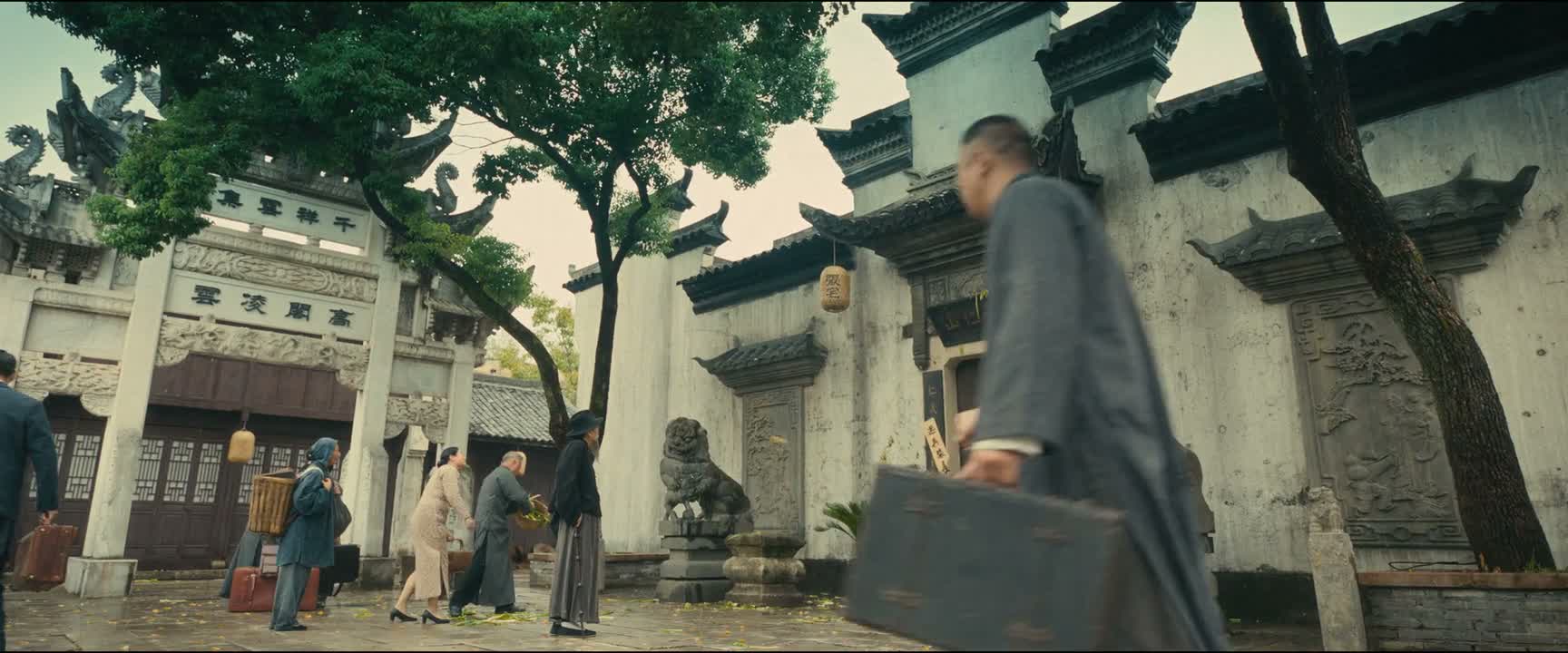
“Deserter! You are a soldier. What are you doing? You are paid by the country!”

“I can't drag you down with me. Your Highness...”

“If this truly is an ambush, our left flank will be entirely wiped out.”
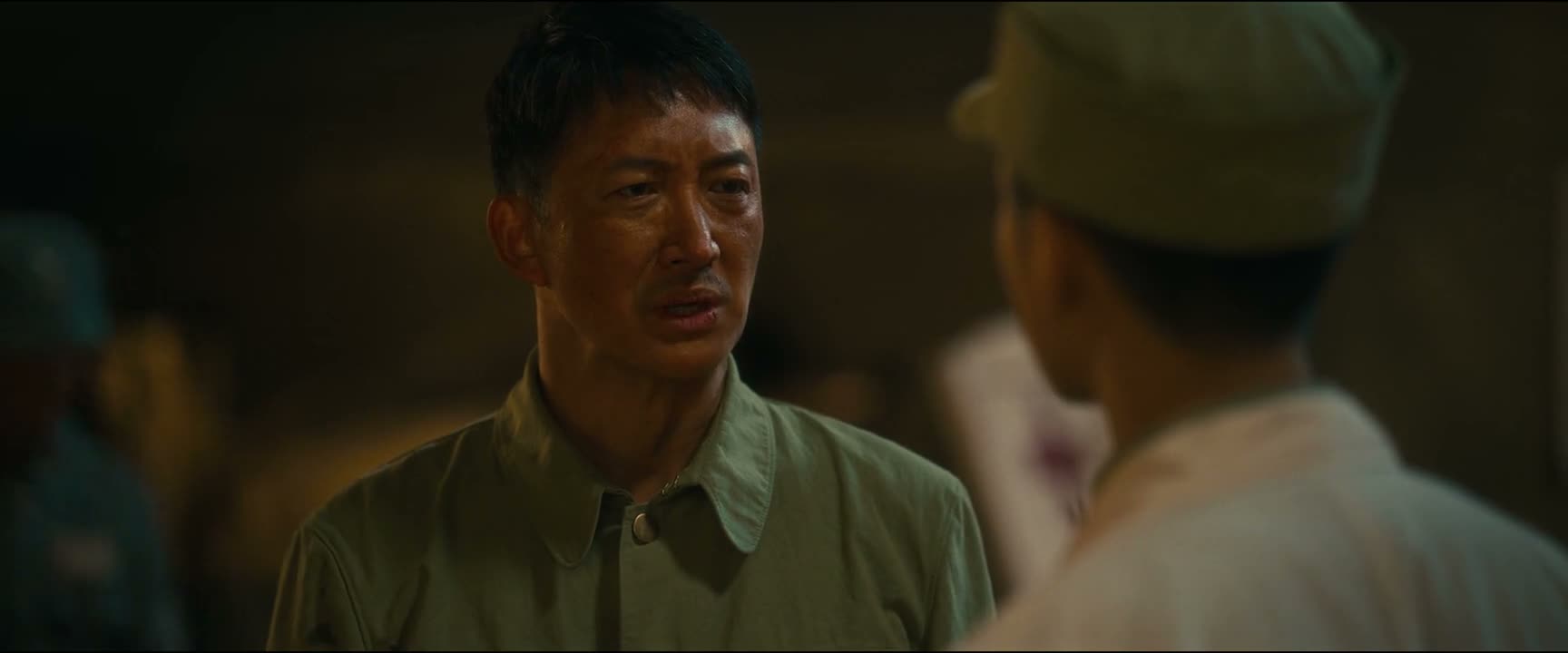
“like me. They won't rest in peace.”
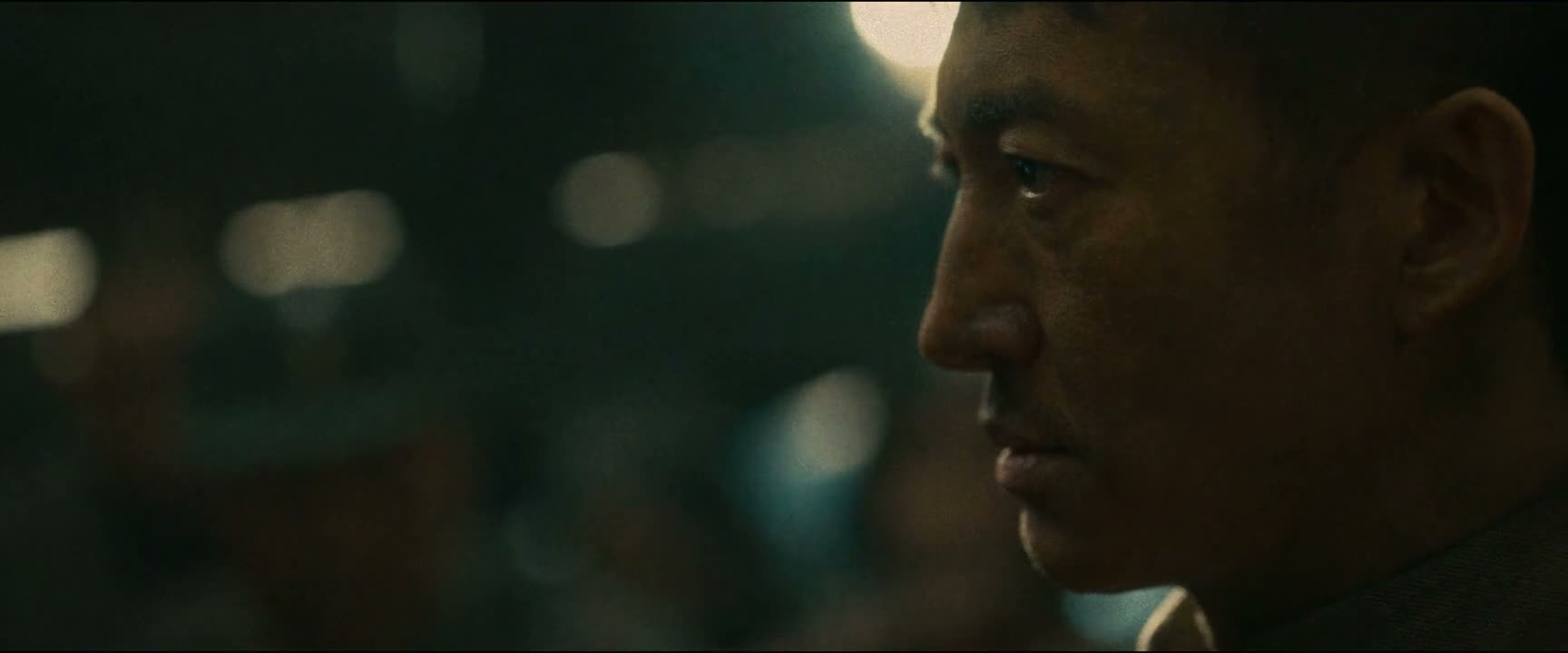
“If I'm not a deserter, should I be cannon fodder?”