不是 我道什么歉啊
“No, what do I have to apologize for?”
THE DIALOGUE REEL
还有挽回的馀地
“can still be salvaged.”
不是 我道什么 歉 啊
“No, what do I have to apologize for?”
江晓樱刷的票
“Jiang Xiaoying rigged the votes.”
“I did nothing wrong, so there is no way in hell I am going to apologize.”
Starting an objection with '不是' in colloquial Chinese serves as an instinctive buffer to immediately interrupt an unfair accusation before mounting a defense.
LEARNING CHUNKS & PARTICLES
wait; hold on; that's not right
A spoken discourse marker used at the start of a sentence to abruptly protest or challenge someone's premise.
why apologize; what apology is there to make
A rhetorical question pattern [Verb + 什么 + Noun] used to reject the necessity or validity of the action.
Intensifies the rhetorical challenge and signals strong indignation.
VOCABULARY & EXPRESSIONS
Parallel Spoken Cinema Scenes (语义近邻切片)
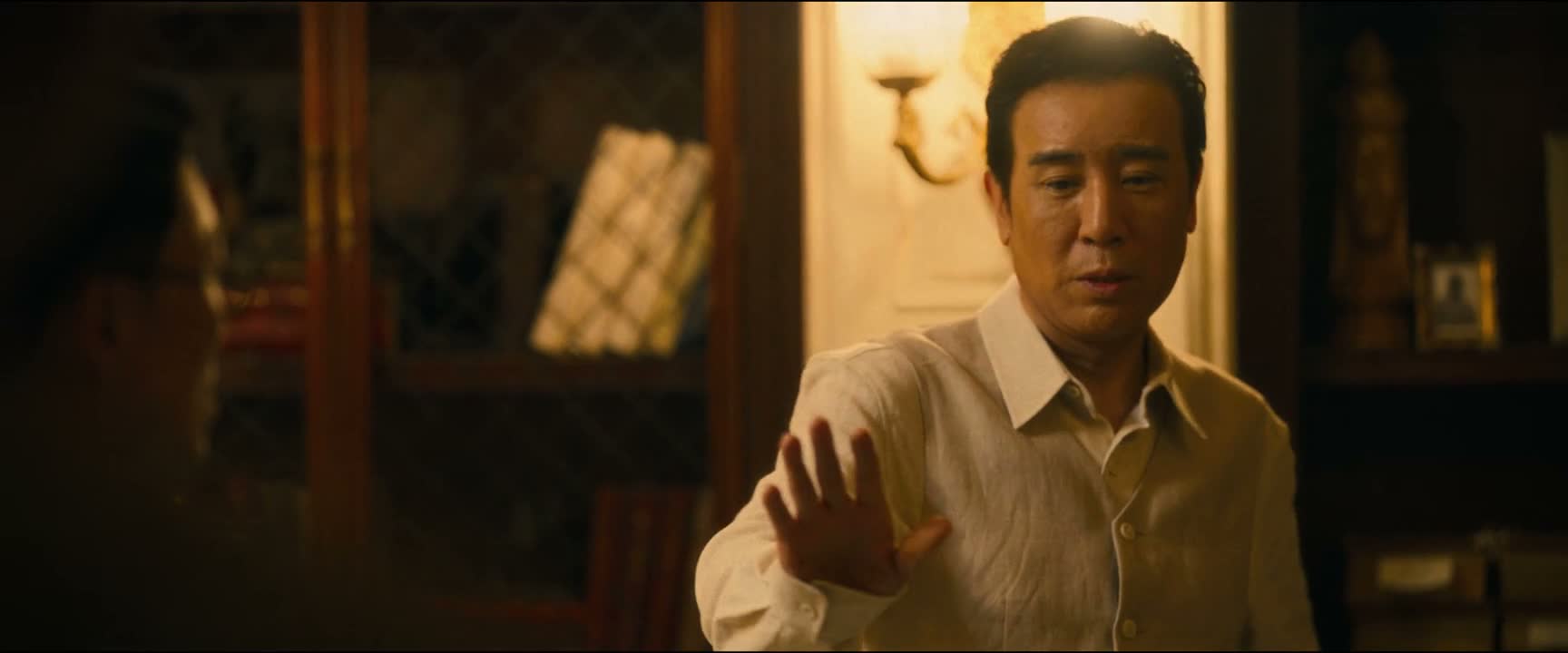
“No, no, no. Now I don't want him to apologize.”

“I just wanted to apologize to you.”

“I accept your apology.”

“I owe you a formal apology.”

“I was wrong and said sorry. What else? Still no.”
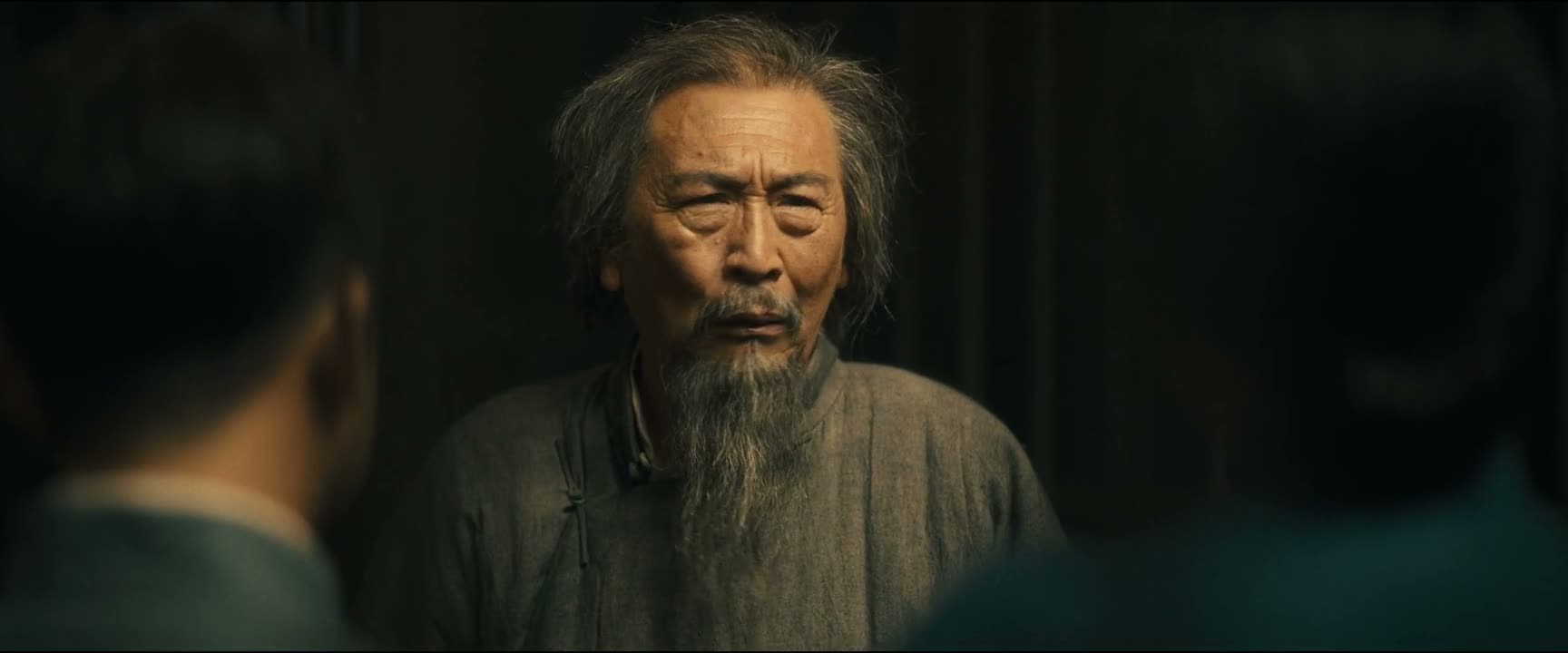
“I cannot apologize.”