你难道就不怕待在魏阳会有危险吗?
“Aren't you afraid that staying in Weiyang is dangerous?”
THE DIALOGUE REEL
你走吧
“you should go.”
你 难道就不 怕 待在 魏阳 会有危险 吗 ?
“Aren't you afraid that staying in Weiyang is dangerous?”
“I just want to stay in the sunlight.”
“You are insane to stay here; you are putting your life on the line.”
In Chinese discourse, framing a warning as a rhetorical question using '难道' is a forceful way to highlight obvious risks and pressure the listener to reconsider.
LEARNING CHUNKS & PARTICLES
could it be that (you) aren't even afraid of
Used in rhetorical questions to emphasize disbelief at someone's apparent lack of fear or caution.
there will be danger / it could be risky
A common cautionary collocation to point out potential hazards or threats.
Marks the rhetorical question, demanding confirmation of whether the listener truly disregards the danger.
VOCABULARY & EXPRESSIONS
Parallel Spoken Cinema Scenes (语义近邻切片)

“Leave Weiyang. Pack your things right now.”

“he wants me gone from Weiyang. But that works out too.”
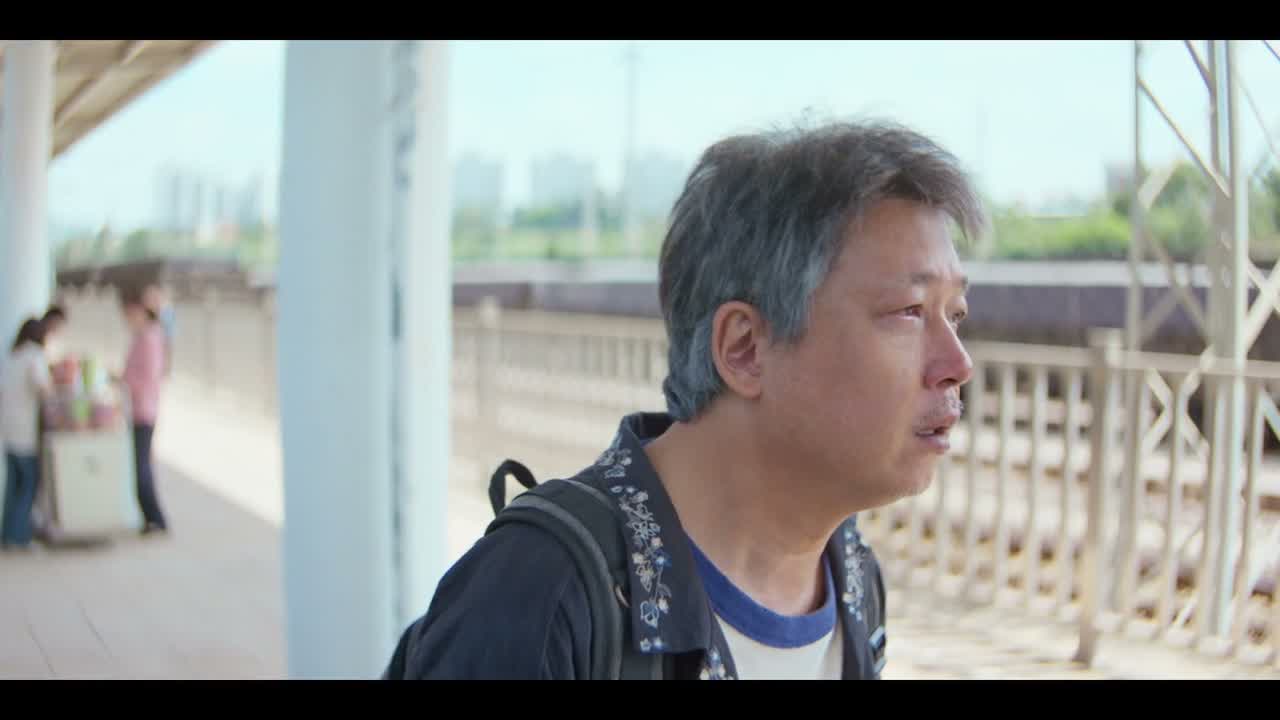
“Not even once more. You just want to keep me in Weiyang”

“why do we have to leave Weiyang? You ask why? I'll tell you why!”
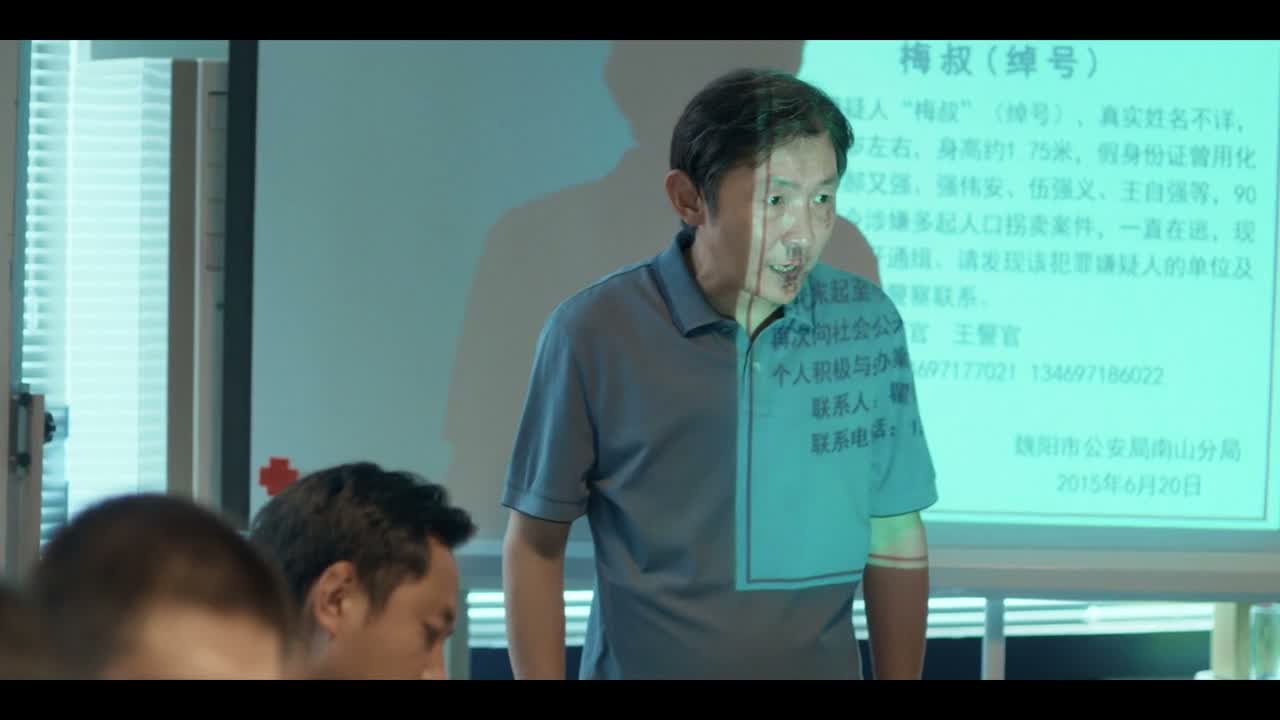
“- has left Weiyang with the victims. - Got it.”

“every maid in Weiyang refused to work for him.”