都来新人了 那就不能再是小白杨了吧 老白杨啊
“Since a newcomer is here, I can't be Little Bai Yang anymore, right? So Old Bai Yang?”
THE DIALOGUE REEL
大刘哥好 你好 白杨 我们都叫他小白杨
“Hello, Liu. Hello. Bai Yang. We all call him Little Bai Yang.”
都来 新人 了 那就 不能再是 小白杨 了 吧 老白杨 啊
“Since a newcomer is here, I can't be Little Bai Yang anymore, right? So Old Bai Yang?”
大白哥 以后叫我小杰就行 看看人家 未来可期啊
“Bai. Just call me Yaojie in the future. Look at him. He has a bright future.”
Direct spoken expression in this communicative setting.
Addressing colleagues as 'Xiao' (Little) denotes youth or juniority, while 'Lao' (Old) signals veteran status and familiarity; shifting from Xiao to Lao marks a career milestone.
LEARNING CHUNKS & PARTICLES
newcomer; rookie
Widely used in office environments to describe new hires or team members.
can no longer be
Used to denote a necessary change in identity, role, or habit based on shifting circumstances.
Marks the emergence of a new state where newcomers have officially entered the scene.
Softens the rhetorical assertion, inviting consensus and amusement from the listener.
Adds emotional warmth and playful emphasis to the suggested new nickname.
VOCABULARY & EXPRESSIONS
Parallel Spoken Cinema Scenes (语义近邻切片)
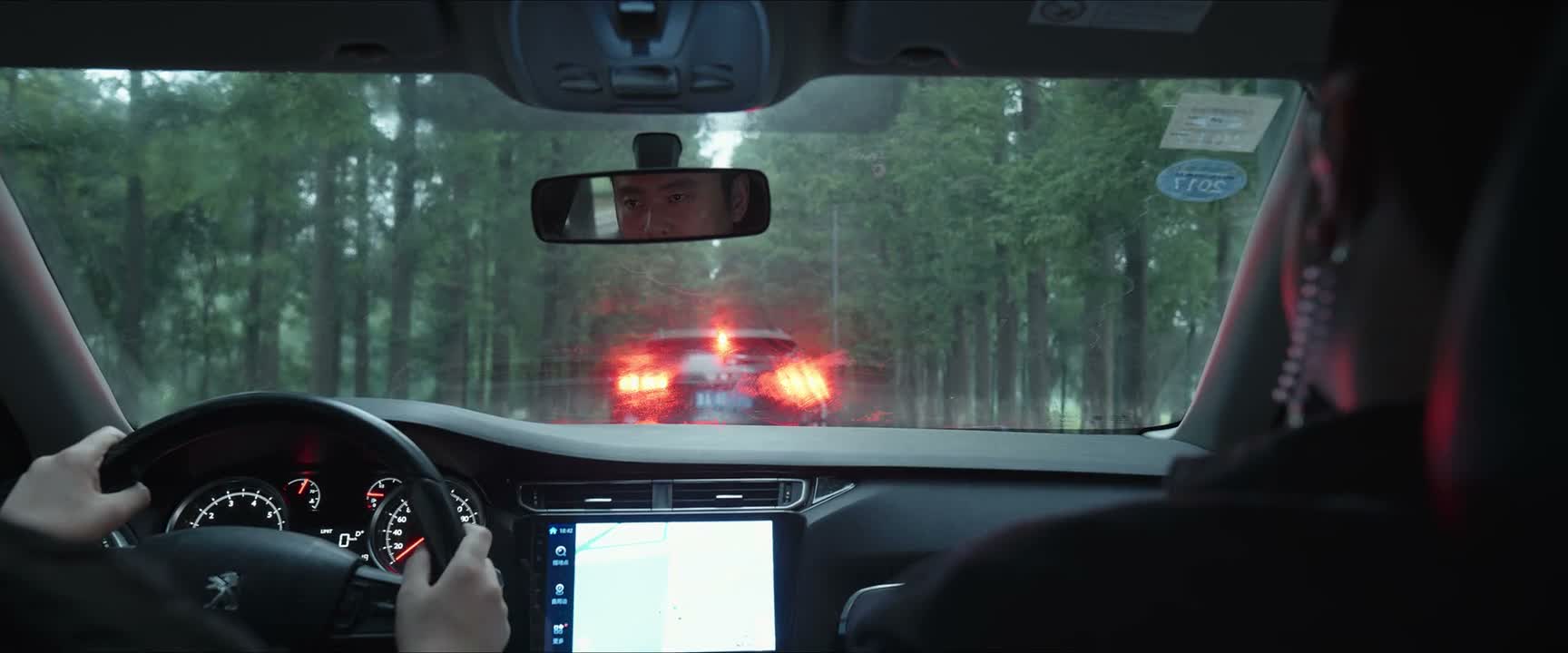
“Bai Yang, what's going on ahead? We're stuck here.”
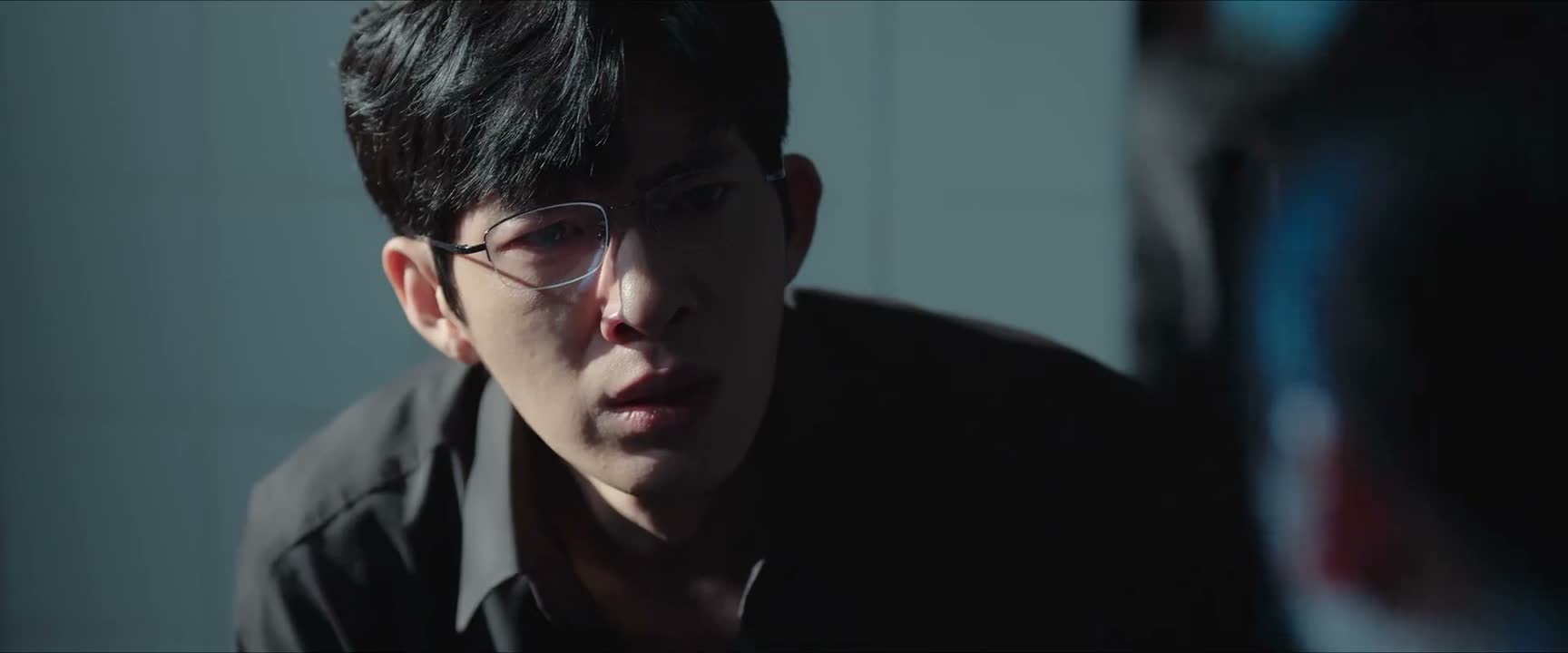
“Give me the phone. I... I will go find Bai Yang.”
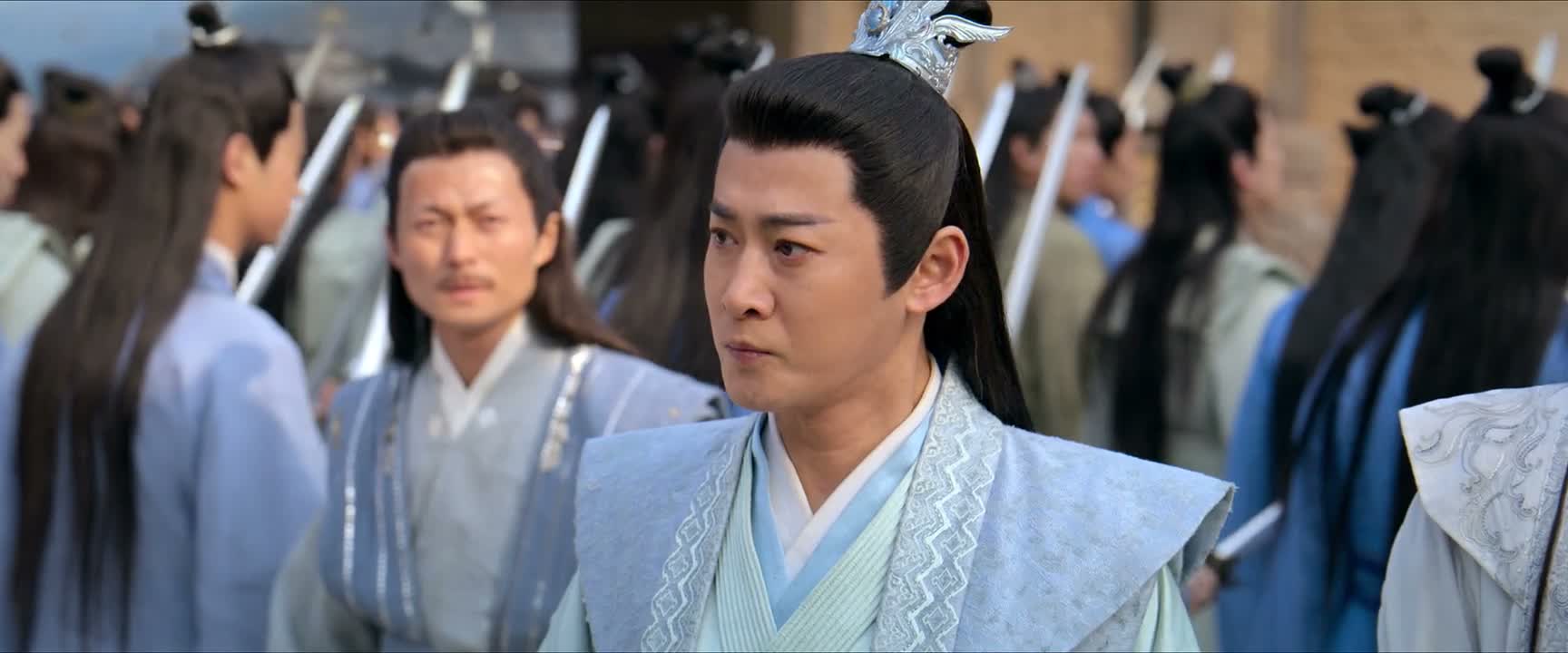
“please take a trip with Bai.”

“Thank you, Chief Luo. You may leave now.”

“What are you doing? Bai herself agreed to be transferred back.”

“the old ones leave and no new ones come.”