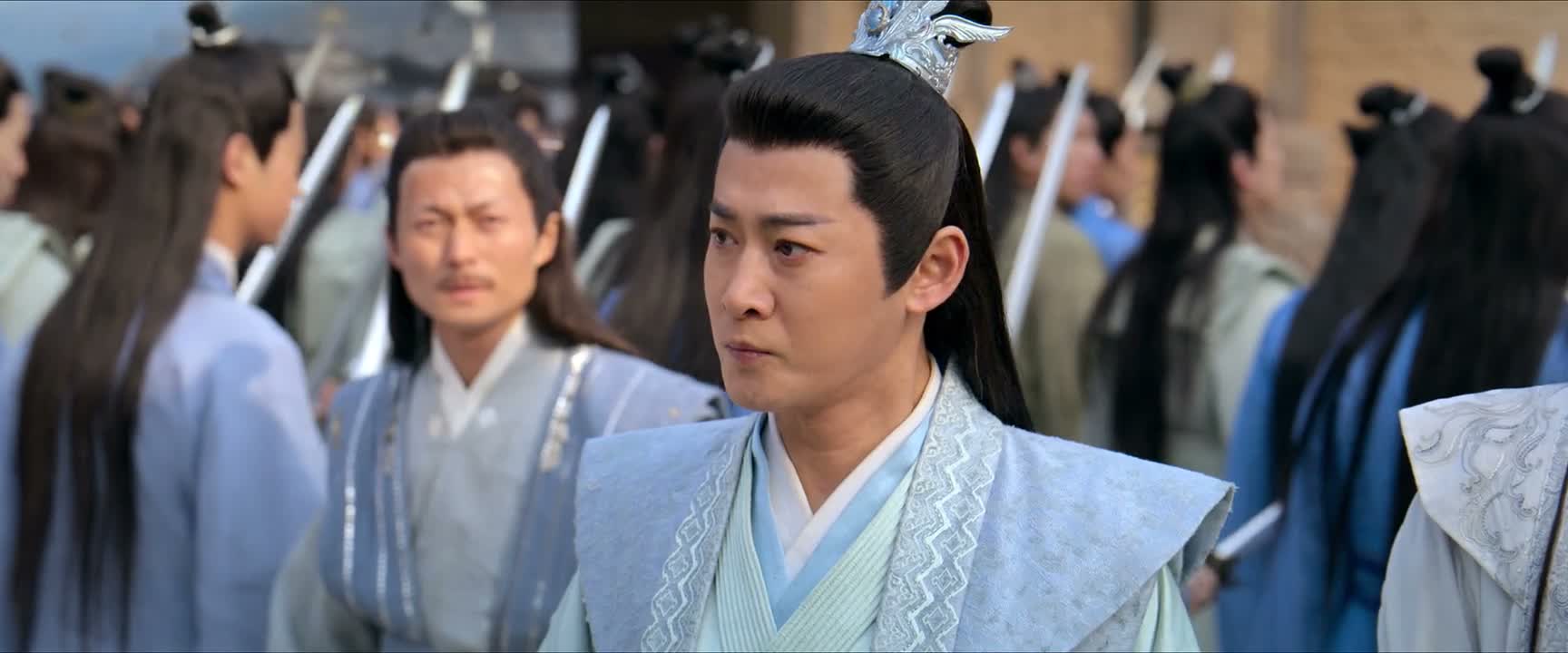
你干什么呀 小白自己 也同意调回去的
“What are you doing? Bai herself agreed to be transferred back.”
THE DIALOGUE REEL
说话
“Speak.”
你干什么 呀 小白 自己 也 同意 调回去 的
“What are you doing? Bai herself agreed to be transferred back.”
吼什么呀
“Why are you yelling?”
“Stop taking your anger out on me; this was Xiao Bai's own choice, not my fault.”
In Chinese work culture, personnel reassignments often involve interpersonal politics, making personal willingness a crucial shield against accusations of unfair treatment.
LEARNING CHUNKS & PARTICLES
What are you doing? / What is your problem?
A common blunt challenge used when another person's emotional outburst or actions seem unjustified.
to transfer back
Frequently used in institutional or workplace contexts to denote reassigning personnel to their original department or location.
Softens the phonetic harshness of the question while conveying impatience or exasperation.
Used at the end of the sentence to emphasize certainty and confirm the reality of Xiao Bai's agreement.
VOCABULARY & EXPRESSIONS
Parallel Spoken Cinema Scenes (语义近邻切片)
“please take a trip with Bai.”

“Now that Bai is okay, it's time to head out.”

“Sis Bai, I've caused you trouble these few days.”

“Miss Bai! Let me in! He is busy! Miss Bai! Miss Bai...”

“Qian Fei, you brought your pretty boy to our blind date? Who are you calling a pretty boy?”

“Sis Bai. Sorry I was being rude just now. Let me introduce myself properly.”