也只怪她自己识人不明
“she only has herself to blame for misjudging him.”
THE DIALOGUE REEL
即便被绑
“Even if she was taken,”
也只怪她 自己 识人不明
“she only has herself to blame for misjudging him.”
此事事关重大
“This matter is serious.”
“She brought this disaster on herself, so don't expect us to save her.”
In Chinese culture, discerning another person's moral integrity (识人) is considered a vital life skill; failing to do so often carries moral culpability rather than pure victimhood.
LEARNING CHUNKS & PARTICLES
can only blame
Used to pin total responsibility on a specific person or circumstance when something goes wrong.
poor judgment of character; misjudging someone's true nature
A formal idiom used to describe trusting the wrong person, often leading to betrayal or harm.
VOCABULARY & EXPRESSIONS
Parallel Spoken Cinema Scenes (语义近邻切片)
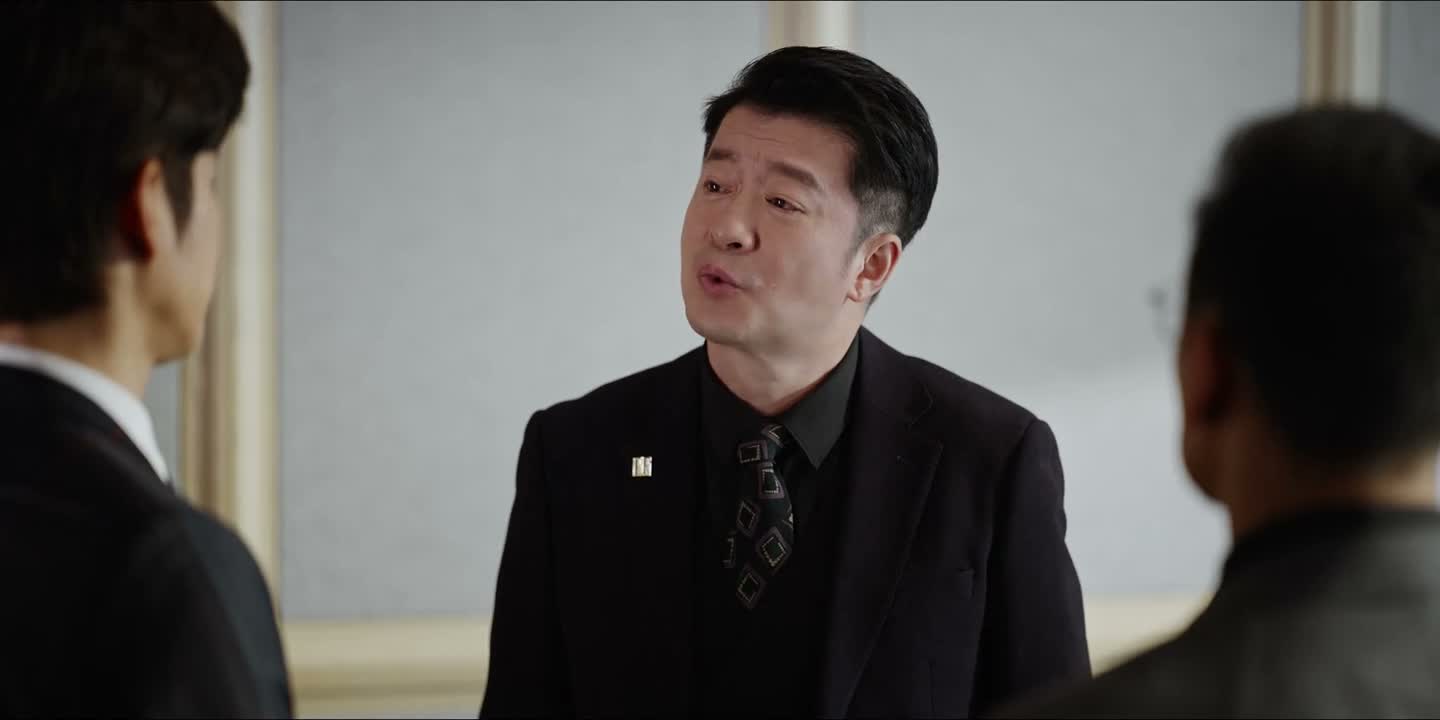
“It's my fault for trusting the wrong people.”

“blame her bad fate”

“I don't blame him at all. I only blame myself.”

“I wasn't paying attention either”

“But she was framed.”

“Then blame yourself”