以前都好 怎么今天就犯病了 你干什么了你
“He was just fine. How did it happen? What did you do?”
THE DIALOGUE REEL
以前 都好 怎么今天 就 犯病了 你干什么 了你
“He was just fine. How did it happen? What did you do?”
“We were watching TV, and he grabbed the remote from me.”
“He was completely fine until you came along, so confess what you did to trigger him.”
In Chinese domestic conflicts involving vulnerable dependents, mothers often instinctively accuse other family members of negligence or intentional provocation.
LEARNING CHUNKS & PARTICLES
to have a relapse; to suffer a medical or psychological flare-up
Commonly used colloquially for either sudden physical illnesses or psychiatric/emotional outbursts.
what did (you) do
A highly accusatory colloquial question implying the listener did something wrong to cause a problem.
Marks a change of state (falling ill) and completes the past-action inquiry.
VOCABULARY & EXPRESSIONS
Parallel Spoken Cinema Scenes (语义近邻切片)

“I was wrong before.”

“They were fine yesterday. Why are they arguing today?”
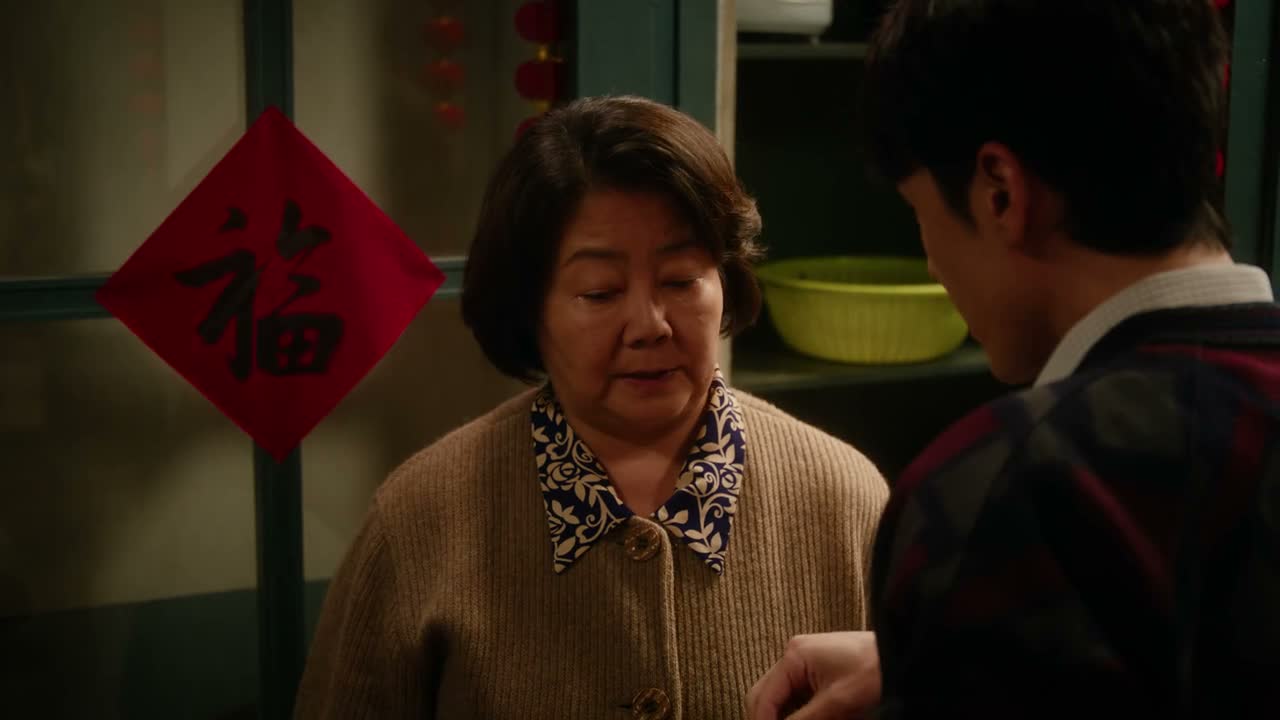
“his old condition flared up a while ago.”

“I thought you two were doing great before this. It's been over a year since I returned to the city.”
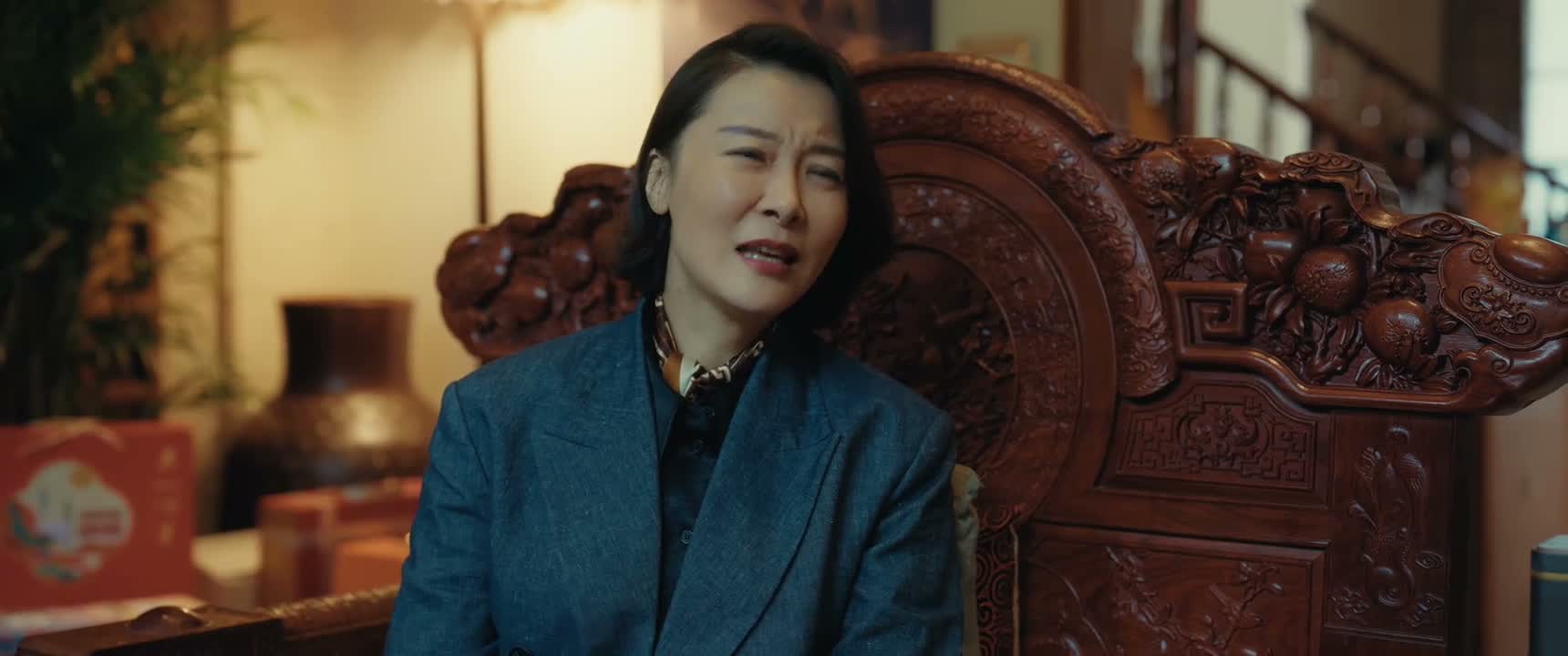
“why can't you break your old habits?”
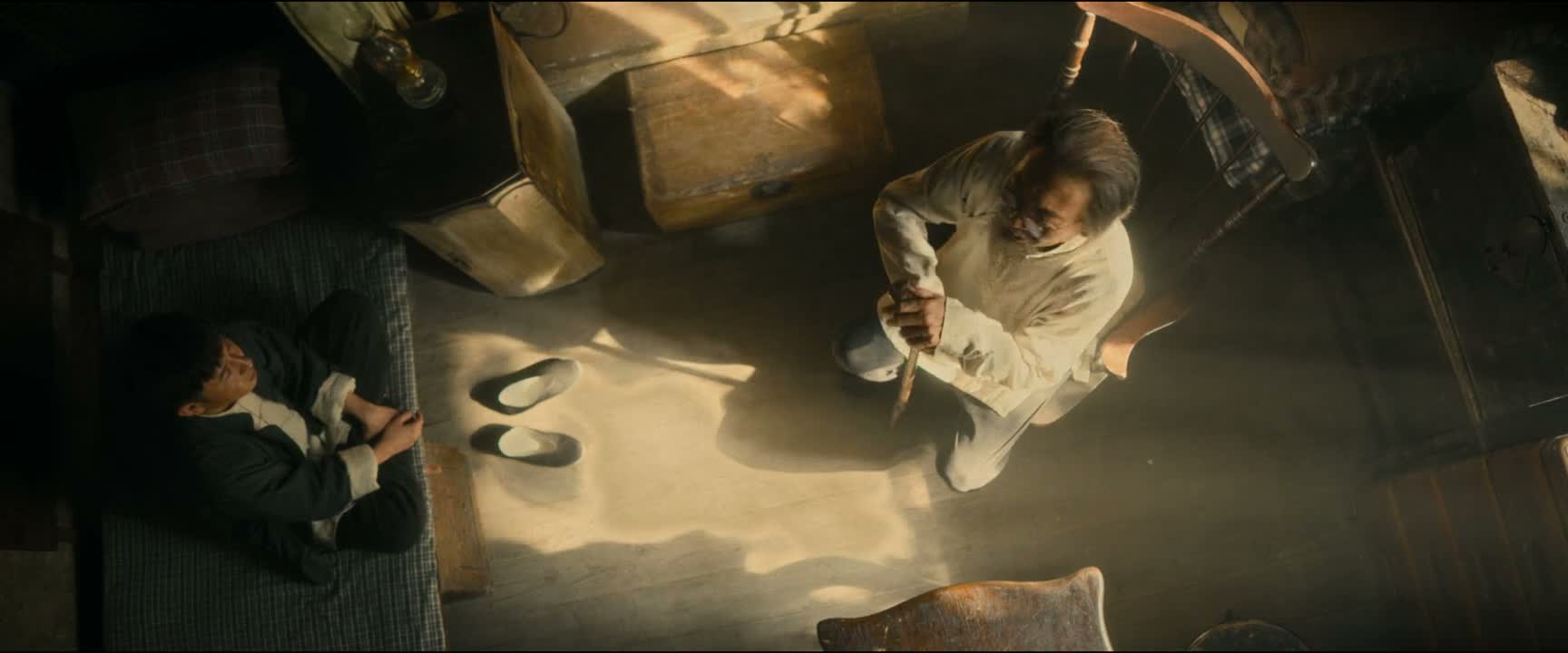
“My old habit flared up again.”