这是咱俩办公室吗 咱俩咋分啊
“Is this our office? How do we split it?”
THE DIALOGUE REEL
这 是 咱俩 办公室 吗 咱俩 咋分 啊
“Is this our office? How do we split it?”
你大一点 你加一个隔断 有点太通透了是不是有点
“You take the bigger side and put up a divider. It's a little too open, isn't it?”
Direct spoken expression in this communicative setting.
Using 'zan' instead of 'wo' emphasizes an intimate peer relationship and shared identity among close coworkers or classmates.
LEARNING CHUNKS & PARTICLES
the two of us
Highly colloquial Northern Chinese pronoun that creates an immediate sense of camaraderie.
how to divide / how to split
Informal Northern spoken equivalent of 'zenme fen' (怎么分).
Softens the interrogative question and conveys casual, collegial openness.
VOCABULARY & EXPRESSIONS
Parallel Spoken Cinema Scenes (语义近邻切片)
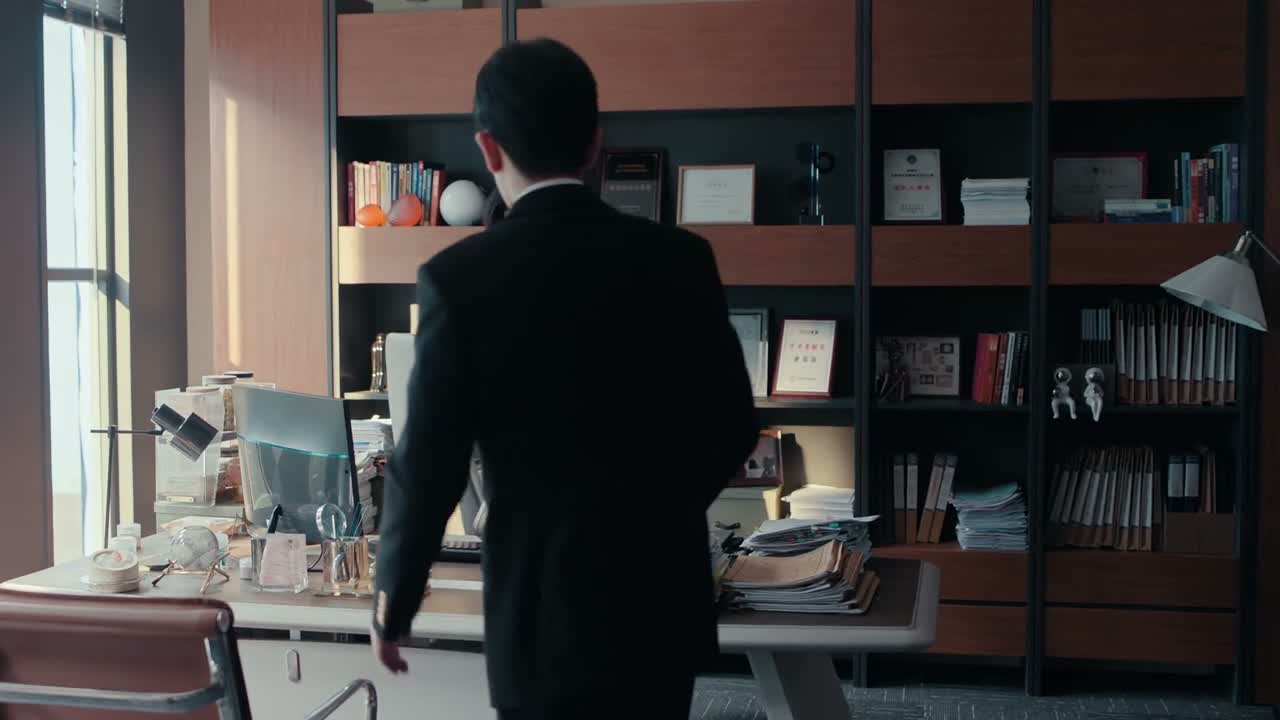
“squabbled at my office,”
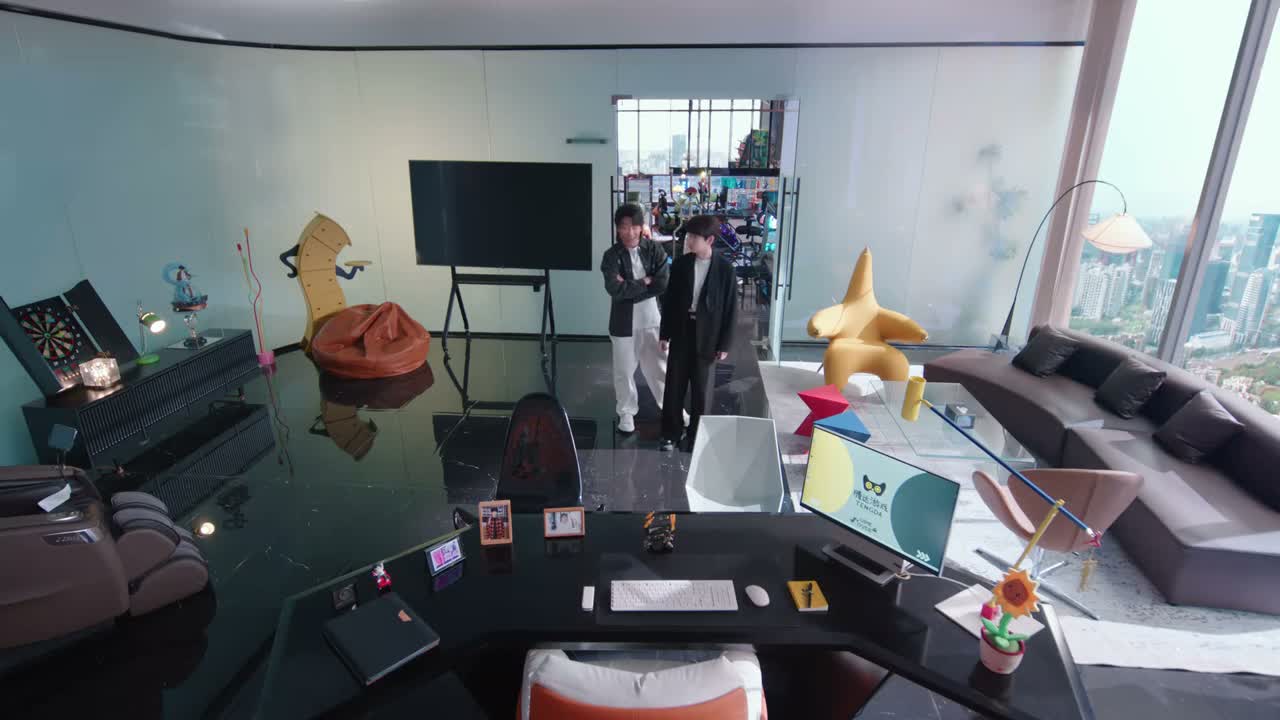
“Why did my office turn into something like this?”

“Do you think my office is a place”

“If people in the office find out, they'll make up all kinds of stories.”