这咋不能吃嘛 这不留的有嘴呢吗
“Why can't he? I left his mouth clear.”
THE DIALOGUE REEL
你给包成这了 能吃饭吗
“Can he even eat now?”
这咋 不能吃 嘛 这不 留的有嘴 呢 吗
“Why can't he? I left his mouth clear.”
爸 你咋成这了
“Dad, how did you end up like this?”
“Quit making such a fuss, my mouth is open so I can eat just fine.”
Chinese parents often react defensively or grumpily to their children's concern about injuries to project strength and avoid emotional indulgence.
LEARNING CHUNKS & PARTICLES
why can't; of course one can
Northern/dialectal colloquial phrase functioning as a rhetorical rebuttal to 'can't'.
there is left / kept
Dialectal colloquial pattern emphasizing that a specific opening or portion has been preserved.
Conveys that the fact should be obvious and questions why the other person is asking.
Marks a rhetorical question to point out the visible opening of the mouth.
VOCABULARY & EXPRESSIONS
Parallel Spoken Cinema Scenes (语义近邻切片)

“I can't eat this thing and it's ugly too.”

“Have you eaten? Want me to save you some? No, I've eaten.”
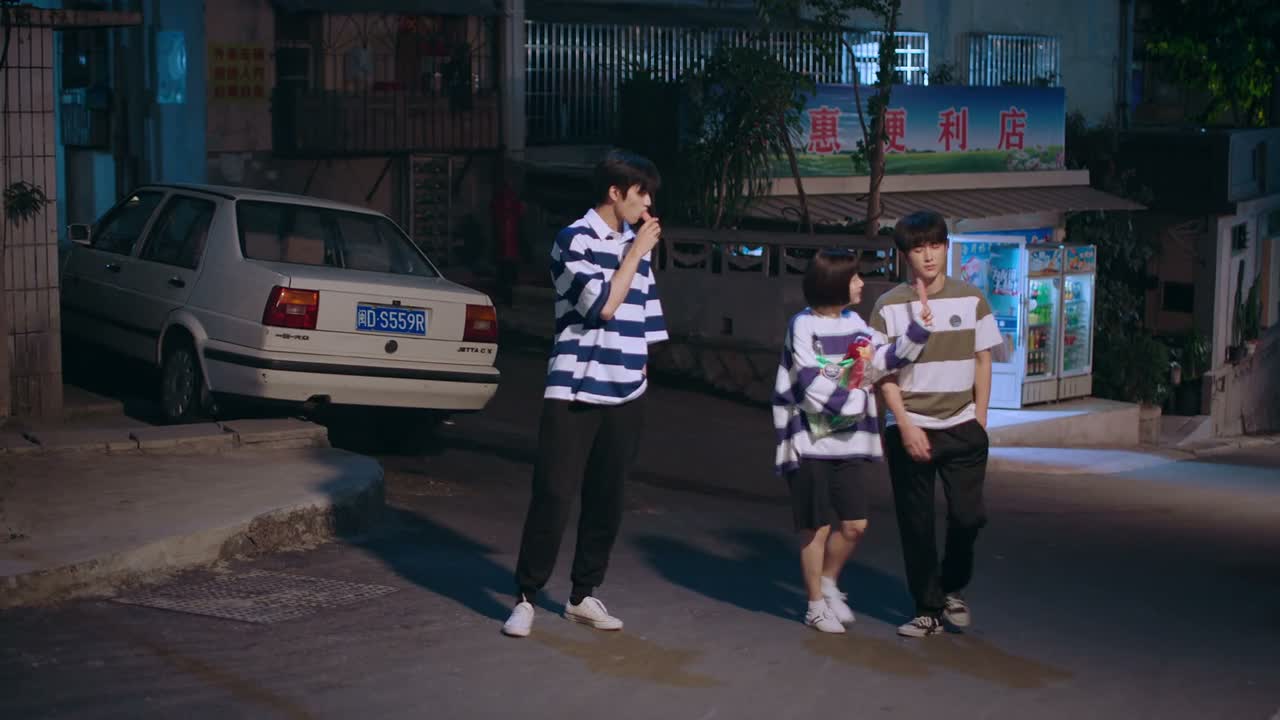
“No. There is all your saliva.”

“I have to eat it? It's like this now. Can it still be eaten?”

“Then try some of this. - Have this. - Don't trouble yourself.”

“Why can't you eat this?”