你叫什么名字呀 我叫任小名
“What's your name? My name is Ren Xiaoming.”
THE DIALOGUE REEL
你叫什么名字 呀 我叫 任 小名
“What's your name? My name is Ren Xiaoming.”
你们是同学
“Are you classmates?”
Direct spoken expression in this communicative setting.
Using gentle sentence-final particles like 'ya' when asking personal questions helps create an approachable, non-threatening atmosphere for children and new acquaintances.
LEARNING CHUNKS & PARTICLES
what is (your) name
The most common everyday phrase to ask someone's name, especially appropriate when addressing peers or children.
my name is / I am called
Standard casual formula used to introduce one's own full name or given name.
Softens the direct question, adding warmth, gentleness, and friendliness.
VOCABULARY & EXPRESSIONS
Parallel Spoken Cinema Scenes (语义近邻切片)

“Ren Xiaoming! Ren Xiaoming! Ren Xiaoming stabbed my leg! Ren Xiaoming stabbed a big hole in my leg!”

“What's your name?”
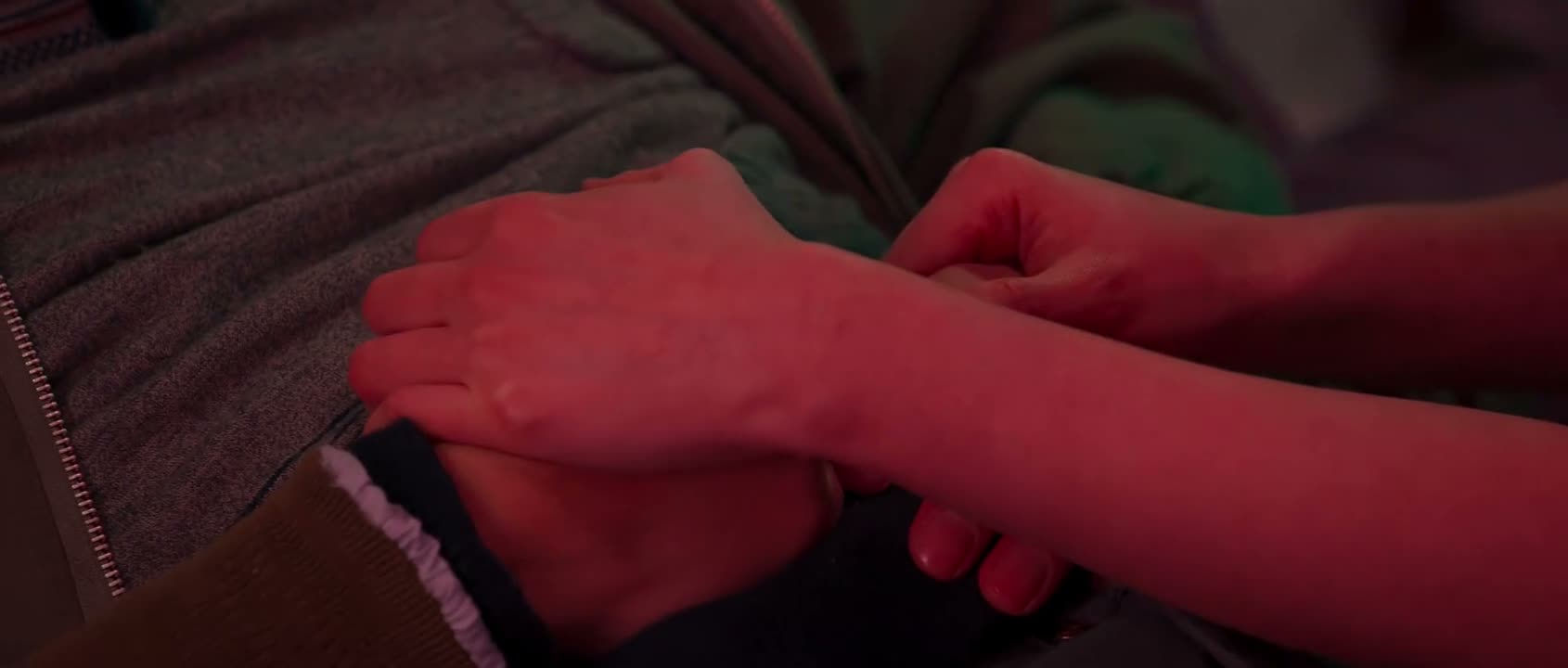
“What's your name?”

“What is your name? Yes, yes.”

“What's my name?”

“Ren Xiaoming treated you like dirt. Haven't you had enough?”