蒋诚就是我儿子了 你们谁敢再说他没爹妈
“Jiang Cheng is my son! None of you shall say he has no parents again!”
THE DIALOGUE REEL
我是警察没错 但我同时是孩子的爸爸 从今天开始
“I am a cop, yes, but I am also his father! From today on,”
蒋诚 就是我 儿子 了 你们 谁敢再说 他 没爹妈
“Jiang Cheng is my son! None of you shall say he has no parents again!”
哥哥 我们一起干杯 好啊妹妹 来 我也来我也来
“Brother! Let's make a toast! Sure, sister. Come on. Me too! Me too!”
Direct spoken expression in this communicative setting.
In Chinese society, lacking parents ('没爹妈') leaves a child vulnerable to deep social stigma; publicly claiming paternity restores face, honor, and legitimate backing to the child.
LEARNING CHUNKS & PARTICLES
who dares to say again
A rhetorical challenge used as a direct warning to forbid others from repeating an offensive claim.
having no mother or father; orphan
A harsh, colloquial label that carries strong stigma when applied to children.
Signifies a new official status of adoption and the definitive end of the child's orphanhood.
VOCABULARY & EXPRESSIONS
Parallel Spoken Cinema Scenes (语义近邻切片)
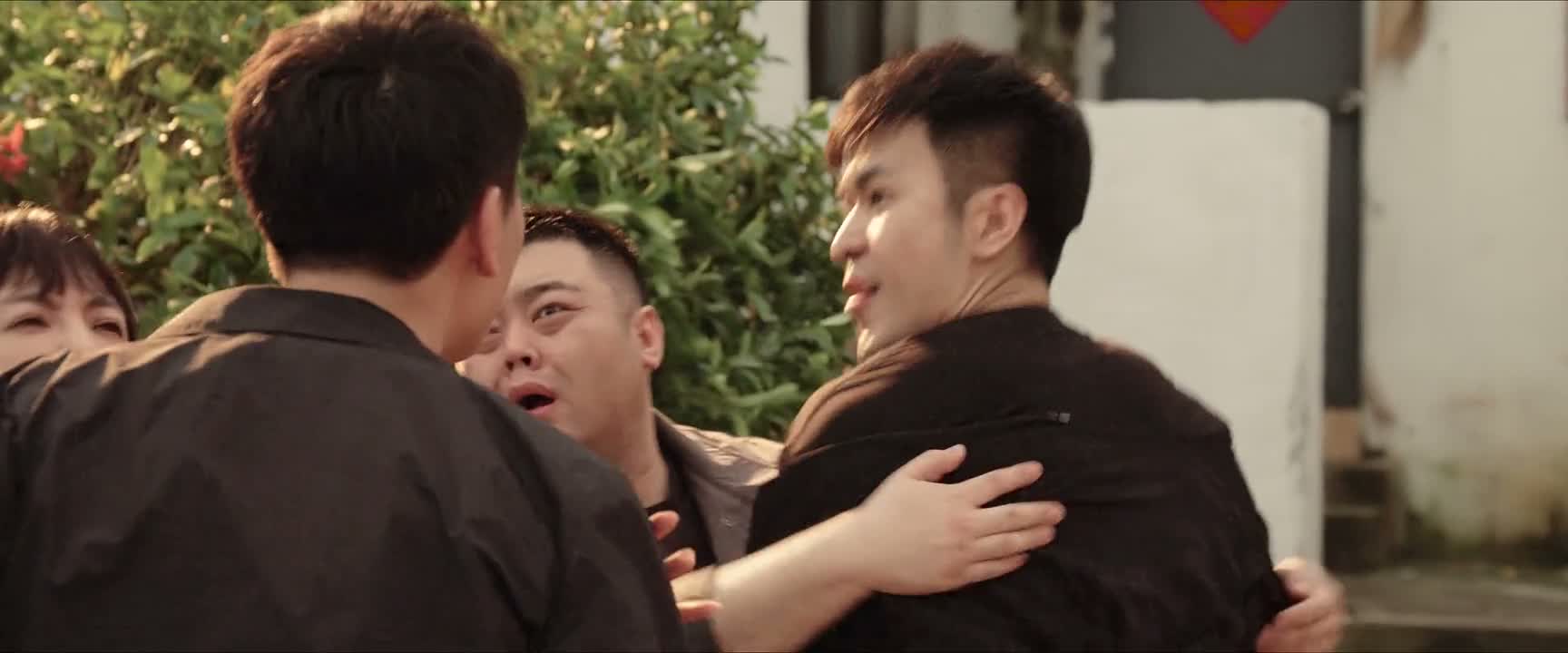
“What are you doing, Jiang Cheng? Can you talk like a normal person? Can you? Stop fighting!”
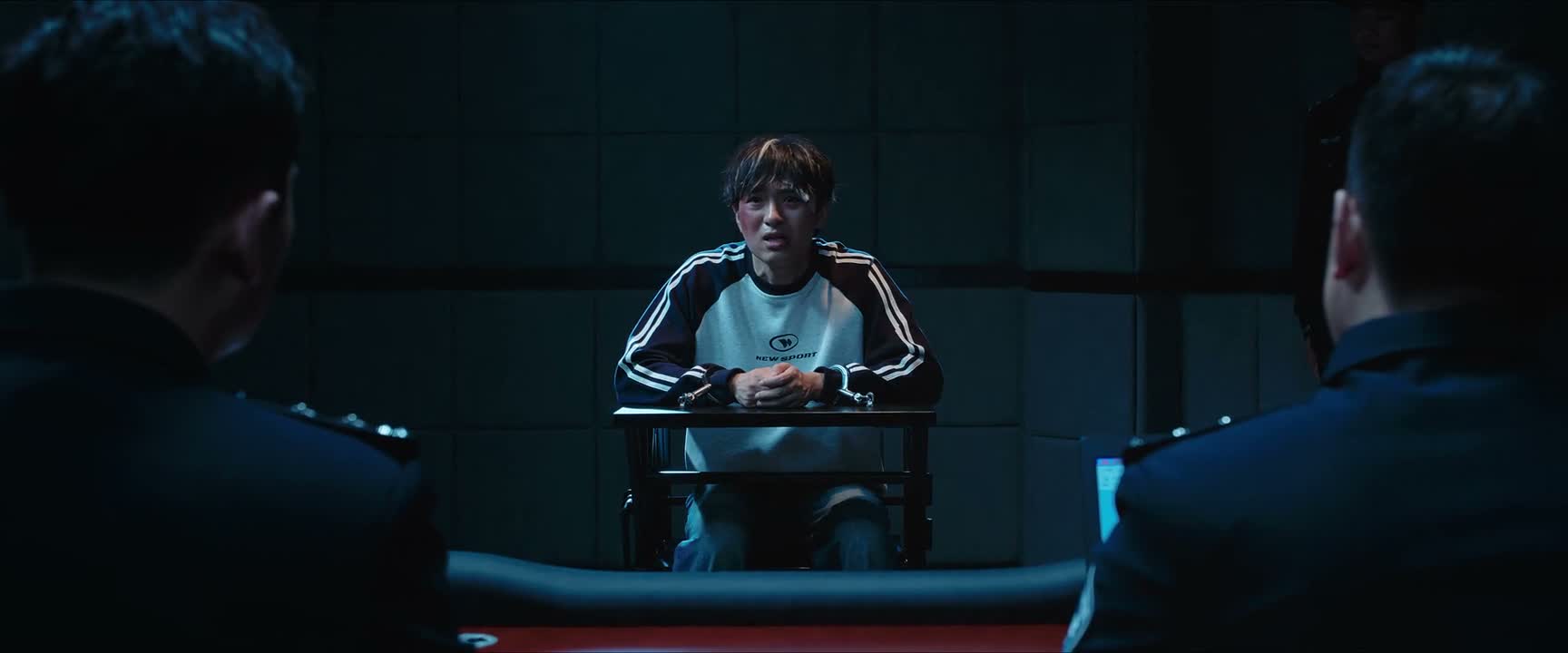
“Jiang Cheng would end him. Explain.”
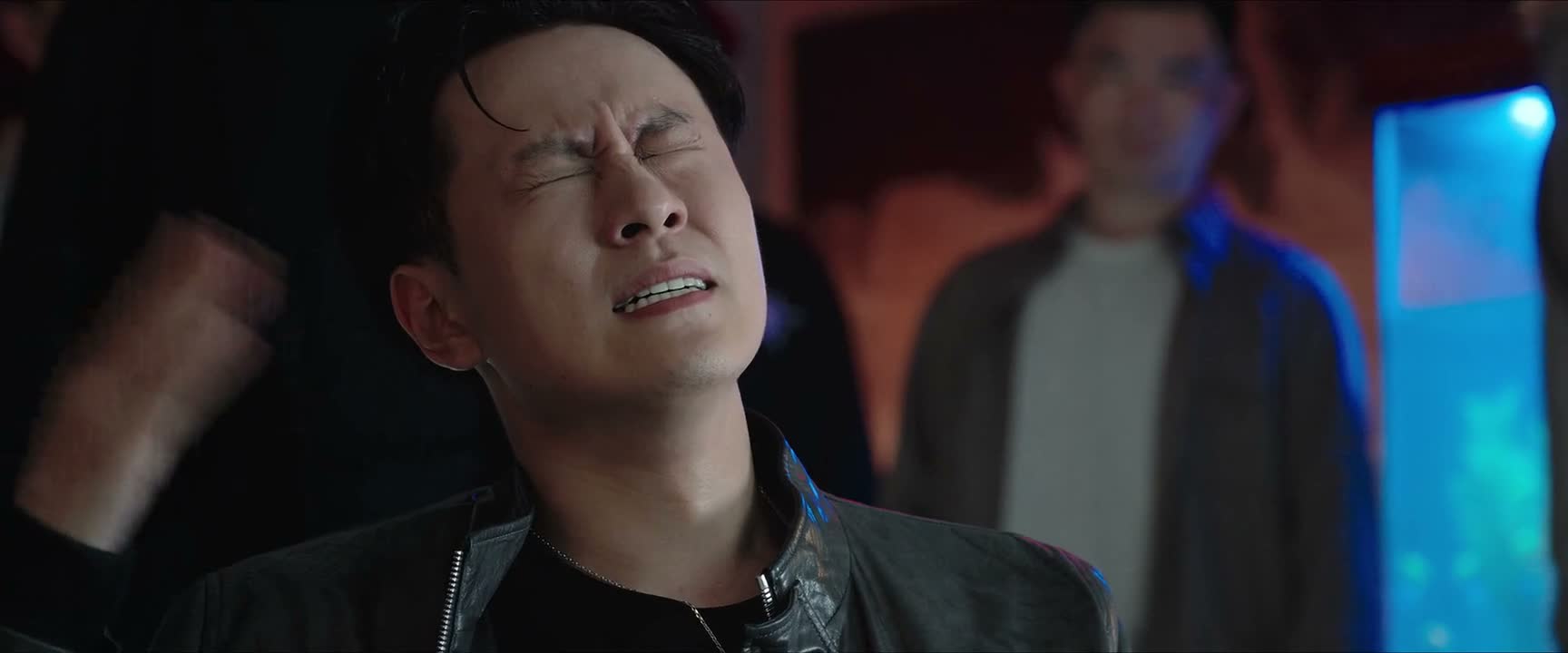
“Jiang Cheng, are you crazy? What are you doing?”
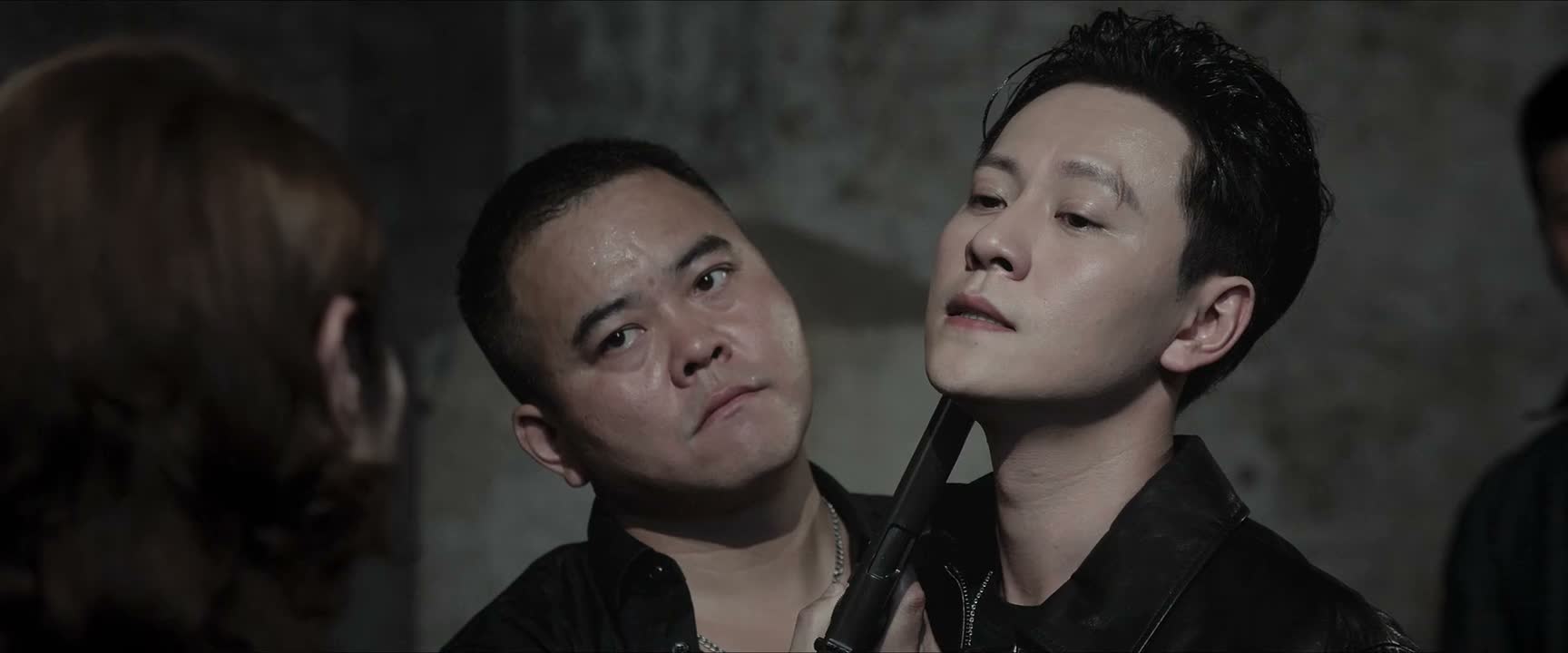
“Jiang Cheng, you are quite cute.”
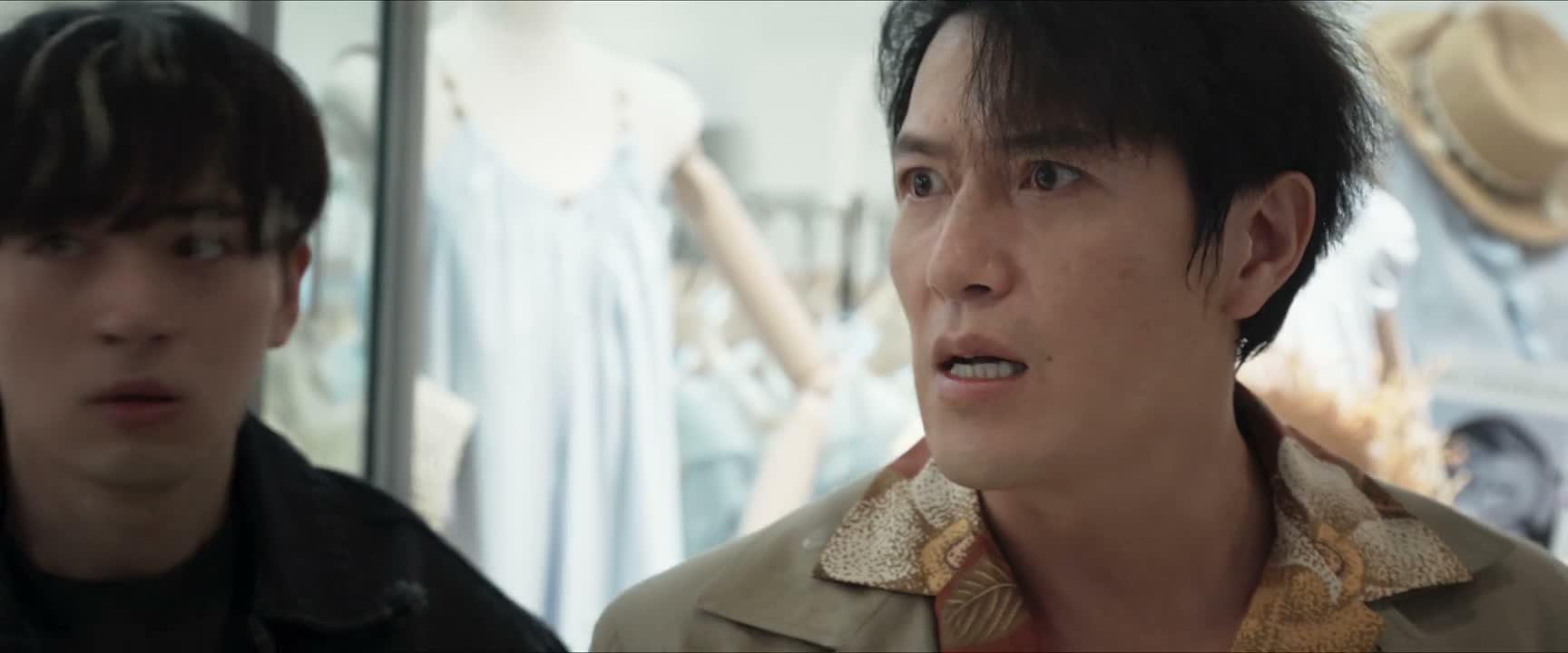
“Jiang Cheng, are you crazy? You dare hit me?”
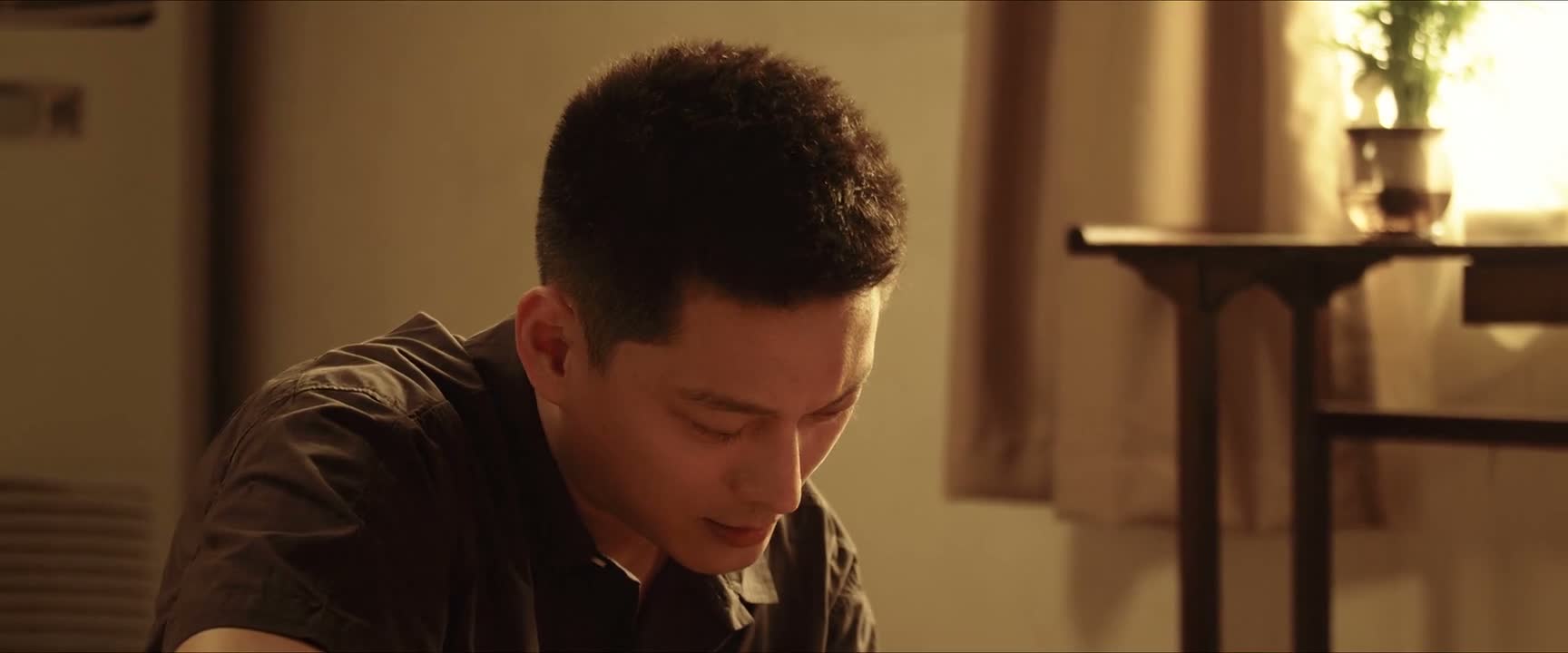
“Is Jiang Cheng really that good?”