没伤到骨头 只是破了个口子 一周就好了
“No bones were broken. It's just a cut. It will heal in a week.”
THE DIALOGUE REEL
“How is it? What did the doctor say?”
没伤到骨头 只是 破了个口子 一周 就好了
“No bones were broken. It's just a cut. It will heal in a week.”
那就好
“That's good.”
Direct spoken expression in this communicative setting.
When sharing health news, speakers often minimize minor injuries using phrases like '只是' (just) to prevent loved ones from worrying excessively.
LEARNING CHUNKS & PARTICLES
injure / hurt (a specific part)
A common resultative verb compound used to specify the physical structure affected by injury.
got a cut / broke the skin
A standard everyday colloquial idiom used to describe minor lacerations or skin cuts.
will be fine / all healed
Used to reassure someone that a situation or condition will recover fully in a given time.
Used to denote completion in '破了个口子' and expected realization in '就好了'.
VOCABULARY & EXPRESSIONS
Parallel Spoken Cinema Scenes (语义近邻切片)

“His wounds have been treated. But it's a pretty serious injury.”

“Her wounds are healing quickly. She'll be fine.”

“The wound isn't too deep. He's had a tetanus shot.”

“It's just a scratch. I told you I'm okay.”
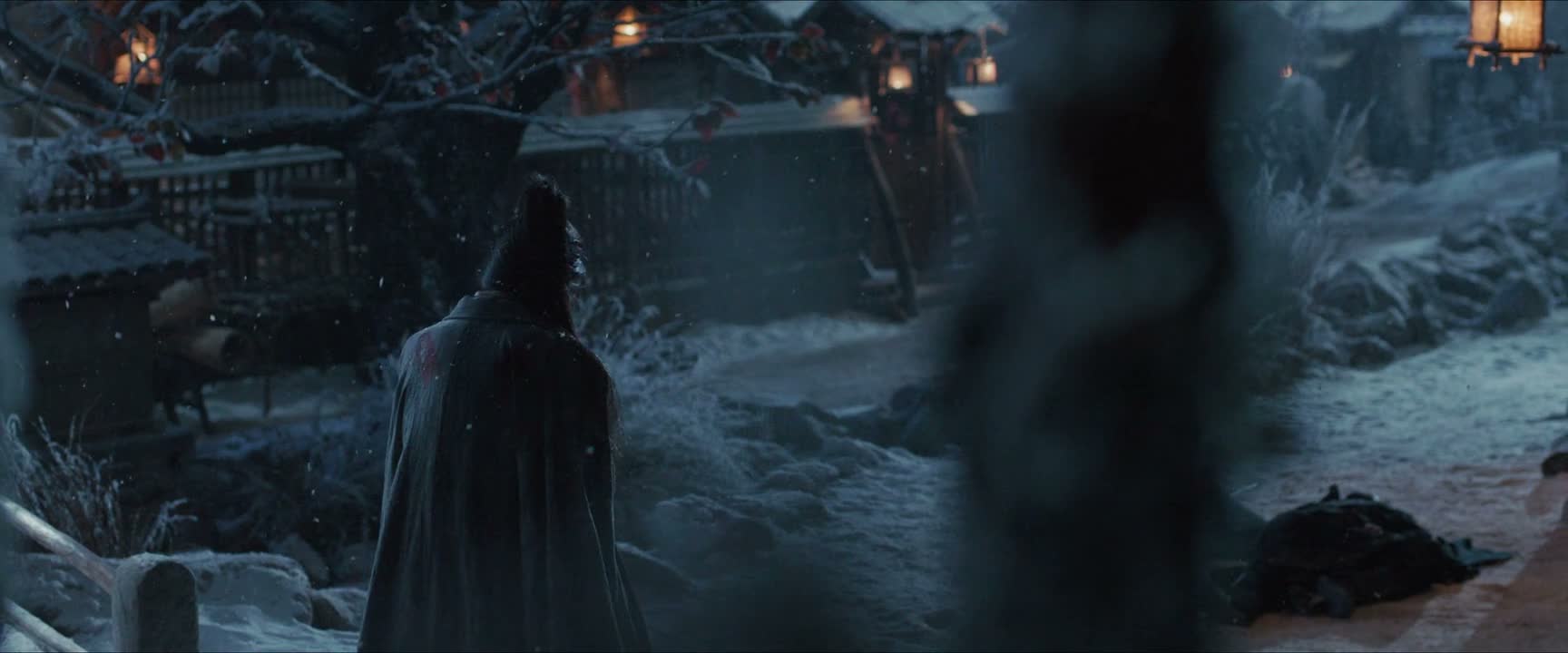
“There are no new wounds.”

“Just some minor injuries. I'm fine.”

“This minor scratch is no big deal. If there's nothing else,”