这么大一个祖庭 怎么弄上船的 是不是一群当兵的
“How could such a big ancestral shrine be brought aboard? Was it a group of soldiers?”
THE DIALOGUE REEL
把这个邪神祖庭弄上船的人
“the one who brought this Evil God's ancestral shrine aboard?”
这么大一个 祖庭 怎么弄上船的 是不是 一群当兵的
“How could such a big ancestral shrine be brought aboard? Was it a group of soldiers?”
这样 我问你啊 你在床上刻的那个NP
“Well, let me ask you. Is the "NP" you carved on the bed”
“You couldn't have pulled this off alone; admit that the military helped you.”
Chinese speakers heavily rely on dummy verbs like '弄' in spoken language to replace specific action verbs when the exact method is messy or unspecified.
LEARNING CHUNKS & PARTICLES
soldiers; servicemen
A colloquial way to refer to military personnel or enlisted soldiers.
get (something) onto the ship
Uses the highly versatile verb '弄' (to manage/handle/get) to describe a physical, often secretive, logistical effort.
VOCABULARY & EXPRESSIONS
Parallel Spoken Cinema Scenes (语义近邻切片)
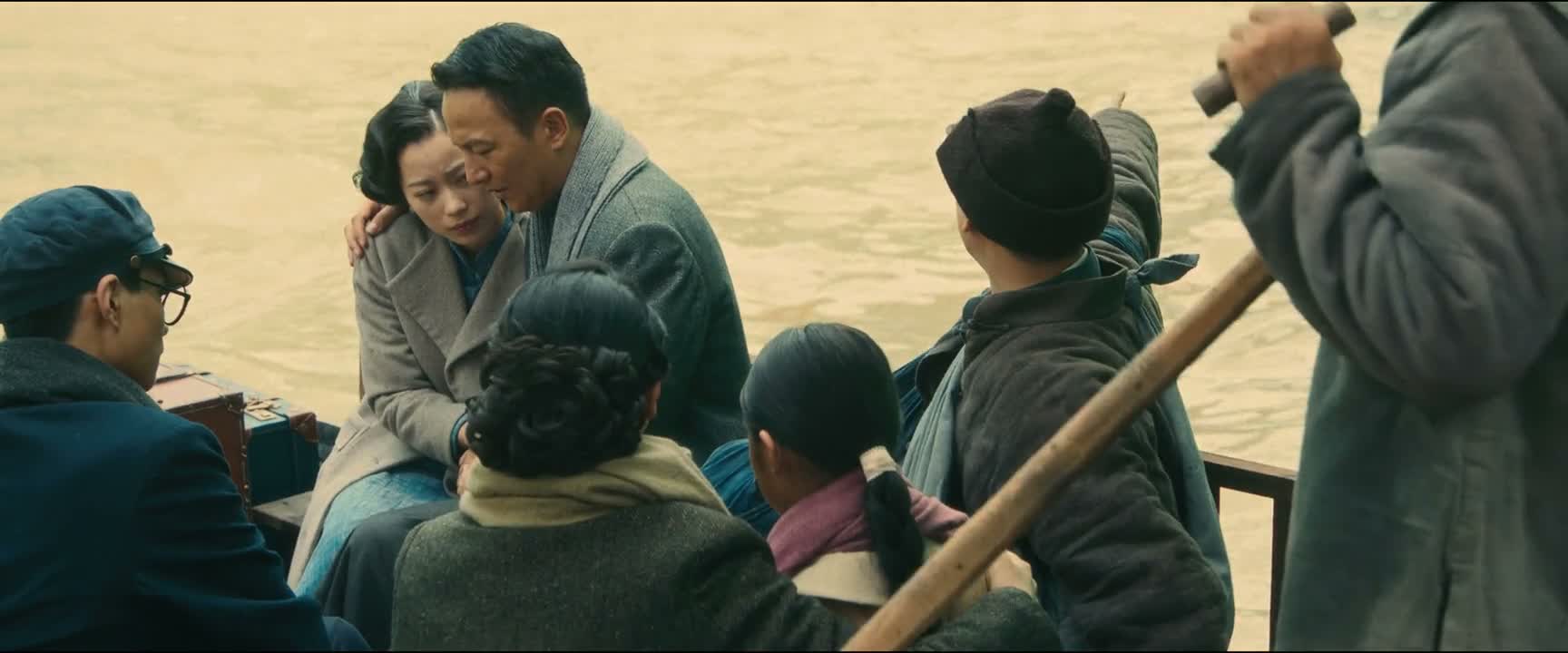
“can you detour to the boat going to Shanghai?”

“we wanted to swim to the other shore, ♪ And say, as if it's nothing, "How have you been lately?" ♪”

“have a large ancestral mansion.”

“Let's get ready for boarding.”

“Was there a man who was over six chi tall and in a hurry?”

“Your ancestor's underground palace is amazing.”