你要不想吃你可以别吃
“Then starve yourself.”
THE DIALOGUE REEL
更是没把我当人
“nor me like a person.”
你要不想 吃 你可以 别吃
“Then starve yourself.”
好吃吗
“Is it good?”
“Stop complaining; no one is forcing you to eat if you don't appreciate it.”
Complaining about shared food or hospitality in Chinese culture is seen as disrespectful, often provoking sharp rebuttals telling the complainer to leave it entirely.
LEARNING CHUNKS & PARTICLES
if you really do not want to
A colloquial conditional structure commonly used when confronting someone's reluctance or bad attitude.
you can just not (do something)
Used to express an exasperated permission to abandon an activity rather than grumble about it.
VOCABULARY & EXPRESSIONS
Parallel Spoken Cinema Scenes (语义近邻切片)
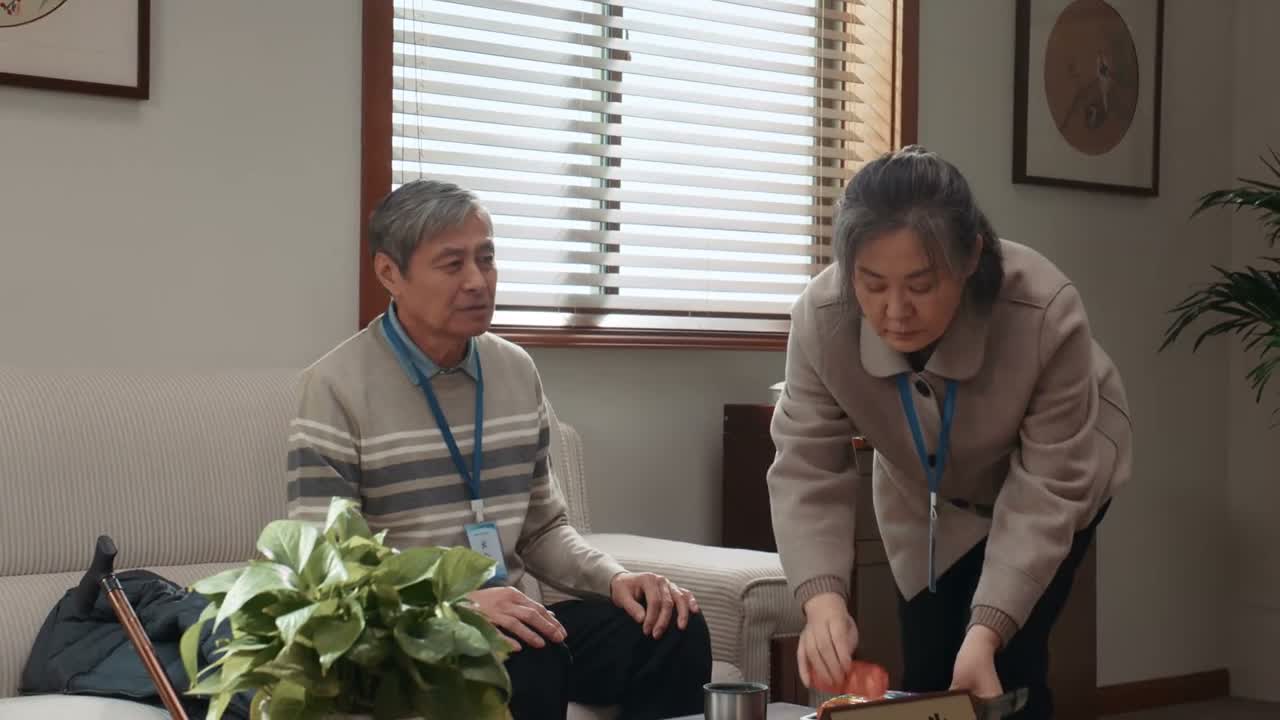
“I am not taking it. You have to.”

“Are you really not eating? Are you sure?”
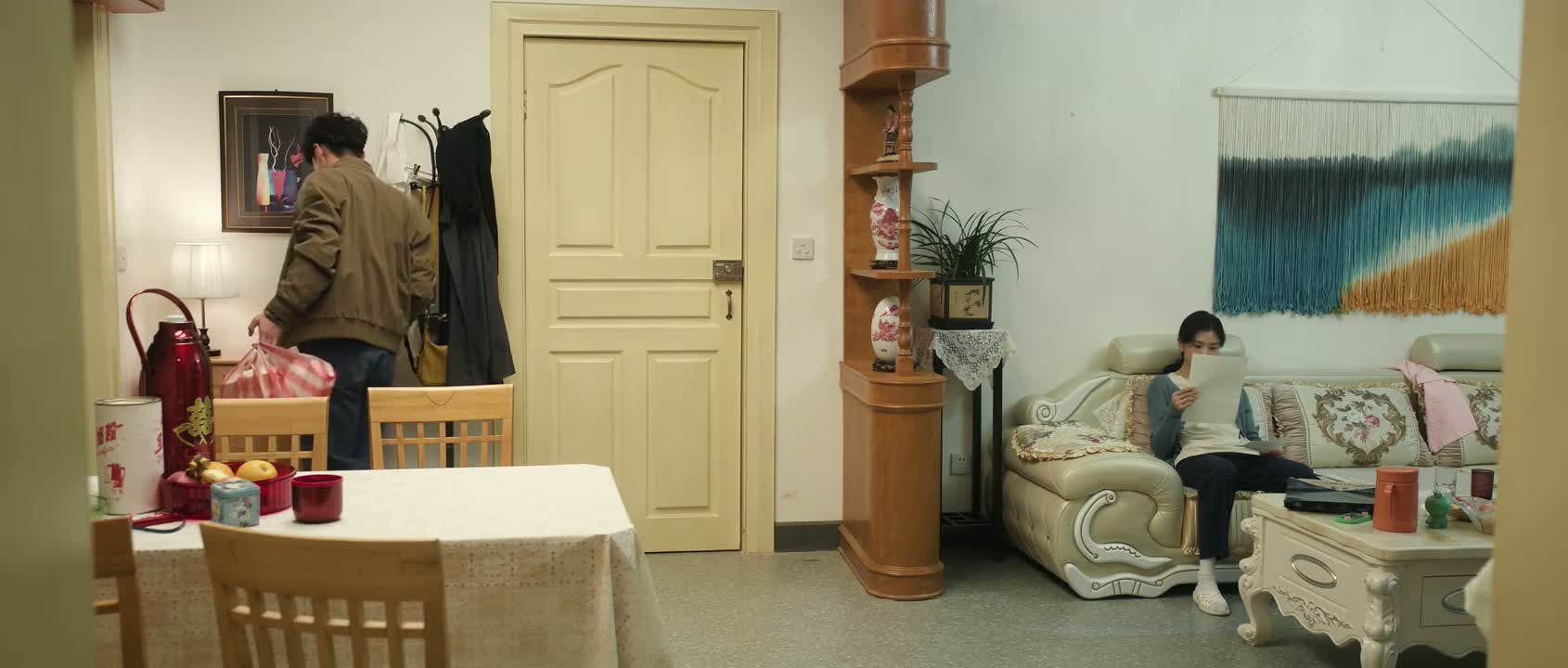
“At times like this, you should eat properly.”

“No. Seeing you kinda kills my appetite.”

“Then try some of this. - Have this. - Don't trouble yourself.”

“Then we'd better not eat anymore.”