你还记不记得 你小的时候 尖尖带你出去玩
“Do you remember when you were little, Jianjian took you out to play”
THE DIALOGUE REEL
你 还记不记得 你 小的时候 尖尖带 你出去 玩
“Do you remember when you were little, Jianjian took you out to play”
“and you fell down the stairs by accident?”
Direct spoken expression in this communicative setting.
Chinese elders often recount past childhood incidents to re-establish emotional intimacy with young adults after long separations.
LEARNING CHUNKS & PARTICLES
do you remember or not
A common affirmative-negative question form used in casual speech to prompt someone's recollection.
when (one was) little / during childhood
Widely used to introduce childhood anecdotes or reminisce about past events.
take you out to play
A standard spoken phrase describing an older child or adult taking a younger child out for fun.
VOCABULARY & EXPRESSIONS
Parallel Spoken Cinema Scenes (语义近邻切片)
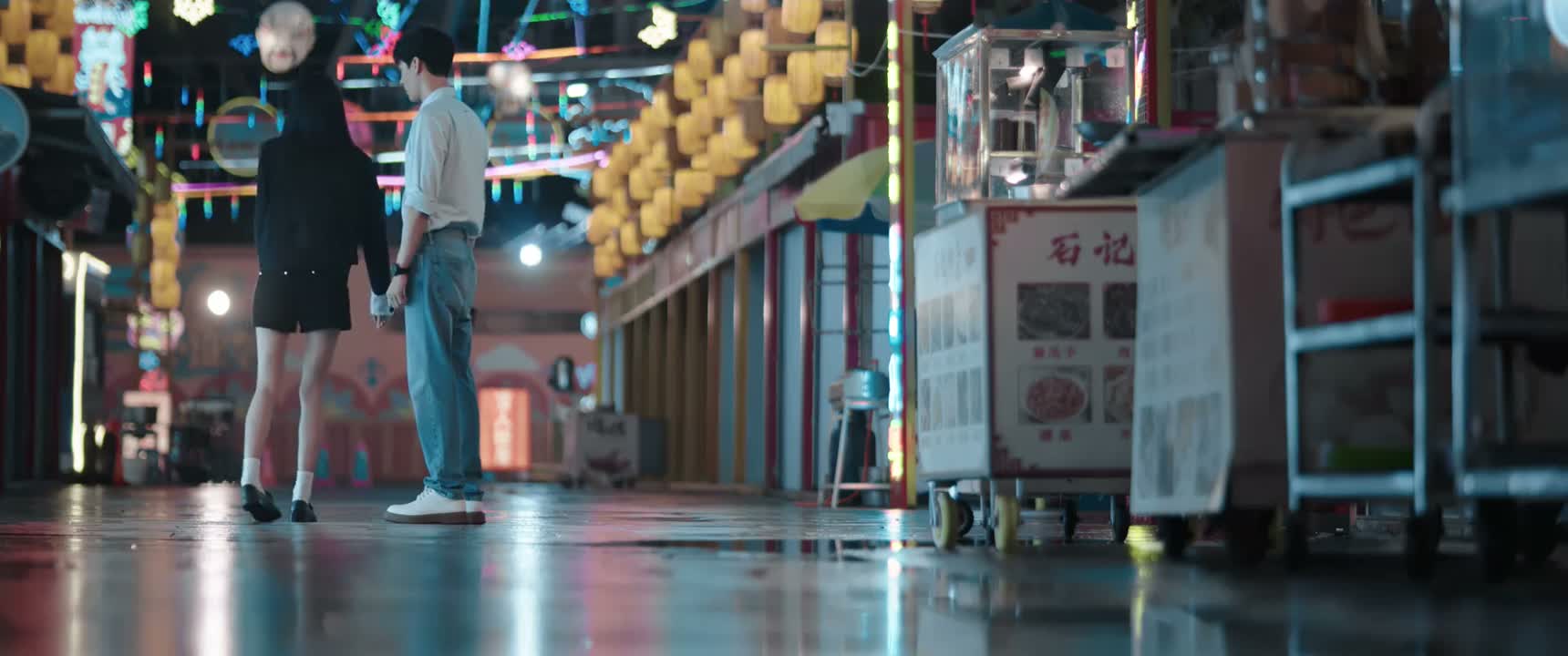
“Do you remember when we were kids?”

“Do you still remember Jianjian?”

“Do you remember? When we first met,”

“Oh right, you were kicked out as a child”
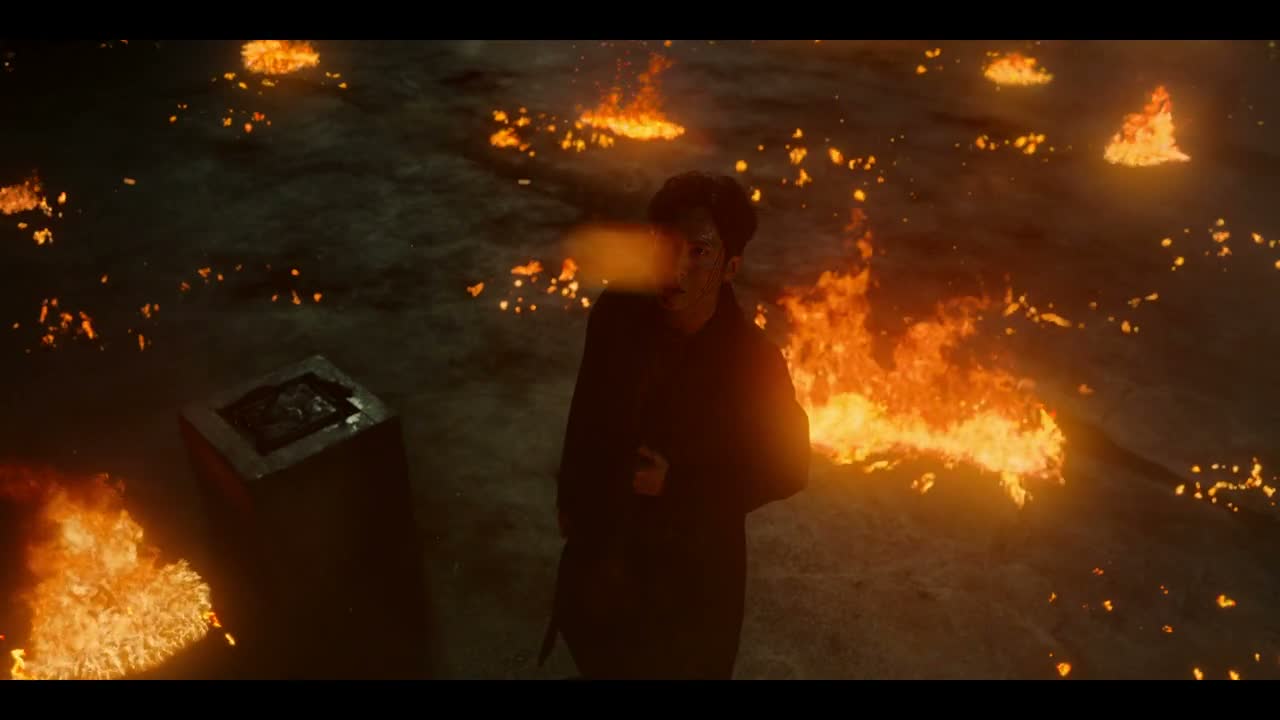
“I shall not forget you.”
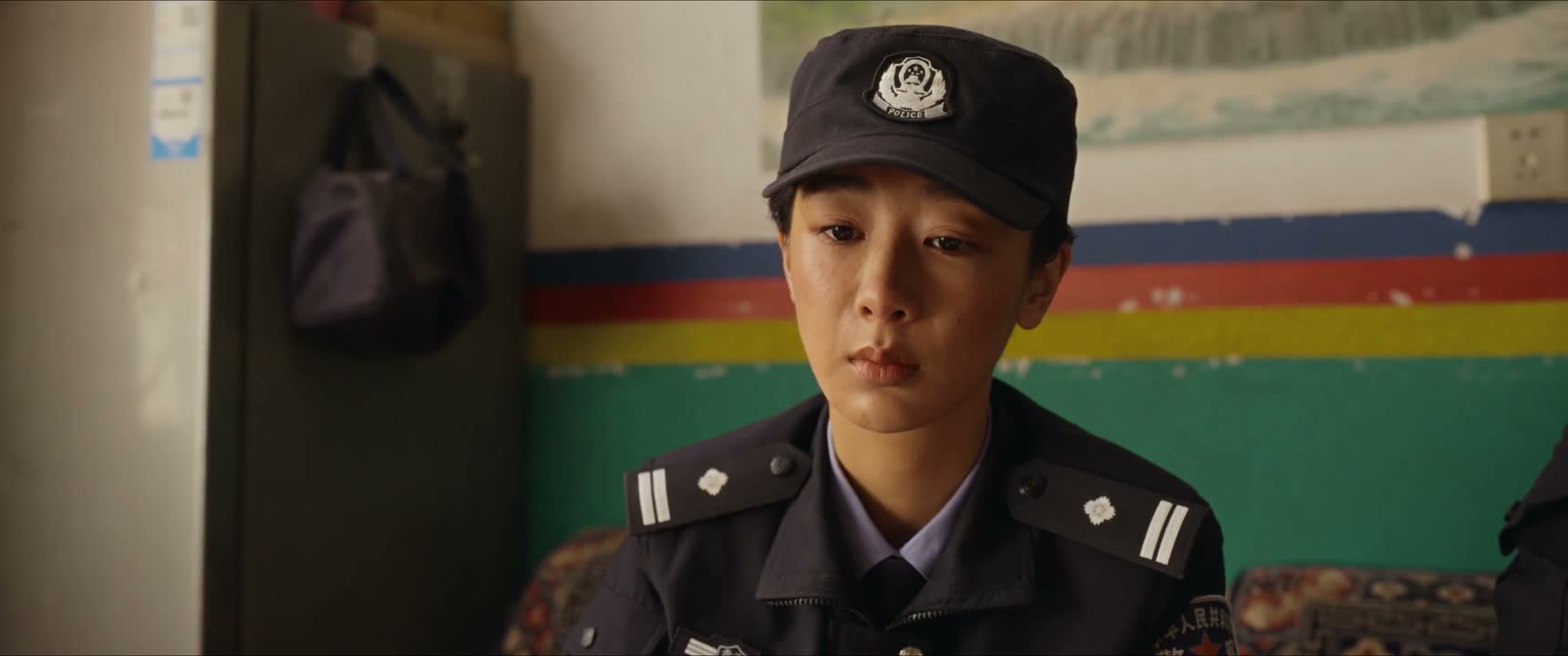
“I can't remember clearly. It's been too many years.”