她嫌人家是外市的 太远
“but she didn't like him because he was from another city,”
THE DIALOGUE REEL
“You had a boyfriend when you went out for work,”
她嫌 人家 是外市的 太远
“but she didn't like him because he was from another city,”
就在隔壁村 给你物色了六宝他爸
“so she asked you to marry Liubao's father in the village nearby.”
Direct spoken expression in this communicative setting.
Traditional Chinese parents, especially in rural areas, strongly discourage daughters from marrying someone from a distant city ('yuanjia') so that family support networks remain close.
LEARNING CHUNKS & PARTICLES
to dislike or complain about something because of a specific flaw
Used before a clause that states the perceived drawback or deficiency.
from out of town / from another city
Spoken abbreviation for someone whose household registration or hometown is in another municipality.
VOCABULARY & EXPRESSIONS
Parallel Spoken Cinema Scenes (语义近邻切片)

“This girl's husband went on a long journey.”

“She's afraid of being ostracized by Nan if she gets too close to us.”

“I was far away from you. Even if I told you, it'd only make you worried.”
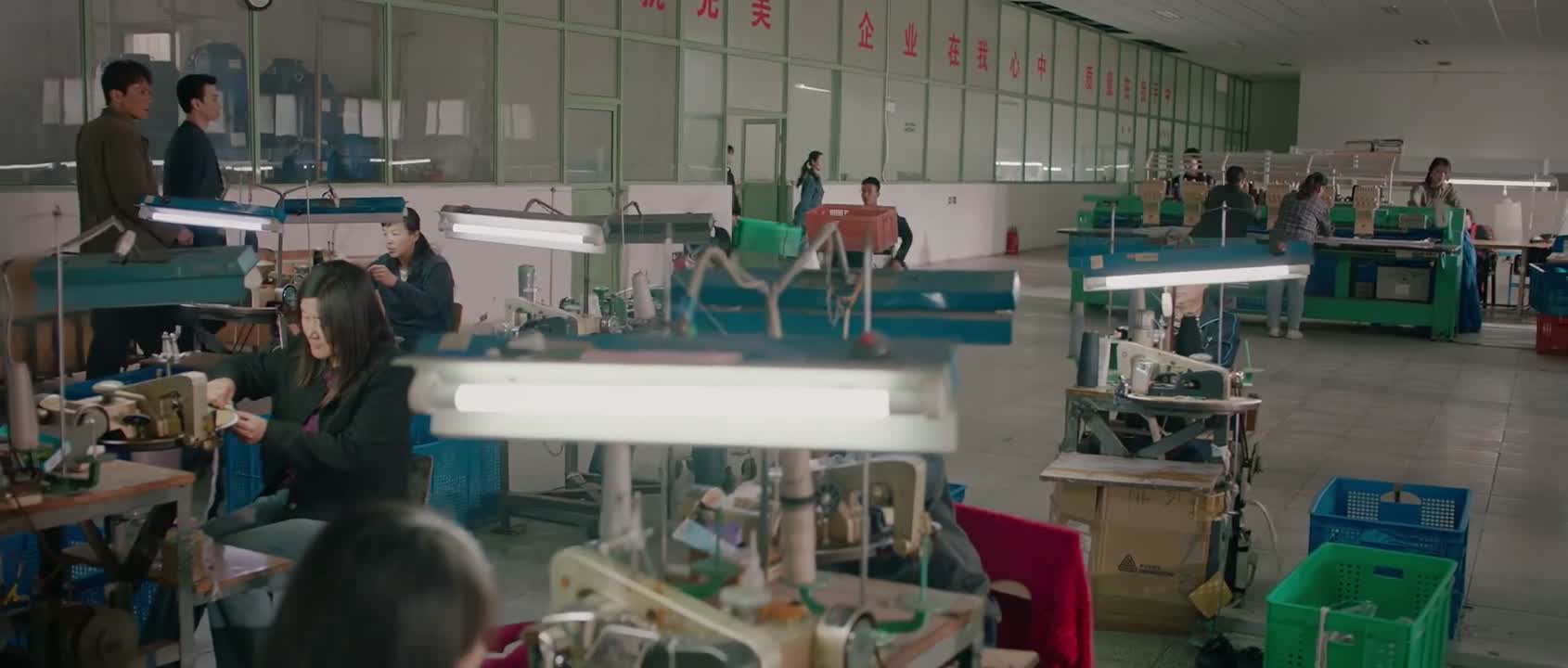
“This place is quite far from the city center.”
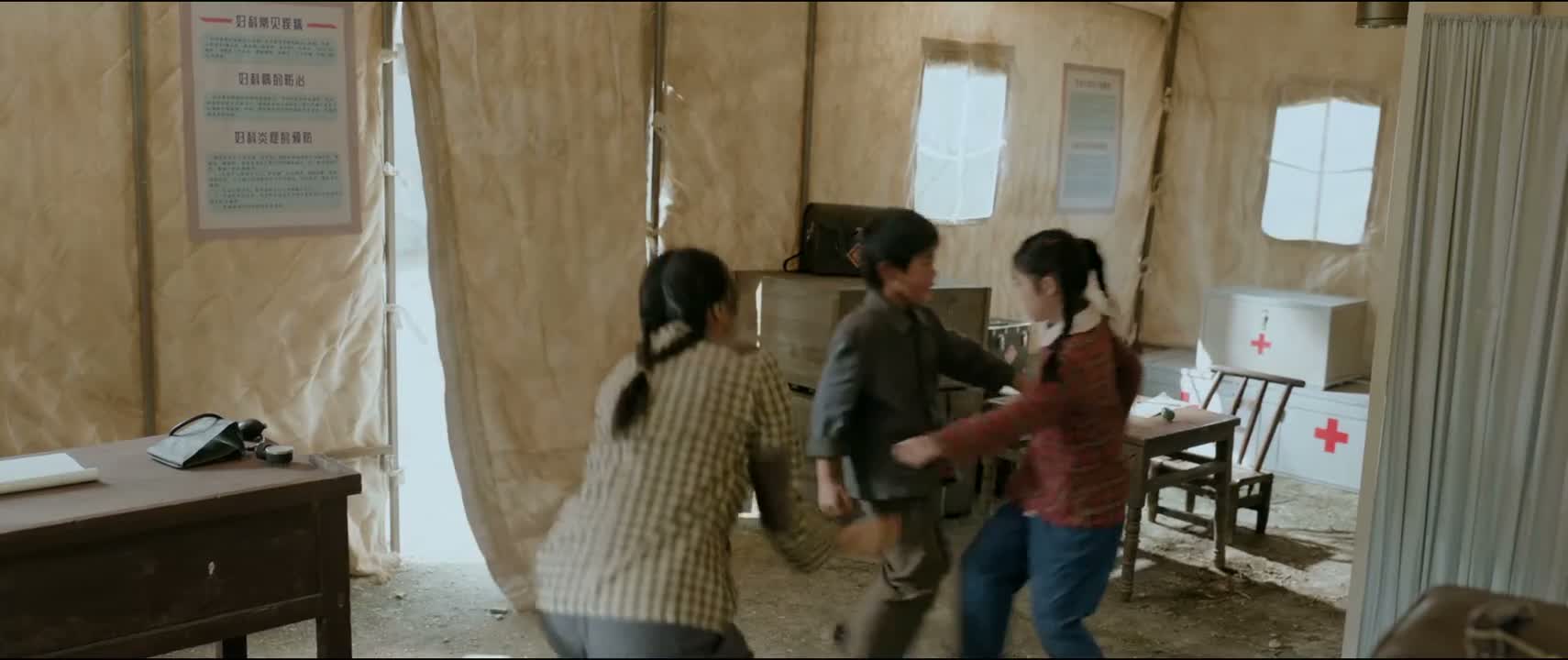
“Stay away from my mom! She's sick!”
“what case brought you guys all the way here?”