这么多门我们得找到什么时候去啊
“With so many doors, when are we supposed to find the right one?”
THE DIALOGUE REEL
咱们是不是就死定了
“and we're done for, aren't we?”
这么多 门我们 得 找 到什么时候去啊
“With so many doors, when are we supposed to find the right one?”
纸条
“The note.”
“There are too many doors; it is impossible to check them all in time!”
Rhetorical time questions starting with '得...到什么时候去' are a standard way in Mandarin to express perceived futility rather than requesting an actual timeline.
LEARNING CHUNKS & PARTICLES
until when / how long will this drag on
A rhetorical phrase indicating that a process is endless, tedious, or hopelessly prolonged.
have to / must
Pronounced 'děi' in spoken Chinese to denote strong practical necessity or obligation.
Conveys intense emotional exasperation and heightened urgency at the end of the rhetorical question.
VOCABULARY & EXPRESSIONS
Parallel Spoken Cinema Scenes (语义近邻切片)

“How long will it take us to go through them all?”

“To get us to Mhòr so we can talk to Ailsa Jennings about where her son might be.”

“When did Hong Kong, China people move north?”

“we should find a market like Dongmen.”

“we have to talk to them.”
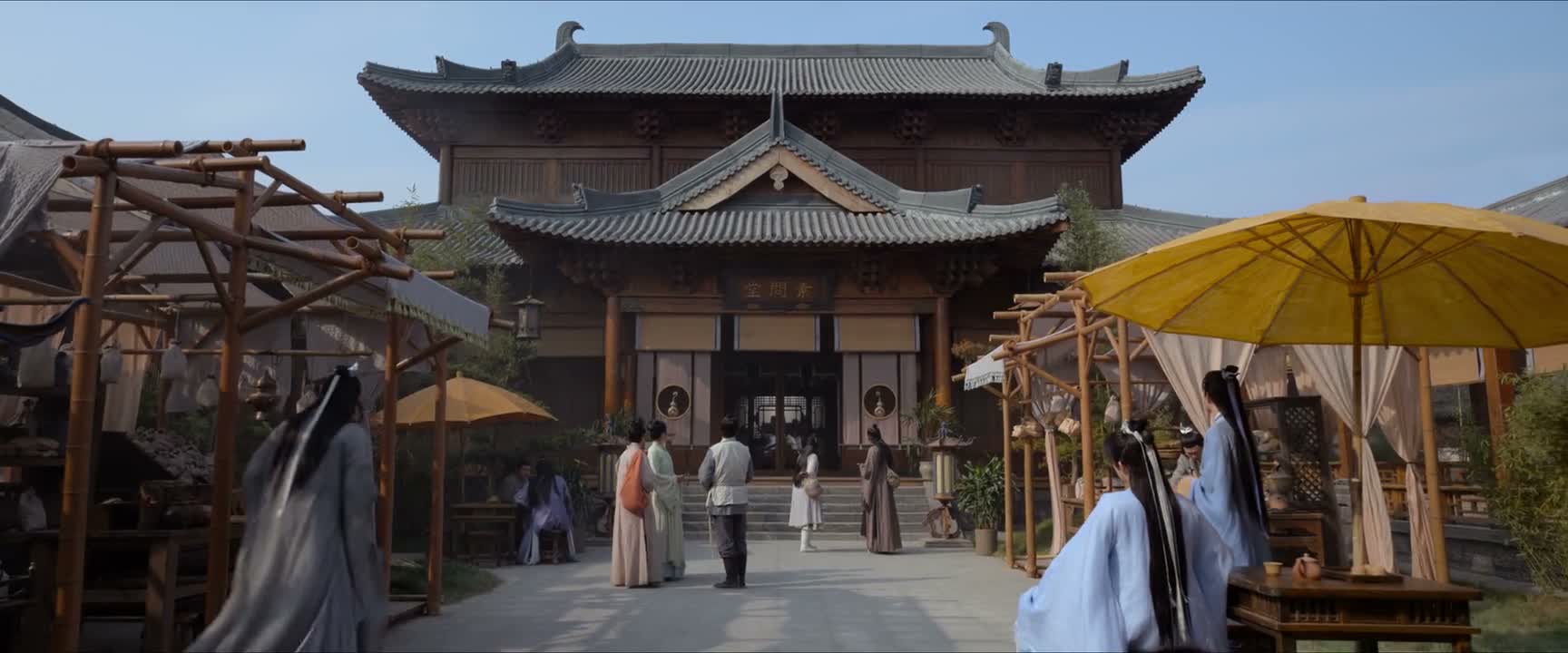
“When will we be allowed in?”