- 总有一天我会离开的 - 我也没法怪你
“[sighs] One of these days, I'm gonna leave. Can't say I blame you.”
THE DIALOGUE REEL
这也不难
“- Again, it wasn't hard. - [Colin sighs]”
- 总有一天 我 会 离开 的 - 我 也没法 怪你
“[sighs] One of these days, I'm gonna leave. Can't say I blame you.”
你可能已经注意到了 谈起林加德和詹宁斯
“You may have noticed that talk of the Lingards and the Jennings is”
“I know how bad things are here; you have every right to get out.”
Acknowledging that one 'cannot blame' another is an understated yet powerful way to express shared solidarity and acknowledge difficult shared circumstances.
LEARNING CHUNKS & PARTICLES
one day; sooner or later
Used to assert that a future event is inevitable even if the exact timing is unknown.
cannot blame you
Used to express deep empathy or validate someone's controversial or drastic decision.
Used at the end of the first clause to reinforce certainty and conviction about a future event.
VOCABULARY & EXPRESSIONS
Parallel Spoken Cinema Scenes (语义近邻切片)

“if one day I'm gone,”

“I would never leave you in this lifetime.”
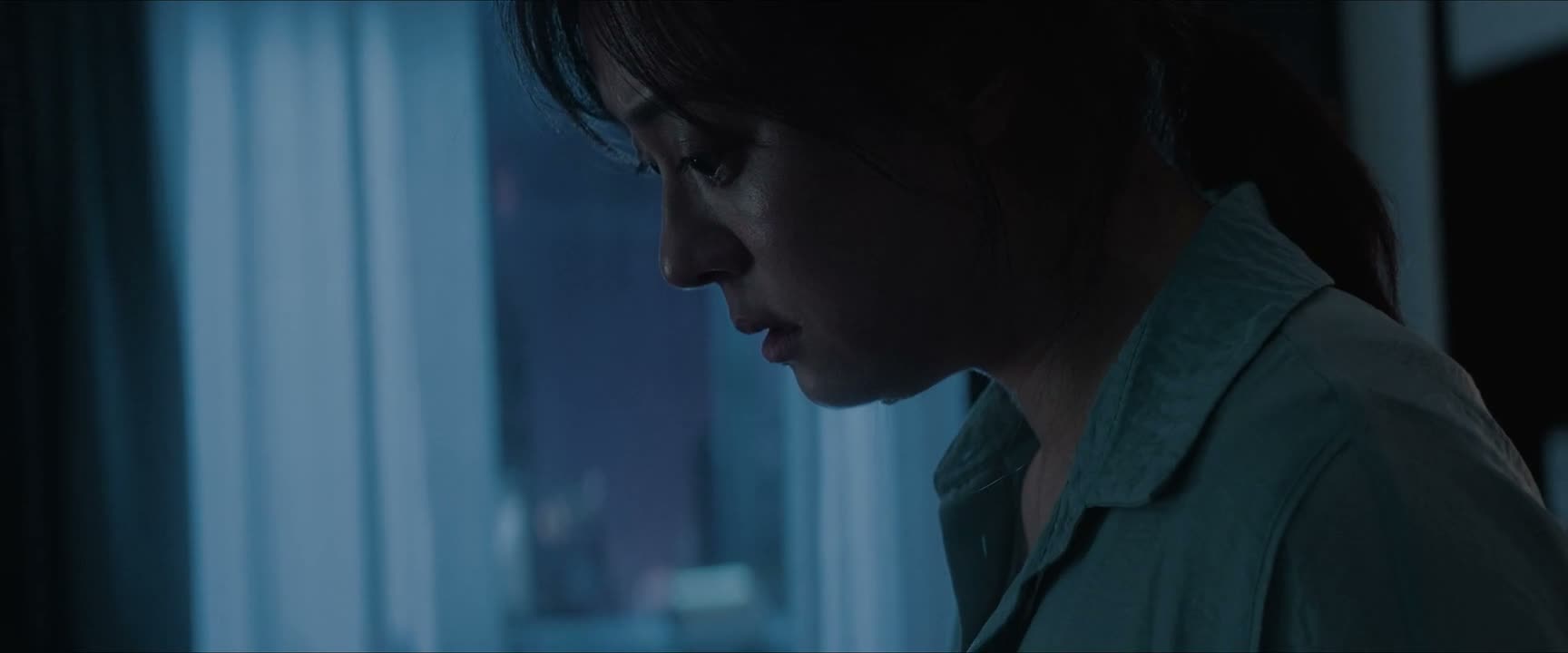
“Don't leave me.”
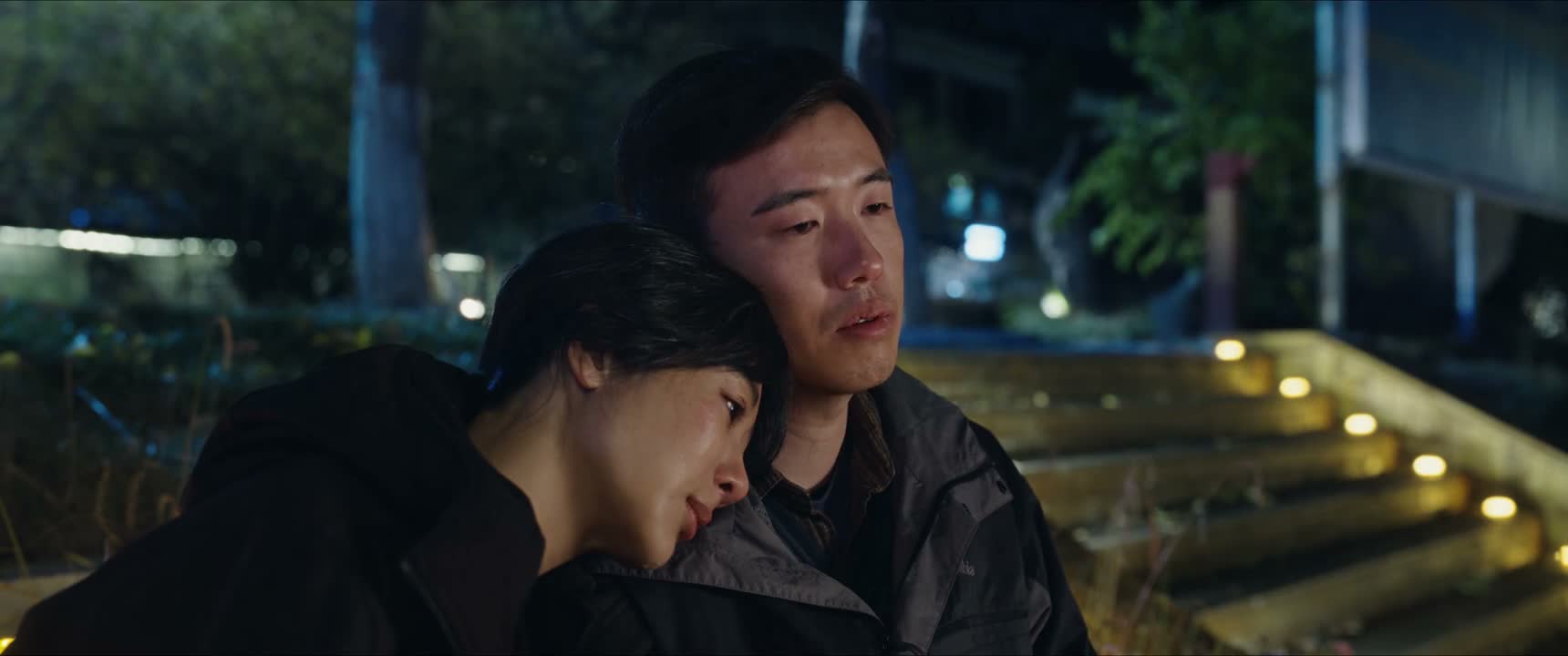
“I won't suddenly leave.”

“I will tell you one day.”

“repay you the money I owe you one day.”