只希望小太子别随了你的性子
“I only hope the young Crown Prince doesn't take after your temperament”
THE DIALOGUE REEL
多说无益
“[Be Remembered with Honor for All Ages] There is no point in saying more.”
只希望 小 太 子别 随了 你的 性子
“I only hope the young Crown Prince doesn't take after your temperament”
如此这般地执拗
“and grow so stubborn.”
“You are far too stubborn, and it will be a disaster if our child takes after you.”
Projecting parental worry onto a child's inherited traits is a traditional indirect way to criticize a partner's flaw without starting an outright fight.
LEARNING CHUNKS & PARTICLES
take after (in personality or appearance)
Commonly used in domestic contexts to describe a child inheriting traits from parents.
temperament or disposition
Refers to innate personality tendencies, often associated with stubbornness or impatience.
VOCABULARY & EXPRESSIONS
Parallel Spoken Cinema Scenes (语义近邻切片)

“Don't you want your little Crown Prince to live?”
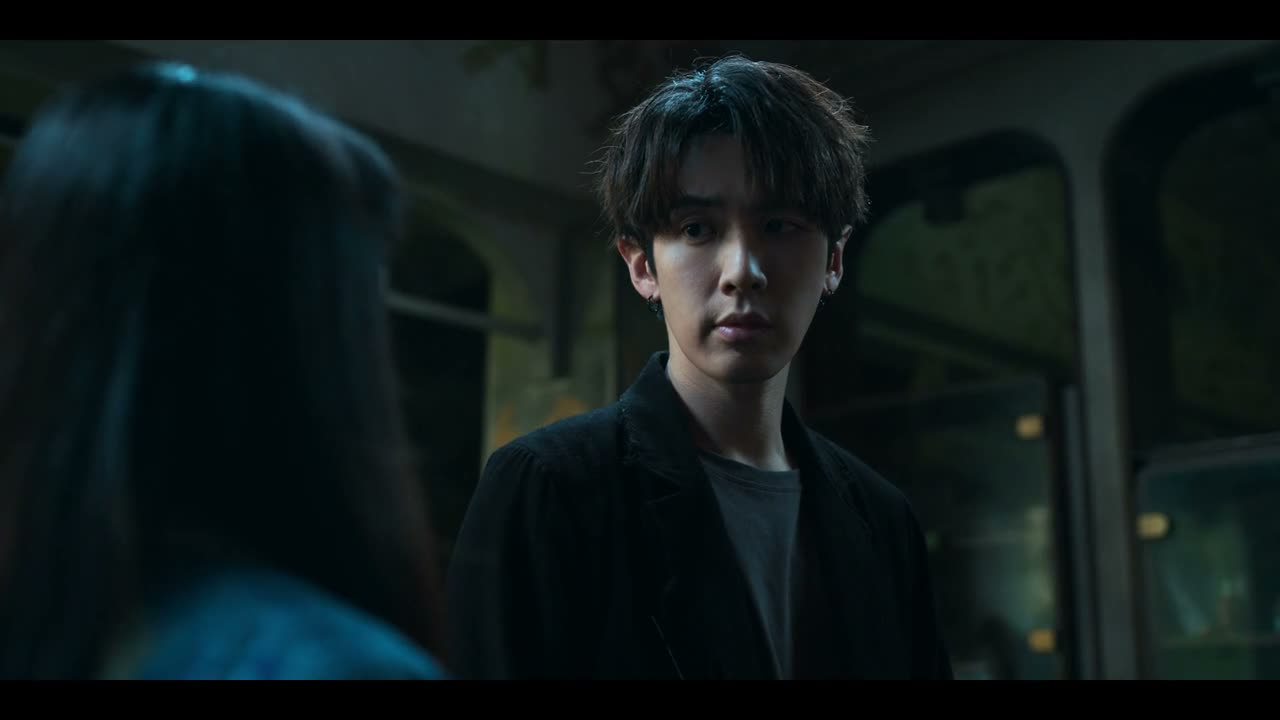
“then ask the Crown Prince for a wish.”

“You may entrust him to me.”

“there may well be more Crown Princes.”

“Treating the young prince matters most. Go back first.”

“How could I compare myself with Your Highness?”