MC
MandarinClips Cinema Corpus
《Born to Be Alive》 S1·E7 (36:55) HSK 2
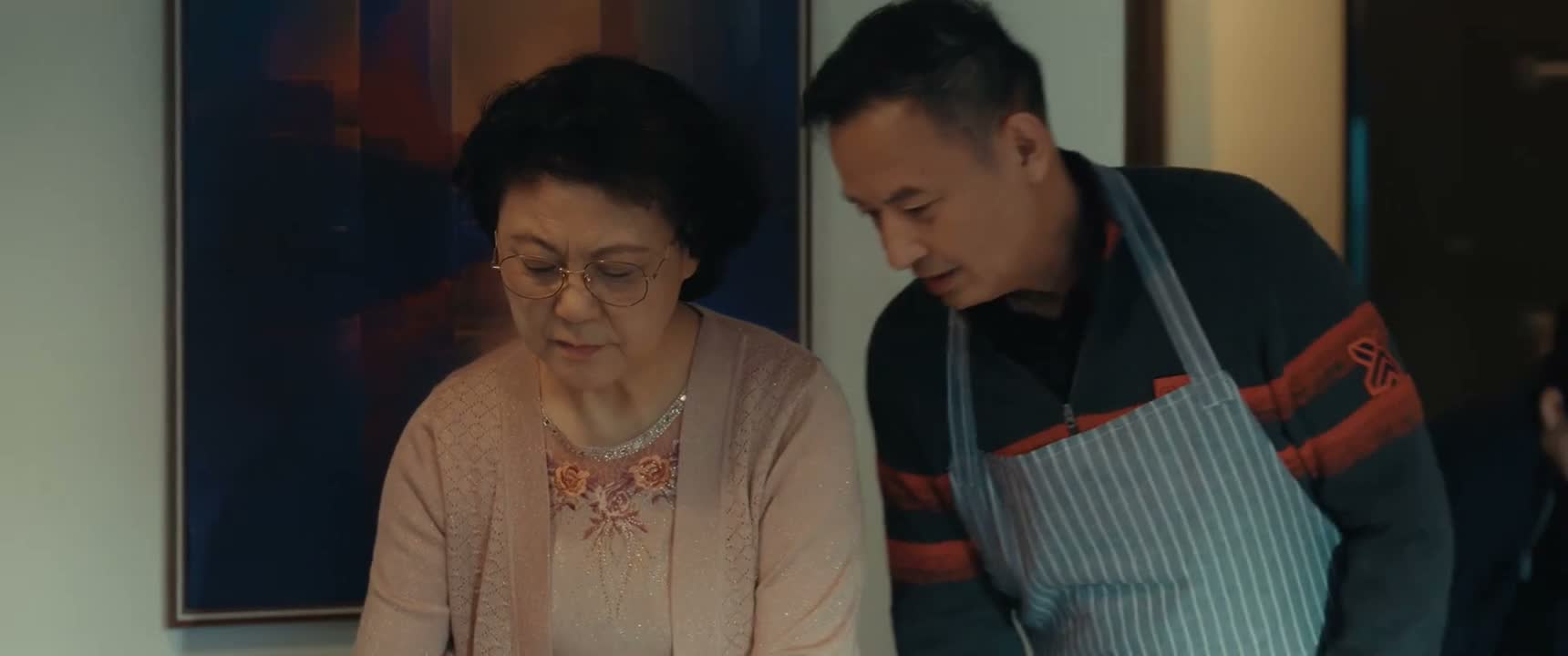
wǒ méi gēn tā men shuō zì jǐ jiā rén yǒu shén me bù néng shuō de

我没跟他们说 自己家人 有什么不能说的

“I didn't tell them. They're family. Why can't you tell them?”

《Born to Be Alive》 S1·E7
TIMECODE: 36:55 · 1080P MASTER AUDIO

THE DIALOGUE REEL

1+1+1 SPOKEN CONTINUITY
[-1] PREVIOUS TURN duō jié hé zhā xī kàn dào le dū huì yòng de

多杰和扎西看到了 都会用的

“and Duojie and Zhaxi see it, they'll use it too.”

wǒ méi gēn tā men shuō zì jǐ jiā rén yǒu shén me bù néng shuō de CURRENT FOCUS

我没跟他们说 自己 家人 有什么不能说的

“I didn't tell them. They're family. Why can't you tell them?”

[+1] FOLLOW-UP TURN shēn tǐ shàng de shì qíng méi shén me jiàn bù dé rén de gāi shuō jiù dé shuō hǎo

身体上的事情 没什么见不得人的 该说就得说 好

“It's a health issue. There's nothing to be ashamed of. You have to tell them. Okay.”

Subtitles synced to millisecond timecode Browse Show Clips →
Scene: Family & Home
Function: JUSTIFYING OPENNESS
Tone: FRANK AND REASSURING
Emotion: SINCERITY
WHAT THEY REALLY MEAN (PRAGMATIC SUBTEXT)

Direct spoken expression in this communicative setting.

💡 Cultural Insight: Zijiren (Insiders vs. Outsiders)

In Chinese interpersonal relations, defining someone as 'one's own' (自己人) removes the usual social boundaries and taboos that govern communication with outsiders.

INTENT TAGS: #reassurance #openness #bonding #encouragement
🧩

LEARNING CHUNKS & PARTICLES

2 CHUNKS · 0 PARTICLES
自己家人 SPOKEN CHUNK

one of our own / family members

Commonly invoked to dismiss formality, privacy barriers, or awkwardness between relatives or close friends.

有什么不能说的 SPOKEN CHUNK

what is there that cannot be said?

A rhetorical question used to encourage openness and eliminate hesitation.

🏮

VOCABULARY & EXPRESSIONS

3 EXPR · 1 GRAMMAR
CROSS-CINEMA CORPUS BOARD · PARALLEL SCENES

Parallel Spoken Cinema Scenes (语义近邻切片)

EXPLORE BY SEMANTIC SIMILARITY
《Born to Be Alive》 S1·E7 (36:55) · Authentic Cinema Dialogue Corpus