家父 命我来给你送灯油来了 多谢
“My father sent me to deliver some lamp oil to you. Thank you.”
THE DIALOGUE REEL
庞公子何事
“Young Master Pang, why are you here?”
家父 命 我来 给你 送灯油 来了 多谢
“My father sent me to deliver some lamp oil to you. Thank you.”
谁敢踢我 你竟敢对小碗儿动手动脚 你不想活了你
“Who dared to kick me? How dare you get handsy with Little Wan'er? Do you want to die?”
“I'm just using my father's errand as an excuse to come see you.”
In traditional Chinese culture, referring to one's own family members requires humble terms like 'jiafu' rather than ordinary familial terms.
LEARNING CHUNKS & PARTICLES
my father (humble polite form)
A traditional, humble self-referential term used to speak of one's own father respectfully to others.
ordered me to / instructed me to
Commonly used in formal or period contexts when an elder or superior assigns an errand.
Marks the arrival and completion of the stated errand, signaling readiness to engage further.
VOCABULARY & EXPRESSIONS
Parallel Spoken Cinema Scenes (语义近邻切片)
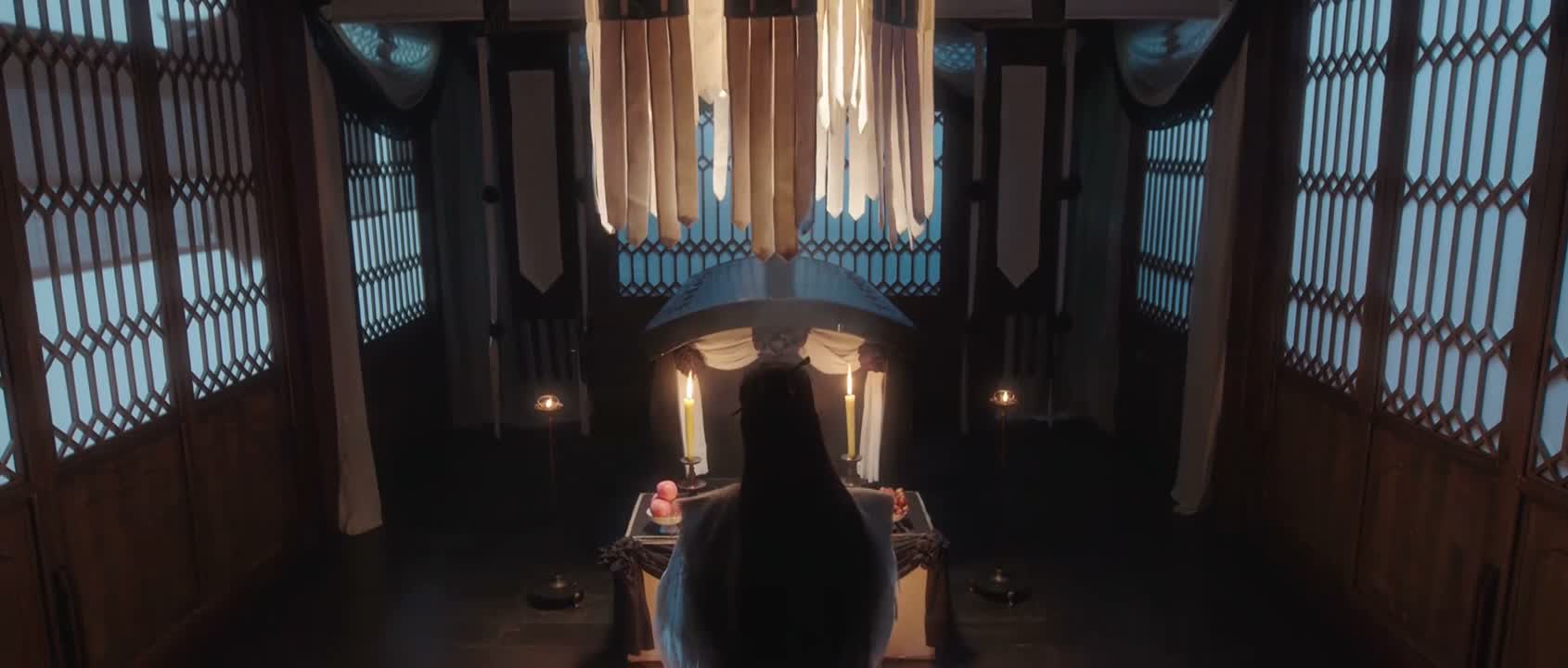
“my father reached the end of his life”

“I guess you have something important to say.”
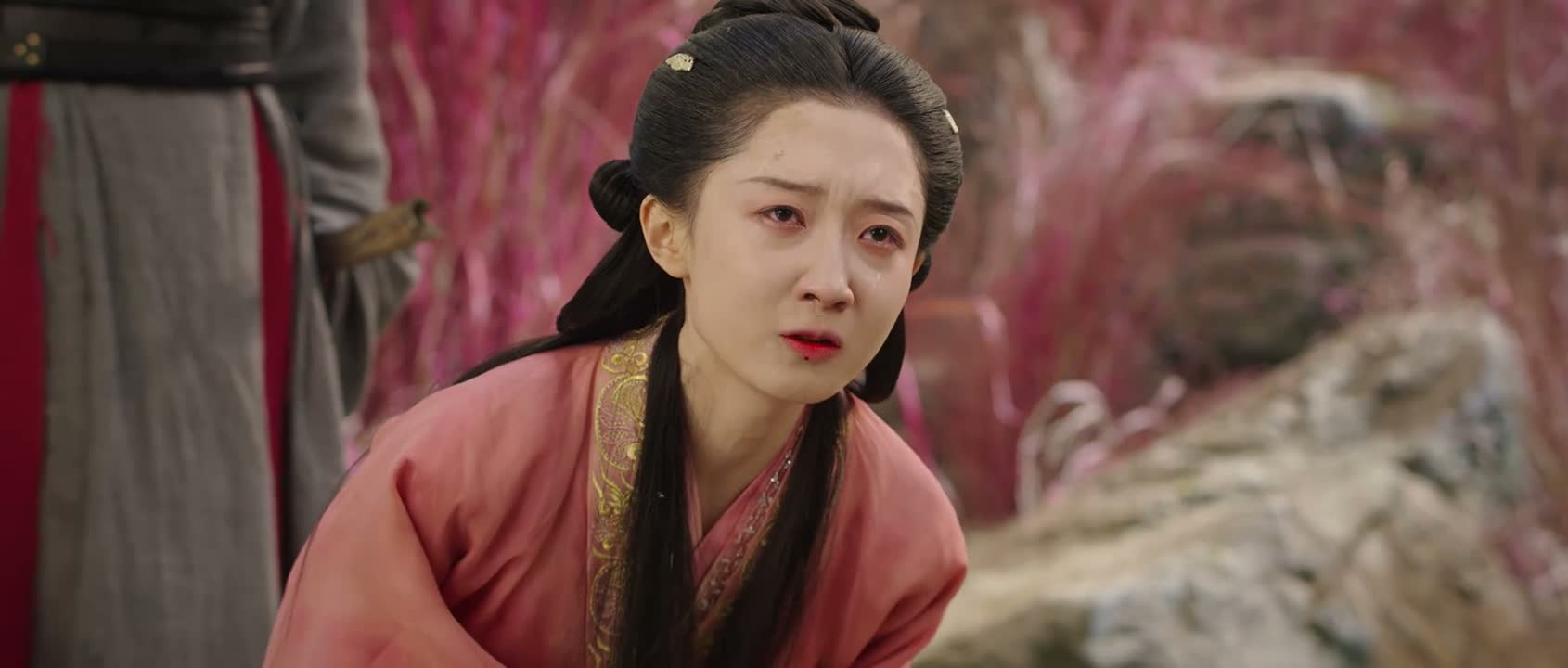
“My adoptive father showed me great kindness.”

“I've got plenty of fatherly love. You've got more than enough. Let's share some with him.”

“My father only gambles for fun.”

“My father, also acting to protect the country's foundation,”