MC
MandarinClips Cinema Corpus
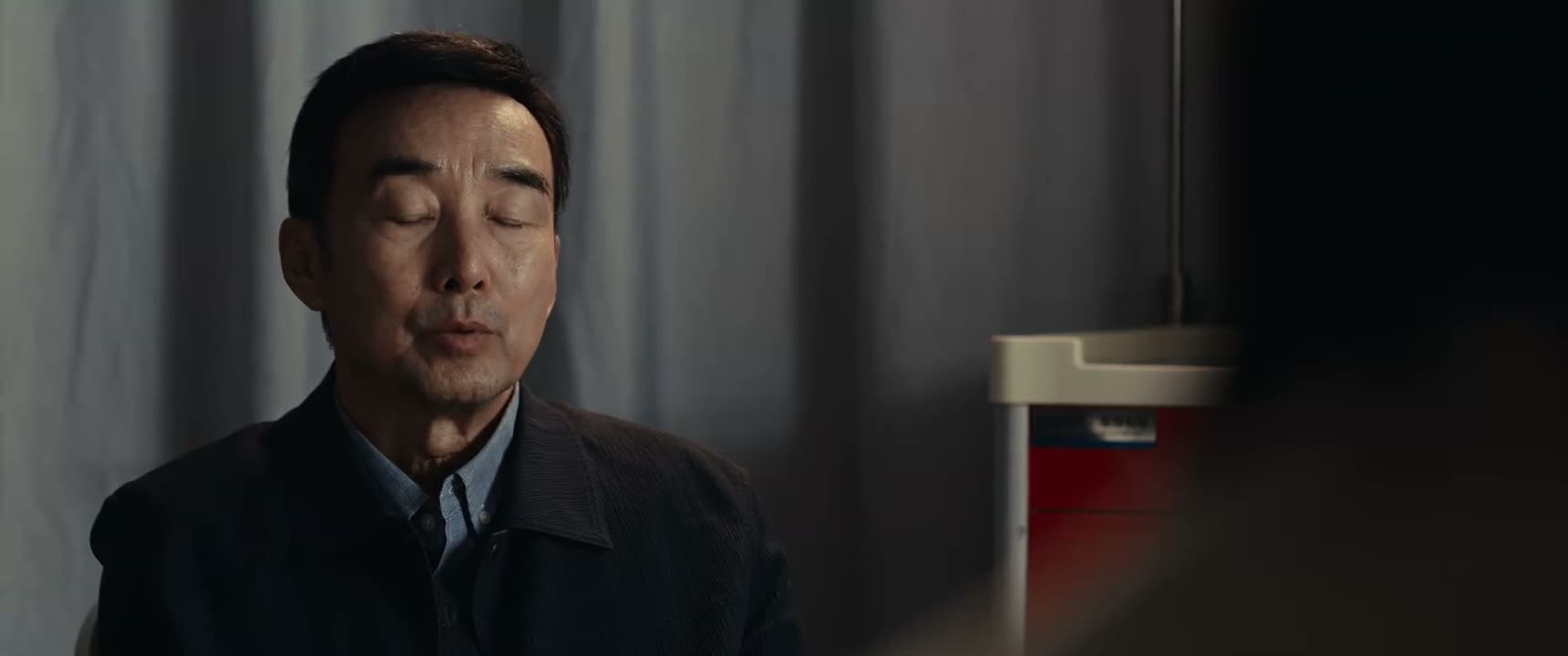
《Mama Go!》 S1·E20 (18:02) HSK 5
jiù bù yòng chéng shòu lí kāi qīn rén de tòng kǔ le

就不用承受离开亲人的痛苦了

“I won't have to endure the pain of losing a loved one.”

《Mama Go!》 S1·E20
TIMECODE: 18:02 · 1080P MASTER AUDIO

THE DIALOGUE REEL

1+1+1 SPOKEN CONTINUITY
[-1] PREVIOUS TURN rú guǒ wǒ shì xiān lí kāi de nà ge rén

如果我是先离开的那个人

“If I'm the one who leaves first,”

jiù bù yòng chéng shòu lí kāi qīn rén de tòng kǔ le CURRENT FOCUS

就不用 承受 离开 亲人的痛 苦了

“I won't have to endure the pain of losing a loved one.”

[+1] FOLLOW-UP TURN dàn wǒ méi yǒu yì shí dào

但我没有意识到

“But I didn't realize”

Subtitles synced to millisecond timecode Browse Show Clips →
Scene: Daily Life
Function: EXPRESSING REGRET
Tone: REFLECTIVE
Emotion: SADNESS
WHAT THEY REALLY MEAN (PRAGMATIC SUBTEXT)
“I used to think leaving first was easier, but I was just running away from the pain of mourning.”
💡 Cultural Insight: Euphemisms for Death and Filial Bereavement

In Chinese culture, directly mentioning death (死) is often avoided among loved ones in favor of gentle terms like 'leaving' (离开) to soften the psychological impact.

INTENT TAGS: #reflection #bereavement #vulnerability #confession
🧩

LEARNING CHUNKS & PARTICLES

2 CHUNKS · 1 PARTICLES
承受……的痛苦 SPOKEN CHUNK

to endure the pain of...

A common collocation used when describing undergoing profound emotional or physical suffering.

离开亲人 SPOKEN CHUNK

departing from loved ones / parting with family

A gentle euphemism frequently used in spoken Chinese to refer to death or permanent separation.

Modal Particle「了」 (le) CHANGE OF STATE

Marks a change of state resulting from a hypothetical condition, adding a sense of finality to the realization.
🏮

VOCABULARY & EXPRESSIONS

3 EXPR · 7 GRAMMAR
CROSS-CINEMA CORPUS BOARD · PARALLEL SCENES

Parallel Spoken Cinema Scenes (语义近邻切片)

EXPLORE BY SEMANTIC SIMILARITY
《Mama Go!》 S1·E20 (18:02) · Authentic Cinema Dialogue Corpus