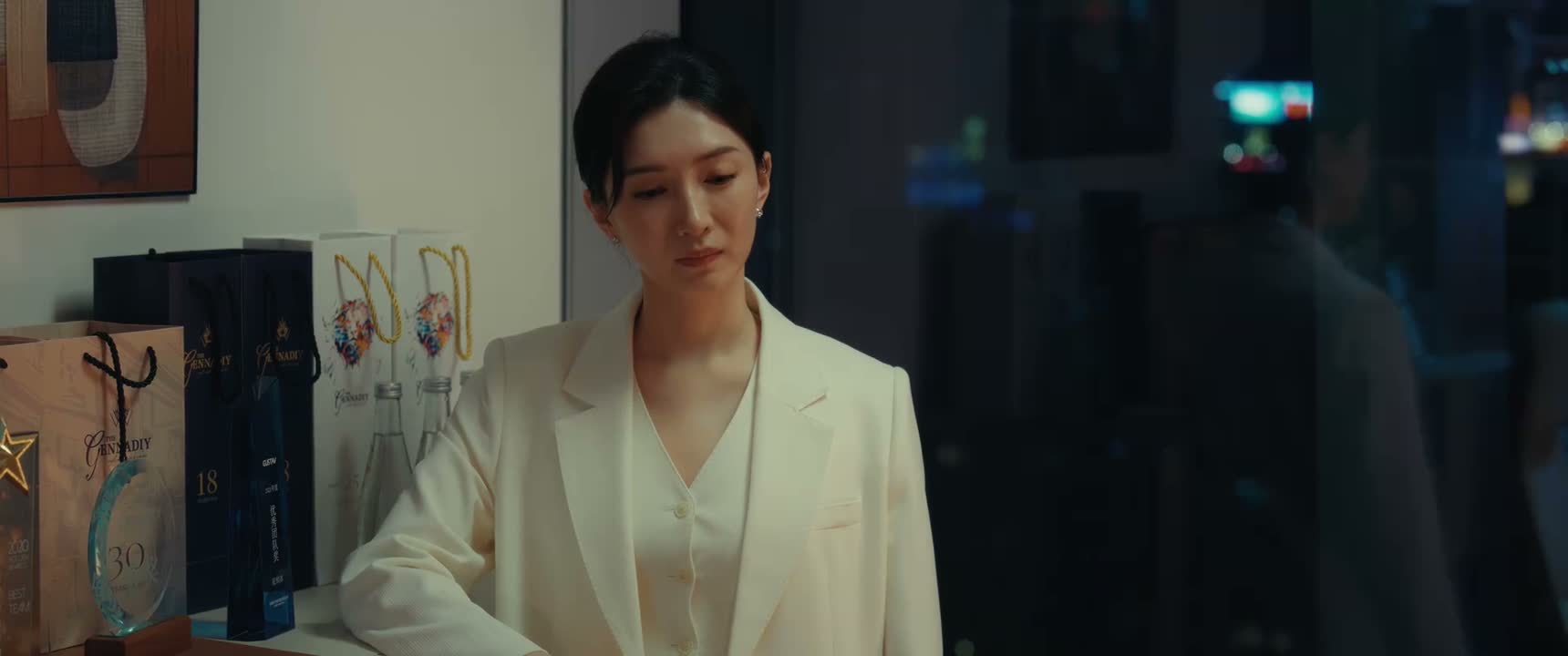
咱不能一错再错了好吗
“We can't keep making mistakes, okay?”
THE DIALOGUE REEL
那你做这件事不也是错的吗
“isn't what you're doing now also wrong?”
咱 不能 一错再错 了 好吗
“We can't keep making mistakes, okay?”
咱也下不去手对吧
“We can't bring ourselves to do it, right?”
“Stop this now before we cross a line we can never come back from.”
Using the inclusive first-person pronoun '咱' creates solidarity and softens confrontation, framing the crisis as a shared dilemma rather than pure blame.
LEARNING CHUNKS & PARTICLES
repeat mistakes / persist in errors
A set idiomatic phrase describing compounding bad choices upon previous ones.
okay? / all right?
Used at the end of a request to soften the directive and solicit compliance gently.
Denotes an escalation or ongoing continuation of a bad state that needs to stop.
Forms a tag question asking for the interlocutor's agreement.
VOCABULARY & EXPRESSIONS
Parallel Spoken Cinema Scenes (语义近邻切片)

“Don't repeat the same mistake!”

“I was wrong. It won't happen again.”

“I was wrong. Alright?”

“What's terrible is repeating it.”
“I will correct every mistake I made.”

“so she could only make one mistake after another.”