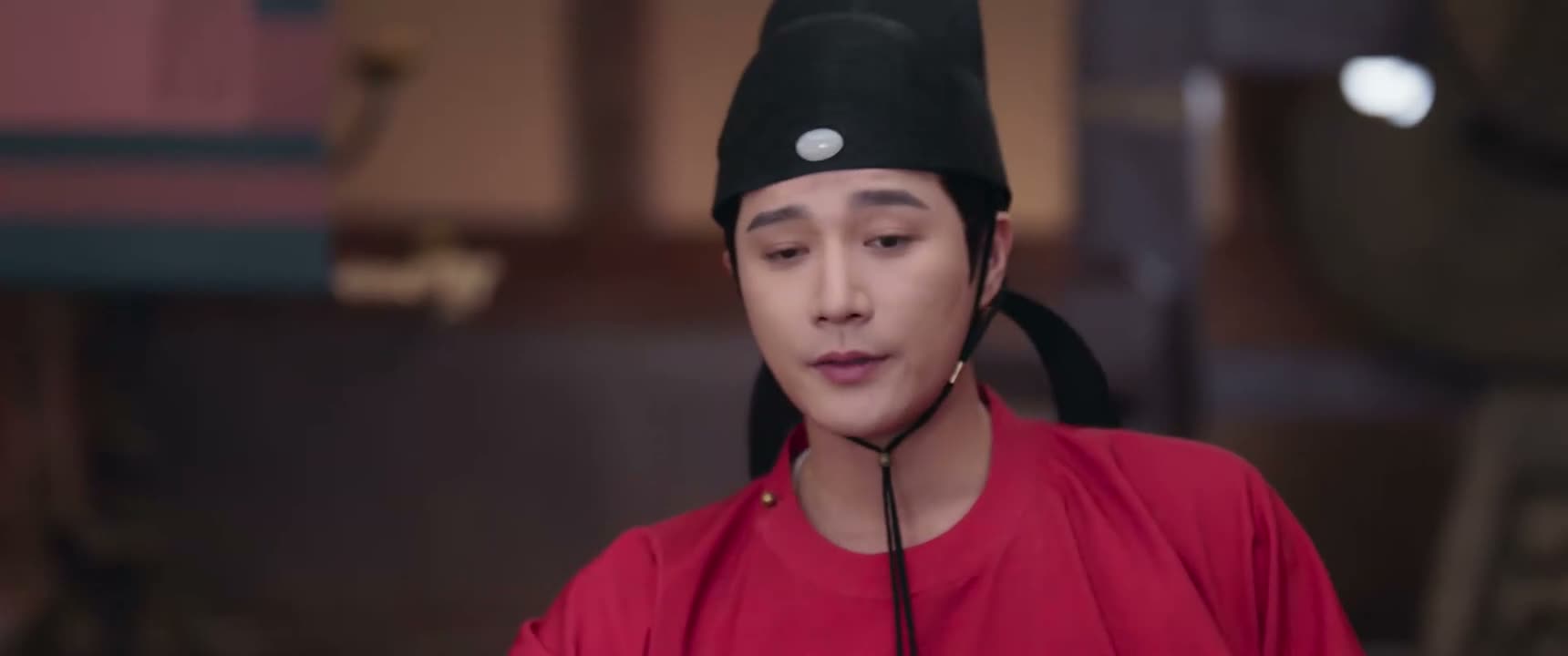
参见太子殿下 事态危急 只能委屈殿下了
“Greetings, Your Highness. The situation is critical. I'm afraid you'll have to put up with this.”
THE DIALOGUE REEL
走吧
“Go.”
参见 太 子殿下 事态危急 只能 委屈 殿下 了
“Greetings, Your Highness. The situation is critical. I'm afraid you'll have to put up with this.”
如何
“How did it go?”
“There is no time for royal protocol; bear with this rough treatment so we can survive.”
Chinese politeness requires acknowledging when someone of high status is subjected to sub-par, degrading, or rough conditions, even in mortal emergencies.
LEARNING CHUNKS & PARTICLES
the situation is critical/urgent
A formal idiom used to justify rapid, unconventional, or desperate measures during emergencies.
to subject someone to undignified or uncomfortable conditions
Commonly used as a polite apology when hospitality, lodging, or transport fall short of the guest's status.
Conveys the unavoidable conclusion and sets an immediate requirement for action.
VOCABULARY & EXPRESSIONS
Parallel Spoken Cinema Scenes (语义近邻切片)

“Your Highness, there's news of Her Highness.”

“So, I won't have you lift a finger.”

“Your only task today is to protect the Crown Prince.”

“forcing him to turn against his own brother, the Crown Prince?”

“Your Highness, you trust me too much.”

“why are you suddenly returning to the palace?”

“Please save our Crown Prince.”

“and save Crown Prince Chengde.”

“Tomorrow, we'll use the Third Prince to remove the Crown Prince.”

“How could I compare myself with Your Highness?”
“I'm sure Second Prince”

“you're the Crown Prince. How could you be wrong?”

“His Highness treats you so well.”

“Your Highness, just do it.”

“This lord is such a good man of integrity.”