作孽的 有些原则必须坚守
“it'll be your fault. You have to stick to your principles.”
THE DIALOGUE REEL
你跟她说这个 要是最后没成
“You gave her the advice. But if it doesn't work out,”
作孽 的 有些原则 必须 坚守
“it'll be your fault. You have to stick to your principles.”
对心爱的人坦诚相待 不管怎么样
“Just be honest with the man you love. No matter what,”
Direct spoken expression in this communicative setting.
The term '作孽' draws from Buddhist concepts of karma, implying that dishonesty or wrongdoing inherently curses one's conscience or future fate.
LEARNING CHUNKS & PARTICLES
sinful; doing something that brings bad karma
Used colloquially in Southern and standard Chinese to describe actions that violate conscience or invite misfortune.
to stand by one's principles
A formal collocation widely used in both formal speeches and serious interpersonal moral debates.
VOCABULARY & EXPRESSIONS
Parallel Spoken Cinema Scenes (语义近邻切片)

“Fearless when sinning.”
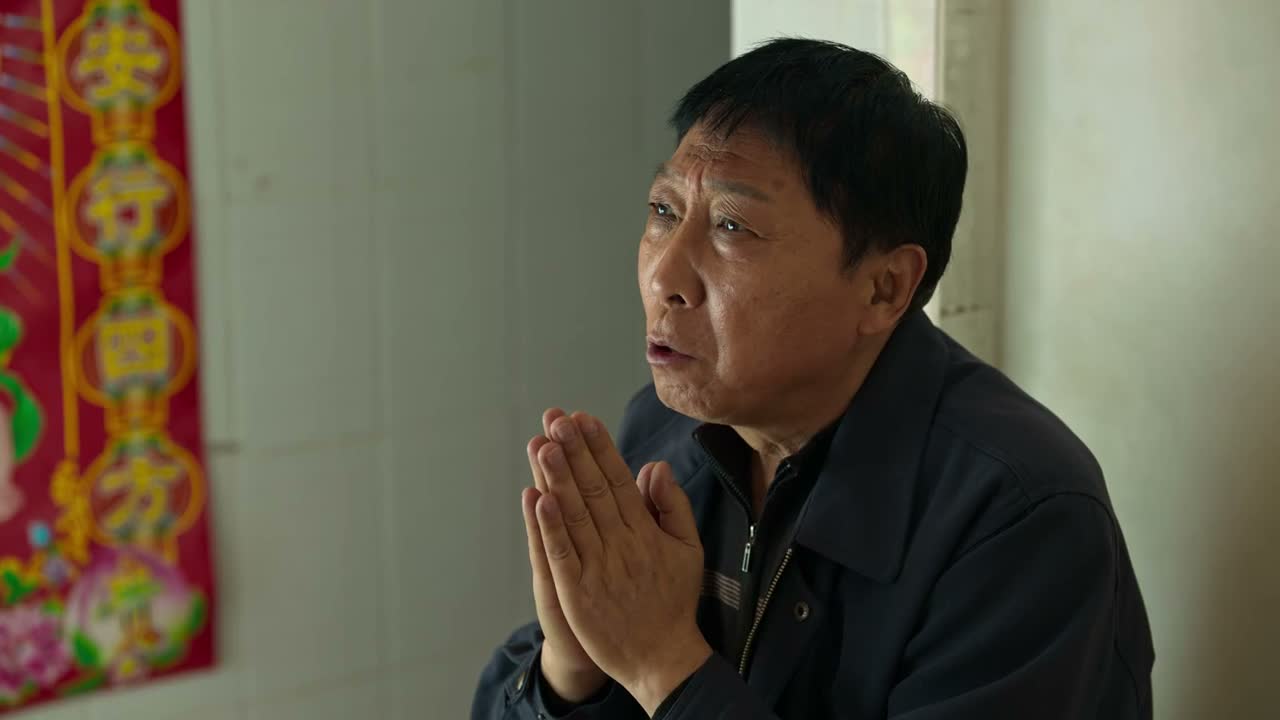
“But please don't let”

“He brought this upon himself.”

“What a terrible accident.”

“He made his own mess. Let him deal with it.”

“It's all my own doing.”