MC
MandarinClips Cinema Corpus
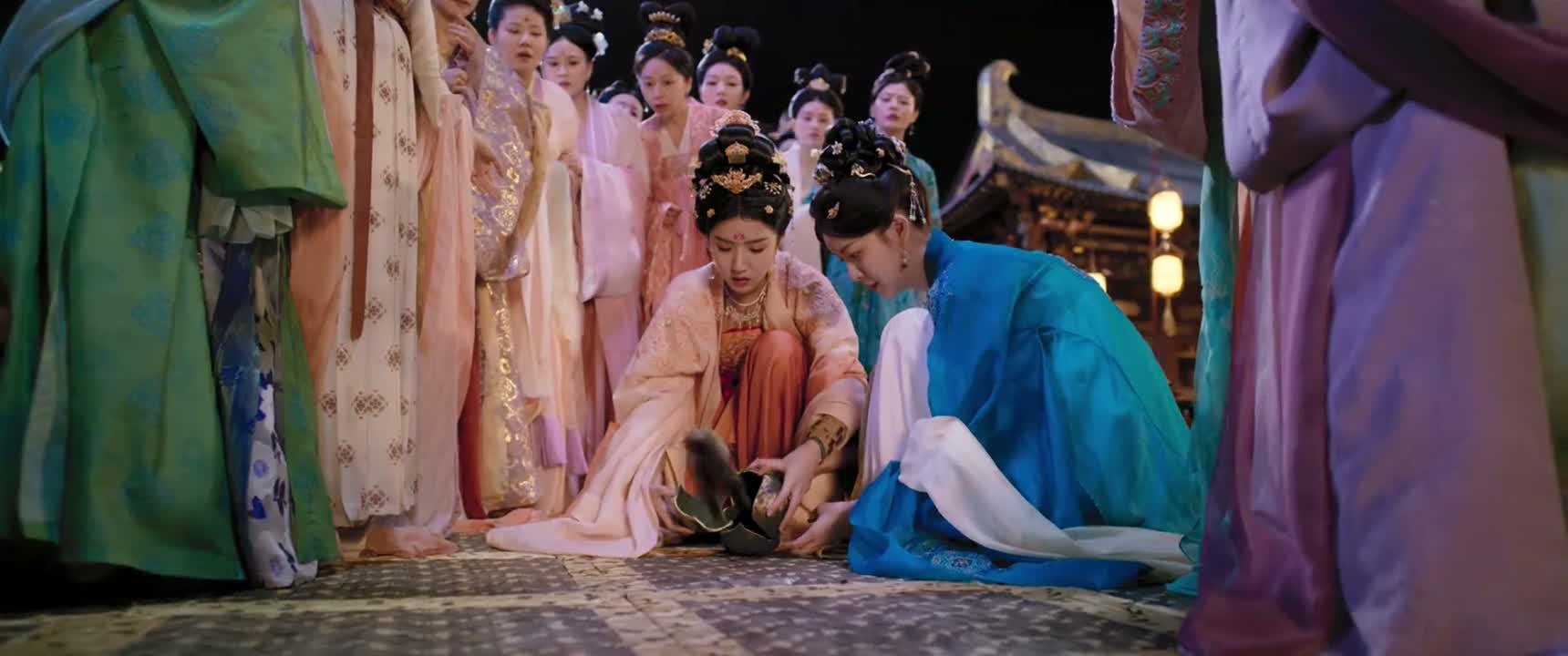
《The Truth》 S1·E30 (08:30) HSK 7
bù yǔ yǐ chéng fá shì bú shì tài duì bù qǐ sǐ le de rén le

不予以惩罚 是不是太对不起死了的人了

“wouldn't it be too unfair to the deceased not to punish her?”

《The Truth》 S1·E30
TIMECODE: 08:30 · 1080P MASTER AUDIO

THE DIALOGUE REEL

1+1+1 SPOKEN CONTINUITY
[-1] PREVIOUS TURN nǐ men shuō

你们说

“tell me,”

bù yǔ yǐ chéng fá shì bú shì tài duì bù qǐ sǐ le de rén le CURRENT FOCUS

不予以 惩罚 是不是 太对不起 死了 的人 了

“wouldn't it be too unfair to the deceased not to punish her?”

[+1] FOLLOW-UP TURN jiāng yuè

江越

“Jiang Yue,”

Subtitles synced to millisecond timecode Browse Show Clips →
Scene: Crisis & Conflict
Function: MORAL JUSTIFICATION
Tone: RESOLUTE AND CHILLING
Emotion: ANGER
WHAT THEY REALLY MEAN (PRAGMATIC SUBTEXT)
“They must pay for what they did; letting them off is not an option.”
💡 Cultural Insight: Restitution for the Dead

In Chinese culture, bringing wrongdoers to justice is considered an essential moral debt owed to the deceased to give them peace.

INTENT TAGS: #justification #retribution #moral_pressure #challenging
🧩

LEARNING CHUNKS & PARTICLES

2 CHUNKS · 1 PARTICLES
予以 SPOKEN CHUNK

to give; to grant (formal)

A formal two-syllable verb typically paired with abstract nouns like punishment, support, or consideration.

对不起 SPOKEN CHUNK

to let down; to be unfair to someone

Beyond saying 'sorry', it frequently means failing someone or violating moral obligations owed to them.

Modal Particle「了」 (le) CHANGE OF STATE

Functions as a sentence-final particle indicating an existing state or rhetorical emphasis on an unacceptable outcome.
🏮

VOCABULARY & EXPRESSIONS

4 EXPR · 3 GRAMMAR
CROSS-CINEMA CORPUS BOARD · PARALLEL SCENES

Parallel Spoken Cinema Scenes (语义近邻切片)

EXPLORE BY SEMANTIC SIMILARITY
《The Truth》 S1·E30 (08:30) · Authentic Cinema Dialogue Corpus