但公子您不是总说 那楚朝和您很像吗?
“Don't you always say Chu Zhao is just like you?”
THE DIALOGUE REEL
我怎知她怎么想?
“How do I know what she thinks?”
但公子您 不是总说 那楚朝和您 很像 吗 ?
“Don't you always say Chu Zhao is just like you?”
“How do you not know what she thinks?”
“You are just denying it, but you actually understand her better than anyone.”
Subordinates in traditional settings use polite rhetorical framing (您不是...吗) to gently probe a master's inner feelings without overtly defying hierarchy.
LEARNING CHUNKS & PARTICLES
didn't [you] always say
Used to confront or remind someone of their habitual statements when they suddenly claim the opposite.
very similar / much alike
Commonly used to describe similarities in appearance, personality, or temperament.
Marks a rhetorical question to prompt the interlocutor to reflect on their own inconsistency.
VOCABULARY & EXPRESSIONS
Parallel Spoken Cinema Scenes (语义近邻切片)

“Had she not interfered, we'd never have endured such indignity.”

“Young Master Qin, you're right.”
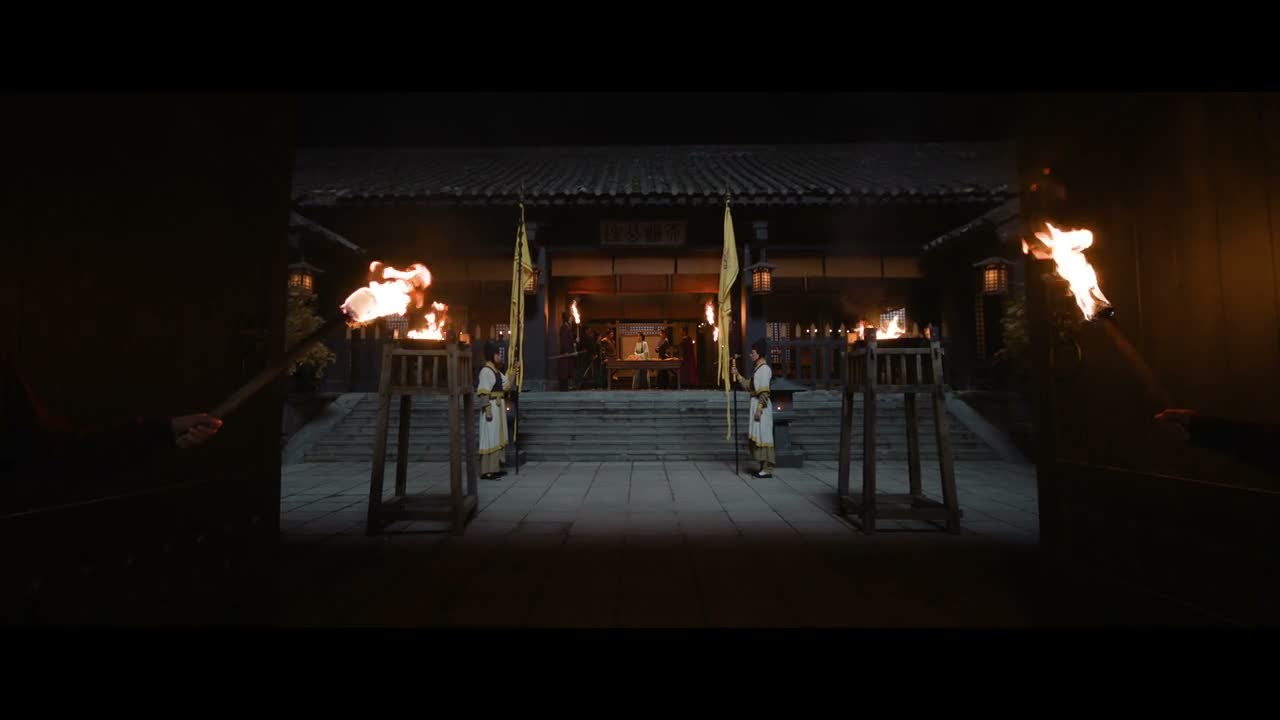
“I am truly in your debt.”

“- Chu Zhao. - Zhao, don't listen to him.”

“Chu Zhao isn't stupid enough to wait there to die.”
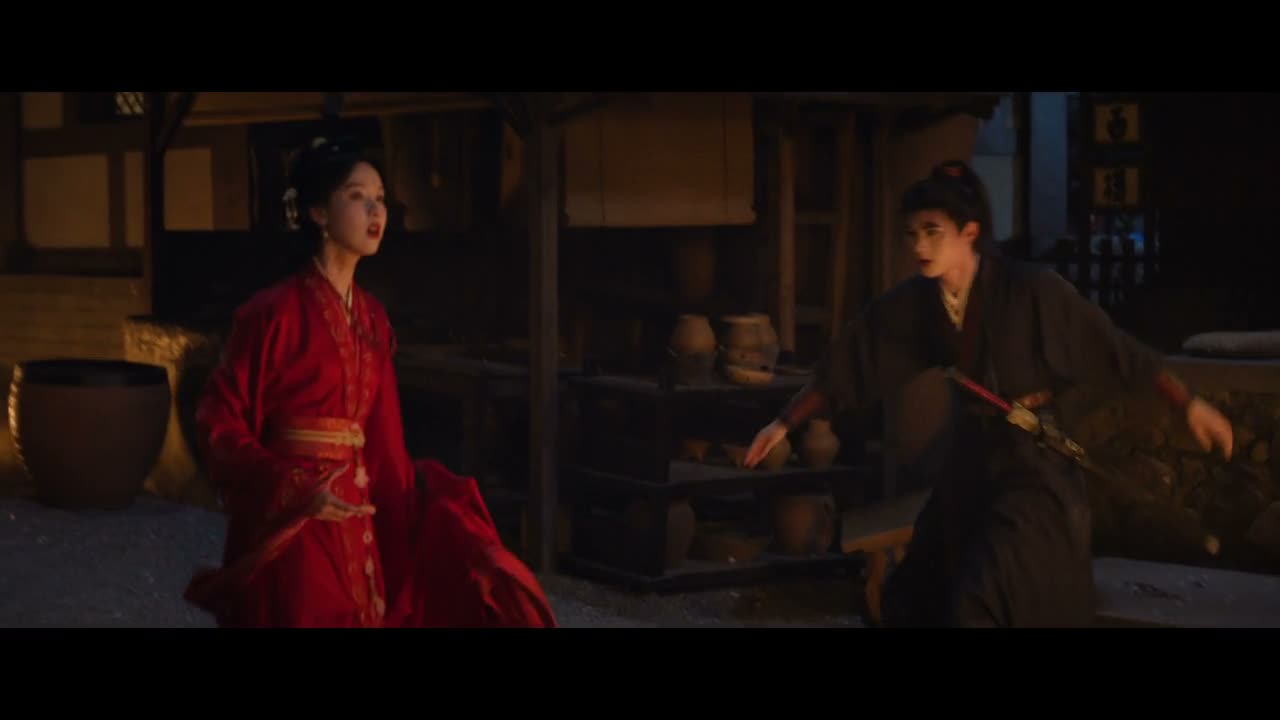
“Chu Zhao, have you lost your mind?”